
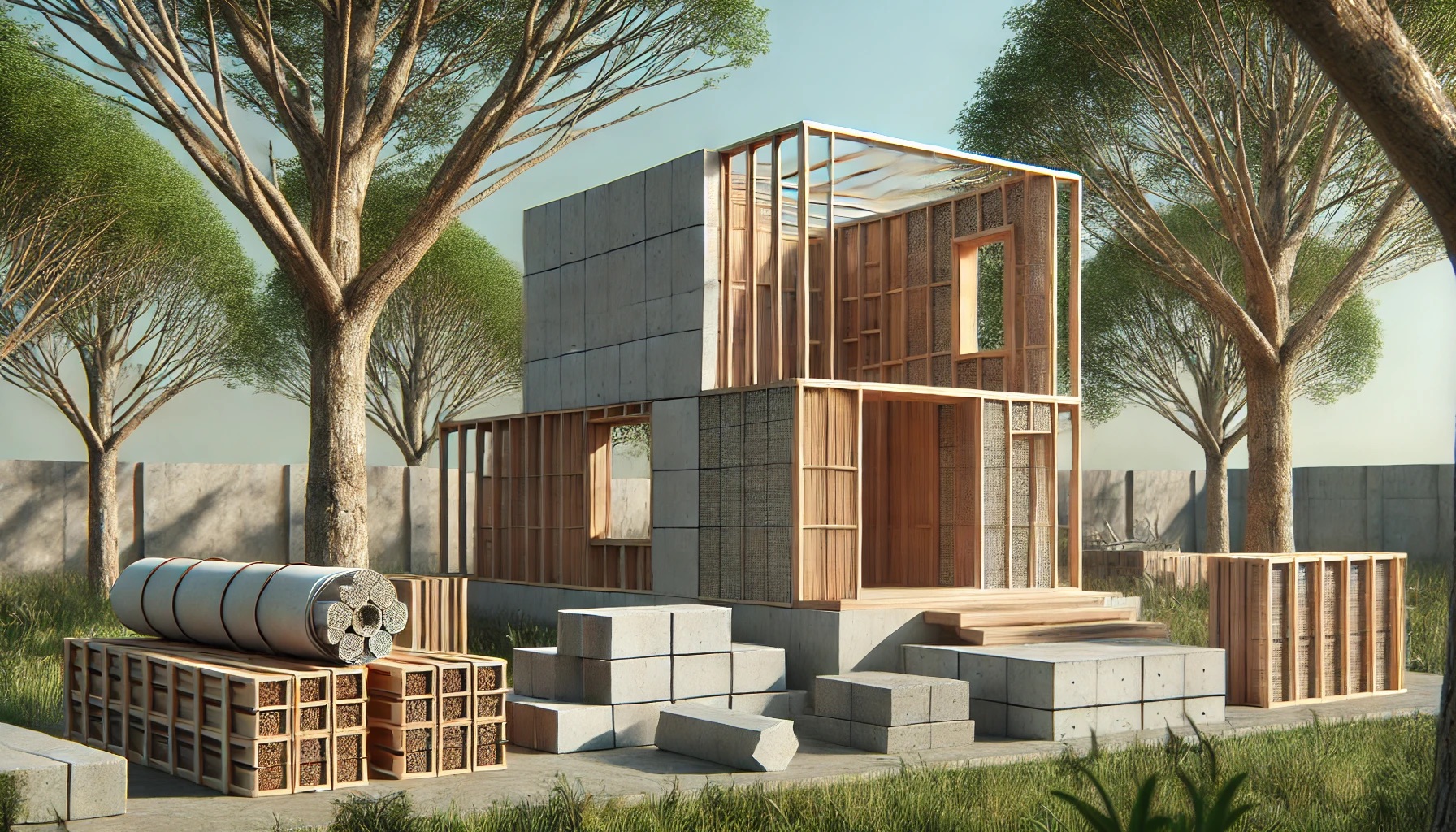
Heriot-Watt University is set to host a key event on March 19, 2025, bringing together experts from academia and industry to explore the role of biocharBiochar is a carbon-rich material created from biomass decomposition in low-oxygen conditions. It has important applications in environmental remediation, soil improvement, agriculture, carbon sequestration, energy storage, and sustainable materials, promoting efficiency and reducing waste in various contexts while addressing climate change challenges. More in sustainable construction. The event marks the launch of the UK Research and Innovation (UKRI)-funded project Advancing the Use of Biochar in Buildings: A Multistakeholder Study, led by Dr. Mehreen Gul. This interdisciplinary initiative aims to develop a decision-support framework for integrating biochar into the UK building sector.
The Potential of Biochar in Construction
Biochar is a carbon-rich material produced through pyrolysisPyrolysis is a thermochemical process that converts waste biomass into bio-char, bio-oil, and pyro-gas. It offers significant advantages in waste valorization, turning low-value materials into economically valuable resources. Its versatility allows for tailored products based on operational conditions, presenting itself as a cost-effective and efficient More, a process that heats organic biomass—such as agricultural and forestry waste—under low-oxygen conditions. Its potential as a construction material lies in its ability to improve insulation, regulate moisture, and enhance air quality. More importantly, buildings incorporating biochar can act as carbon sinks, absorbing more carbon than they emit, making them a promising solution for reducing greenhouse gas emissions.
Studies have already demonstrated that even small amounts of biochar can enhance building materials. For instance, replacing just 1% of a fine aggregate in cement with biochar can increase compressive strength by approximately 10%. Given that the construction industry accounts for nearly 40% of global energy-related carbon emissions, biochar’s potential impact is significant.
Research Objectives and Methodology
Dr. Gul and her team aim to generate robust evidence to support the safe and effective adoption of biochar in construction. The research will focus on:
- Testing biochar-enhanced materials such as concrete, bricks, and plaster for strength, durability, and thermal efficiency.
- Running simulations to assess potential energy savings and overall performance in different building environments.
- Collaborating with industry stakeholders—including manufacturers, policymakers, and end-users—to understand challenges, costs, social acceptance, and regulatory considerations.
The project takes a multi-stakeholder approach, ensuring continuous engagement with professionals from diverse backgrounds. This iterative process will allow researchers to refine their findings based on real-world feedback, leading to practical and industry-ready solutions.
A Pathway for Sustainable Construction
The two-year project brings together researchers from Heriot-Watt University, Aston University, and the University of Birmingham, combining expertise in civil engineering, building physics, and social sciences. One of its key goals is to create a decision-support framework to guide the integration of biochar into UK construction practices. The research will also explore regulatory pathways and carbon credit opportunities, helping to accelerate biochar’s adoption as a mainstream building material.
With £800,000 in funding from UKRI’s new cross-research council responsive mode pilot scheme, the project is positioned to drive meaningful change in the sector. By producing detailed reports, case studies, and building performance metrics, the team hopes to demonstrate biochar’s viability and support the transition to low-carbon construction.
Join the Conversation
The launch event at Heriot-Watt University offers an opportunity for experts in biochar development, manufacturing, and policymaking to engage in discussions, workshops, and networking sessions. This collaborative approach aims to ensure that biochar’s potential is fully realized in the building industry.
For those interested in contributing to the future of sustainable construction, this event provides a platform to share insights, exchange ideas, and help shape an innovative, carbon-conscious building sector.



Leave a Reply