• LinkedIn
  • X
  • Facebook
  • Instagram
  • Reddit
  • Spotify
  • RSS Feed
  • News
  • Blog
    • Ask Annie
    • Spill the Char
    • Expert Profiles
  • Videos
  • Use Cases
    • Agriculture
    • Horticulture
    • Livestock
    • Landscaping
    • Building Materials
    • Concrete / Asphalt
    • Reforestation
    • Soil Remediation
    • Water Treatment
    • Carbon Sequestration
  • The Biochar Show
  • Store
  • About
    • Partner Directory
    • Editorial Guidelines
    • Contact

carbon emissions

  • Combining Biochar and Nitrogen Fertilizer Boosts Soil Carbon Storage and Increases CO2 Emissions by up to 232 Percent

    Combining Biochar and Nitrogen Fertilizer Boosts Soil Carbon Storage and Increases CO2 Emissions by up to 232 Percent

  • Biochar for Multifunctional Cementitious Composites

    Biochar for Multifunctional Cementitious Composites

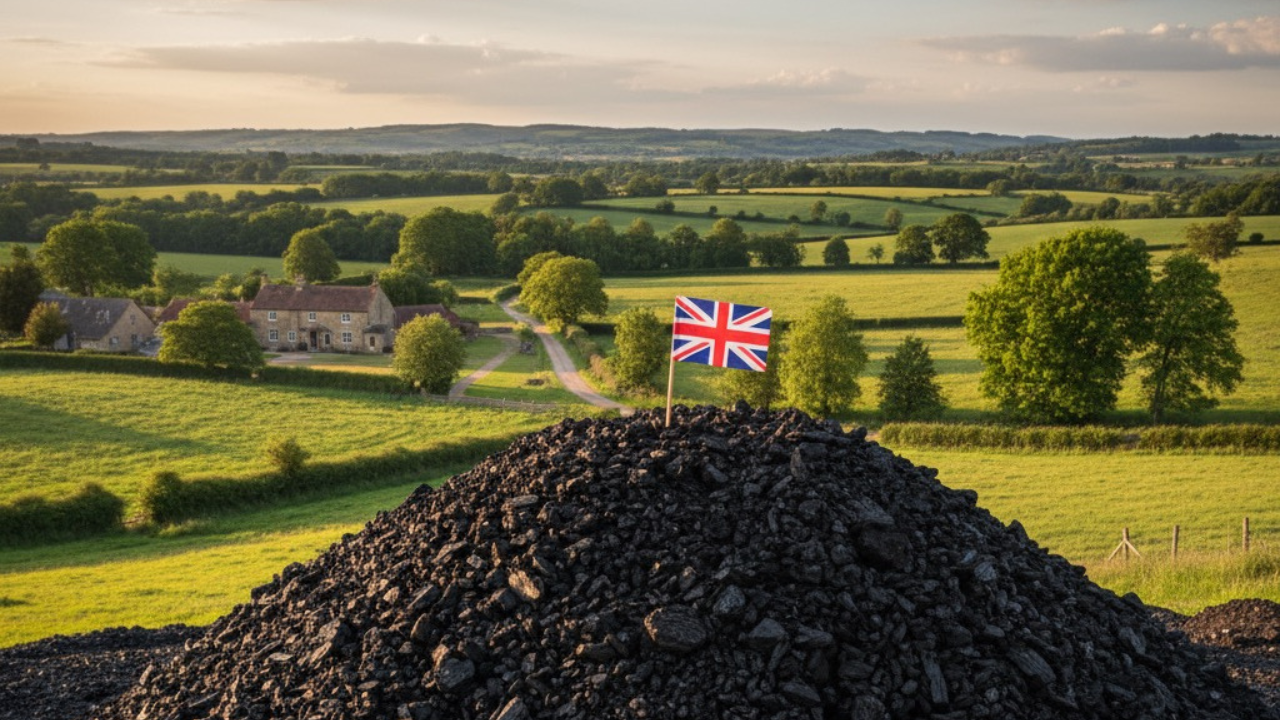
  • Nations of Biochar: How can the UK use Biochar to Clean its Waterways, Restore its Soils, and Fix its Forests?

    Nations of Biochar: How can the UK use Biochar to Clean its Waterways, Restore its Soils, and Fix its Forests?

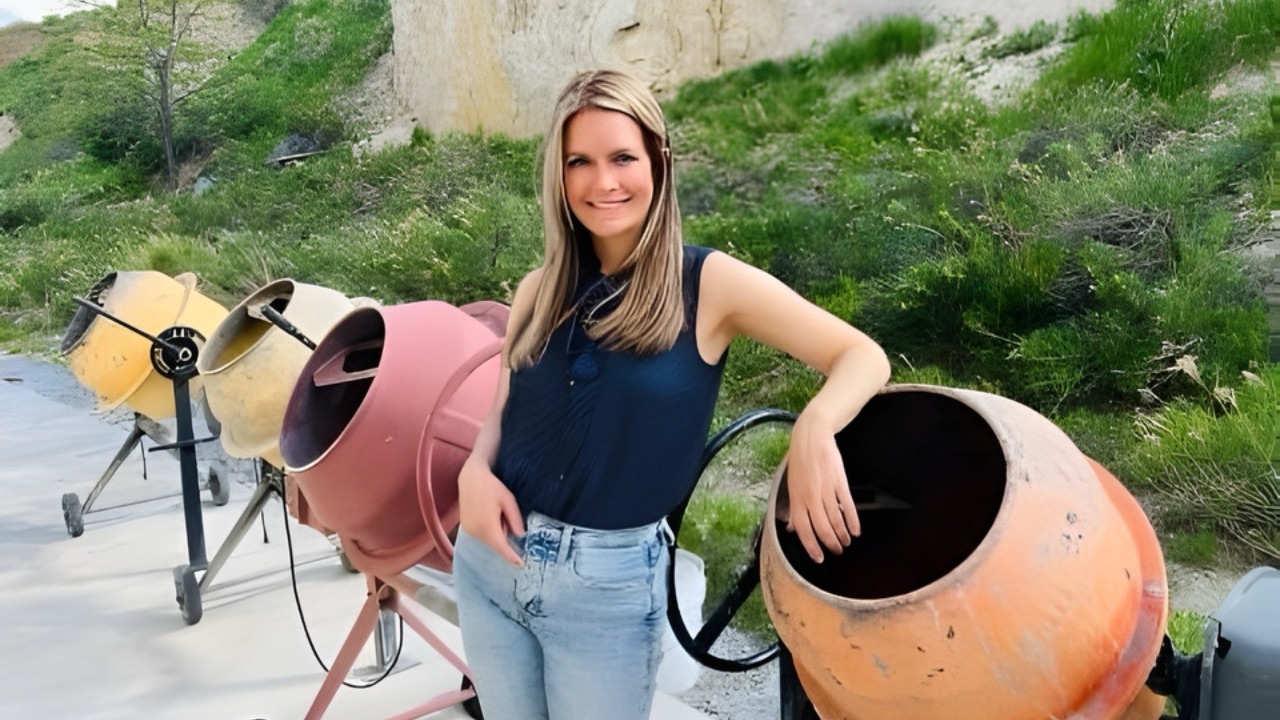
  • Moore Foundation Funds Colorado Mines to Advance Biochar Concrete: A Path to Reducing Cement by 50%

    Moore Foundation Funds Colorado Mines to Advance Biochar Concrete: A Path to Reducing Cement by 50%

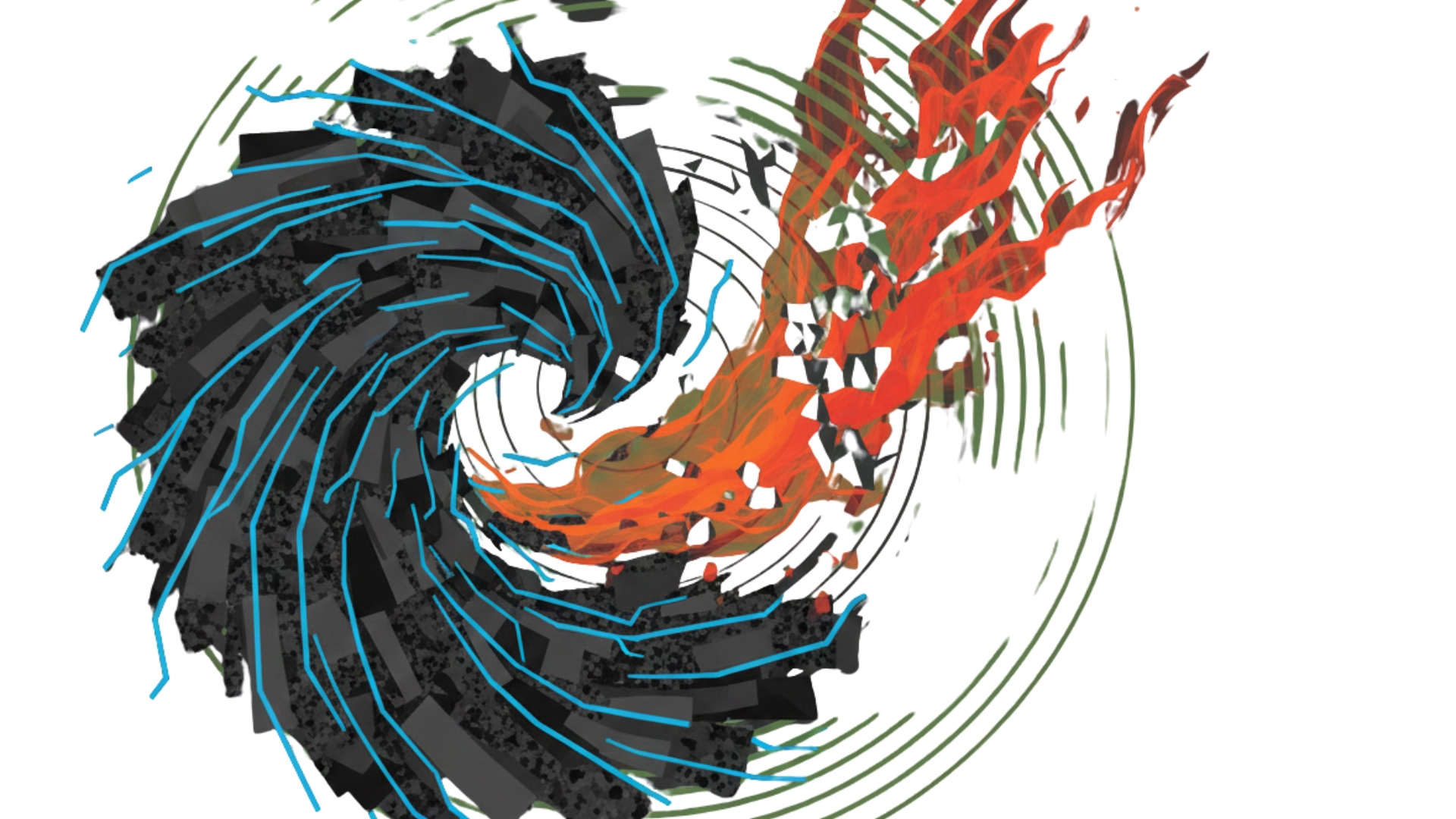
  • Controlled Hydrothermal Carbonization of Wood-derived Lignin-rich Lignocellulose: Redefining Pyrolytic Pathways to Tailored Biochar and Hydrogen-Enriched Syngas

    Controlled Hydrothermal Carbonization of Wood-derived Lignin-rich Lignocellulose: Redefining Pyrolytic Pathways to Tailored Biochar and Hydrogen-Enriched Syngas

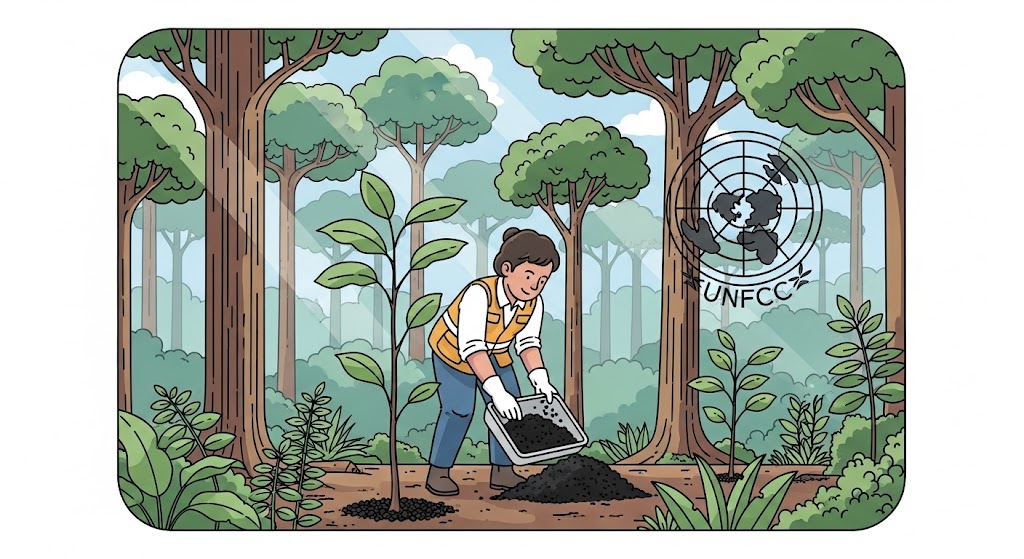
  • UNFCCC Assesses Colombia’s Forest Emission Baselines, Suggesting Improved Forest Carbon Management

    UNFCCC Assesses Colombia’s Forest Emission Baselines, Suggesting Improved Forest Carbon Management

  • The Cement-Biochar Connection: A Building Material with the Potential to Cut Emissions by 40%

    The Cement-Biochar Connection: A Building Material with the Potential to Cut Emissions by 40%

  • Cobalt-Catalyzed Pyrolysis and Co-Digestion Boost Methane Yield by 45% and Reduce Activation Energy to 125 kJ/mol

    Cobalt-Catalyzed Pyrolysis and Co-Digestion Boost Methane Yield by 45% and Reduce Activation Energy to 125 kJ/mol

  • Biochar Integration Decreases Concrete Compressive Strength by up to 30%, but Improves Long-Term Curing

    Biochar Integration Decreases Concrete Compressive Strength by up to 30%, but Improves Long-Term Curing

  • Don Coyne & Melissa Rebbeck: Overcoming Barriers to Sustainable Innovation in Australia and New Zealand

    Don Coyne & Melissa Rebbeck: Overcoming Barriers to Sustainable Innovation in Australia and New Zealand

1 2 3 … 5
Next Page
  • LinkedIn
  • X
  • Facebook
  • Instagram
  • Reddit
  • Spotify
  • RSS Feed

GET THE NEWSLETTER

By clicking subscribe, you agree to share your email address with the site owner and Mailchimp to receive marketing, updates, and other emails from the site owner. Use the unsubscribe link in those emails to opt out at any time.

Processing…
Success! You're on the list.
Whoops! There was an error and we couldn't process your subscription. Please reload the page and try again.
  • Resources
  • Glossary
  • Partner Directory
  • About
  • Editorial Guidelines
  • Contact
  • Privacy Policy
  • Disclaimer


Loading Comments...