Skip to content
LinkedIn
X
Facebook
Instagram
Reddit
Spotify
RSS Feed
Search
News
Blog
Industry Insights
Expert Profiles
Biochar Decoded
Ask Annie
Announcements
Podcast
Videos
Insights
Use Cases
Agriculture
Horticulture
Livestock
Landscaping
Building Materials
Concrete / Asphalt
Reforestation
Soil Remediation
Water Treatment
Carbon Sequestration
About
About Biochar Today
Partner Directory
Editorial Guidelines
Contact
Agriculture
Inoculating Industrial Tomatoes with Specific Bacillus subtilis Strains With Biochar Boosts Plant Dry Weight by 32.93% and Yield by 23.8%
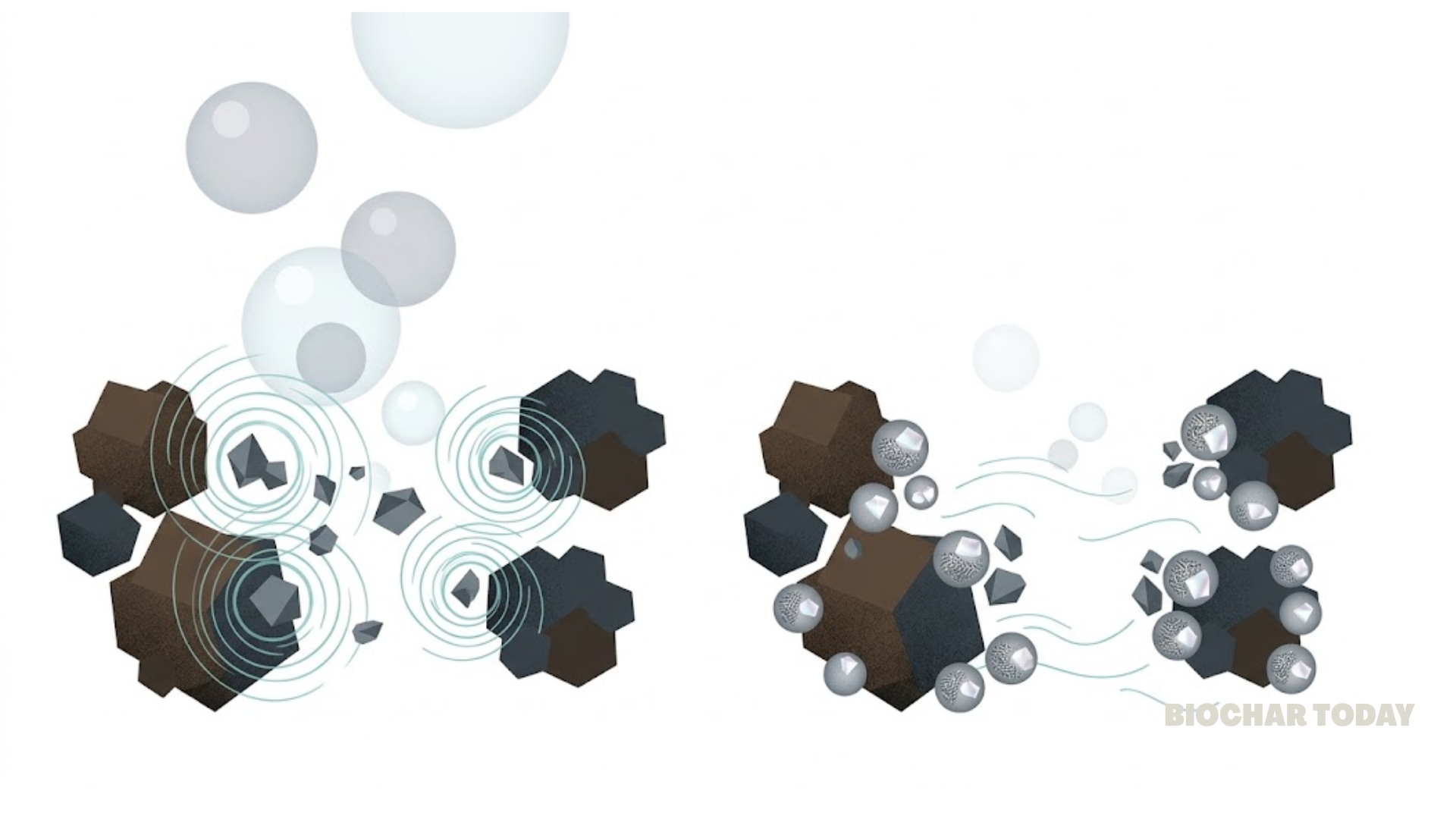
Titanium Dioxide-Loaded Biochar Composite Cuts Porewater Arsenic by Eighty-Eight Percent and Suppresses Methane Emissions in Flooded Paddy Soils
Combining Straw and Biochar Increases Soil Humic Acid Molecular Weight to 300 Net Mass Units, Boosting Organic Carbon Stability
Biochar Immobilized Microbes Boost Crop Yields by Up to Fifty-Three Percent and Restore Soil Health
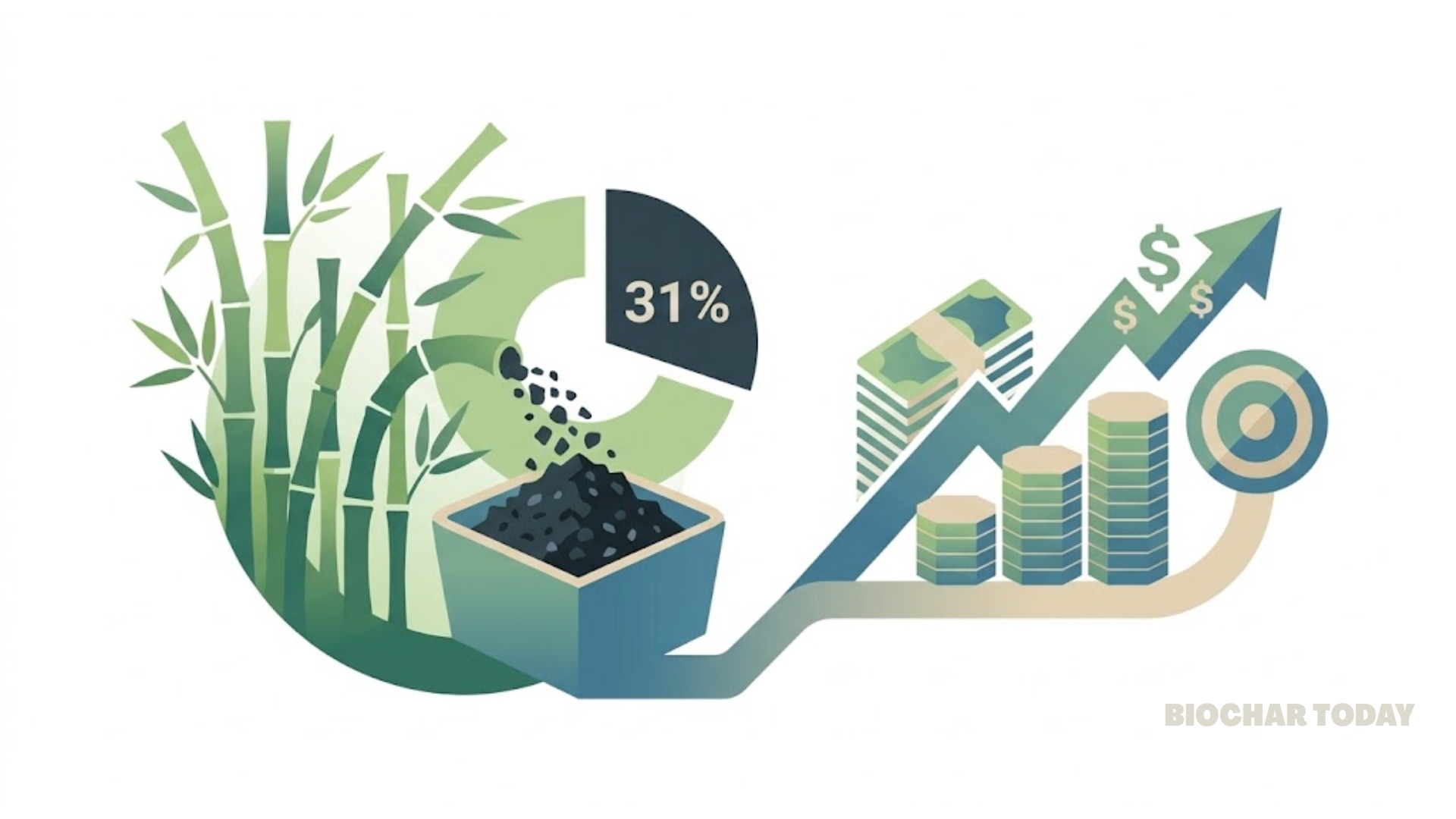
Dendrocalamus strictus Periphery Yields 31.14% Biochar and Projections Suggest 1107 Dollars per Hectare Annual Profit
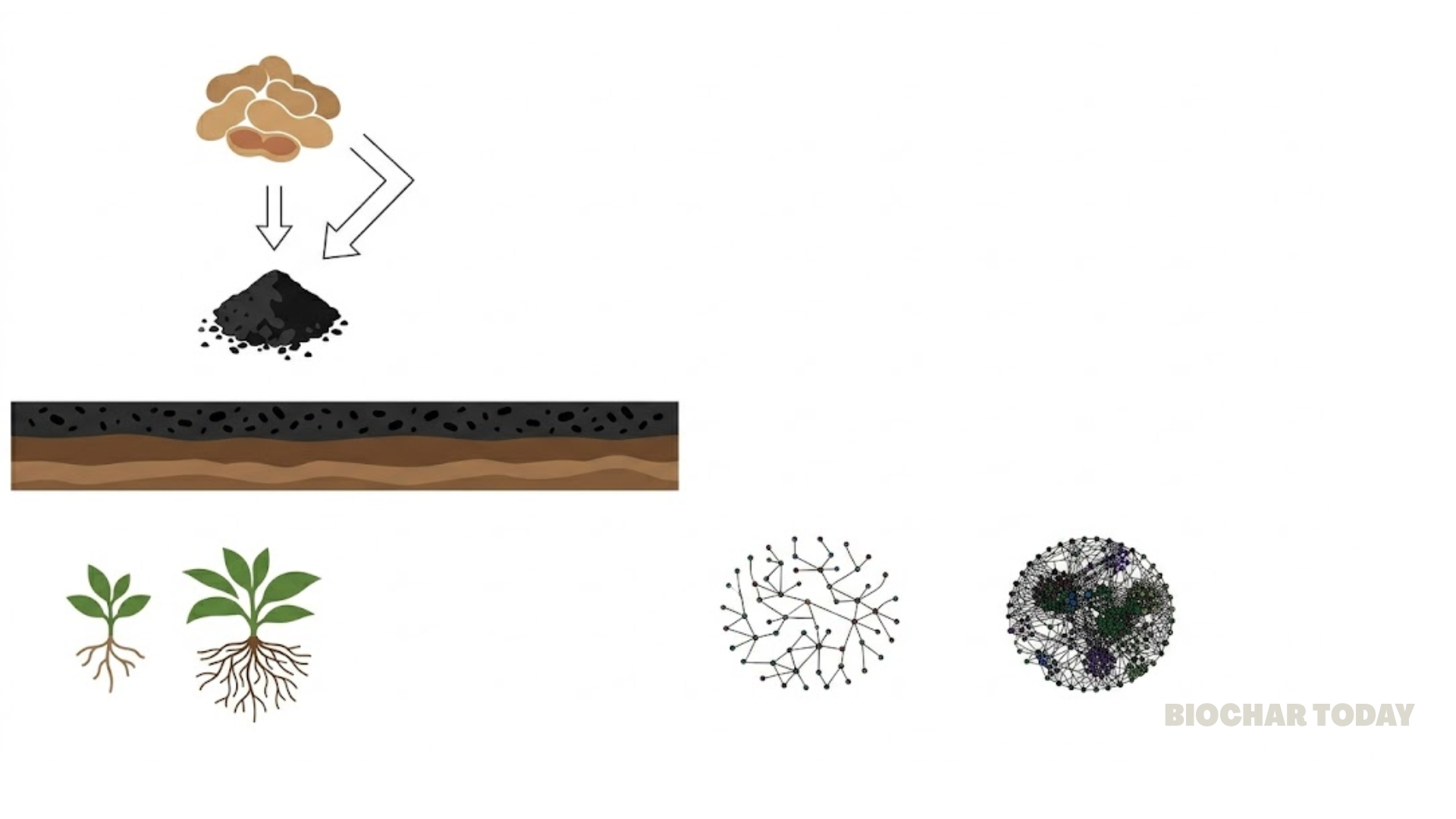
Multi-Year Peanut Shell Biochar Applications at Nine Hundred Kilograms per Hectare Enhance Soil Health and Improve Bacterial Network Complexity Across Chinese Tobacco Fields
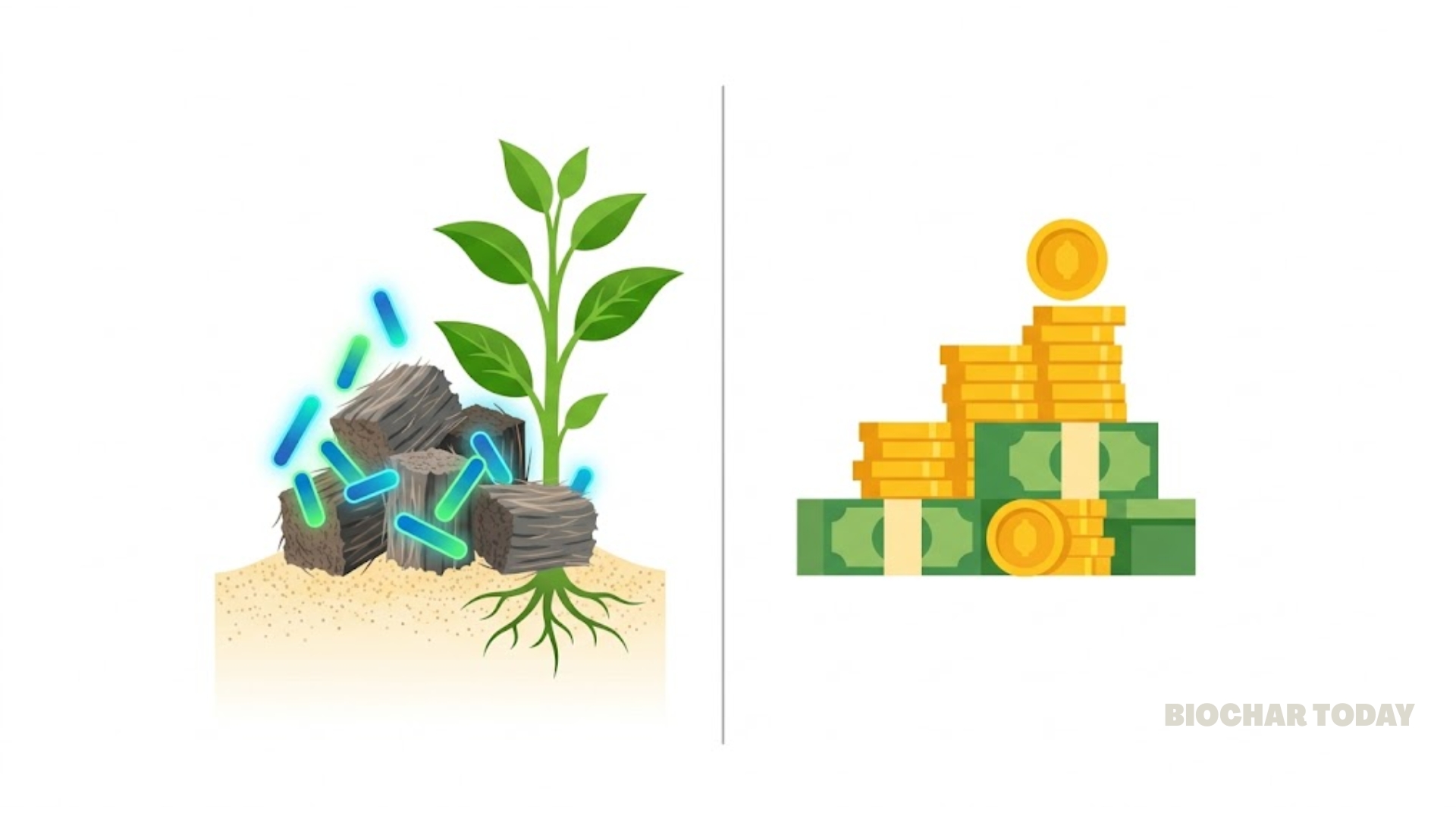
Co-Application of Tender Coconut Husk Biochar and Specialized Bacillus Strains Yields a Twofold Return on Investment in Sandy Soils
Beef Cattle Manure Biochar Boosts Fine Soil Water Holding Capacity by up to 44%
Combining Ten Tons of Biochar with Microbes Boosts Faba Bean Yield by Seventy-Four Percent
Optimizing Reactor Design Reduces Cancer Causing Toxins in Agricultural Biochar by Up to One Hundred Percent
Previous Page
1
…
5
6
7
8
9
…
26
Next Page
Loading Comments...
Write a Comment...
Email (Required)
Name (Required)
Website