Skip to content
LinkedIn
X
Facebook
Instagram
Reddit
Spotify
RSS Feed
Search
News
Blog
Industry Insights
Expert Profiles
Biochar Decoded
Ask Annie
Announcements
Podcast
Videos
Insights
Use Cases
Agriculture
Horticulture
Livestock
Landscaping
Building Materials
Concrete / Asphalt
Reforestation
Soil Remediation
Water Treatment
Carbon Sequestration
About
About Biochar Today
Partner Directory
Editorial Guidelines
Contact
Services
soil remediation
Biochar Amendment Reduces Earthworm Avoidance by Twenty Eight Percent in Soil Contaminated with Copper and Glyphosate
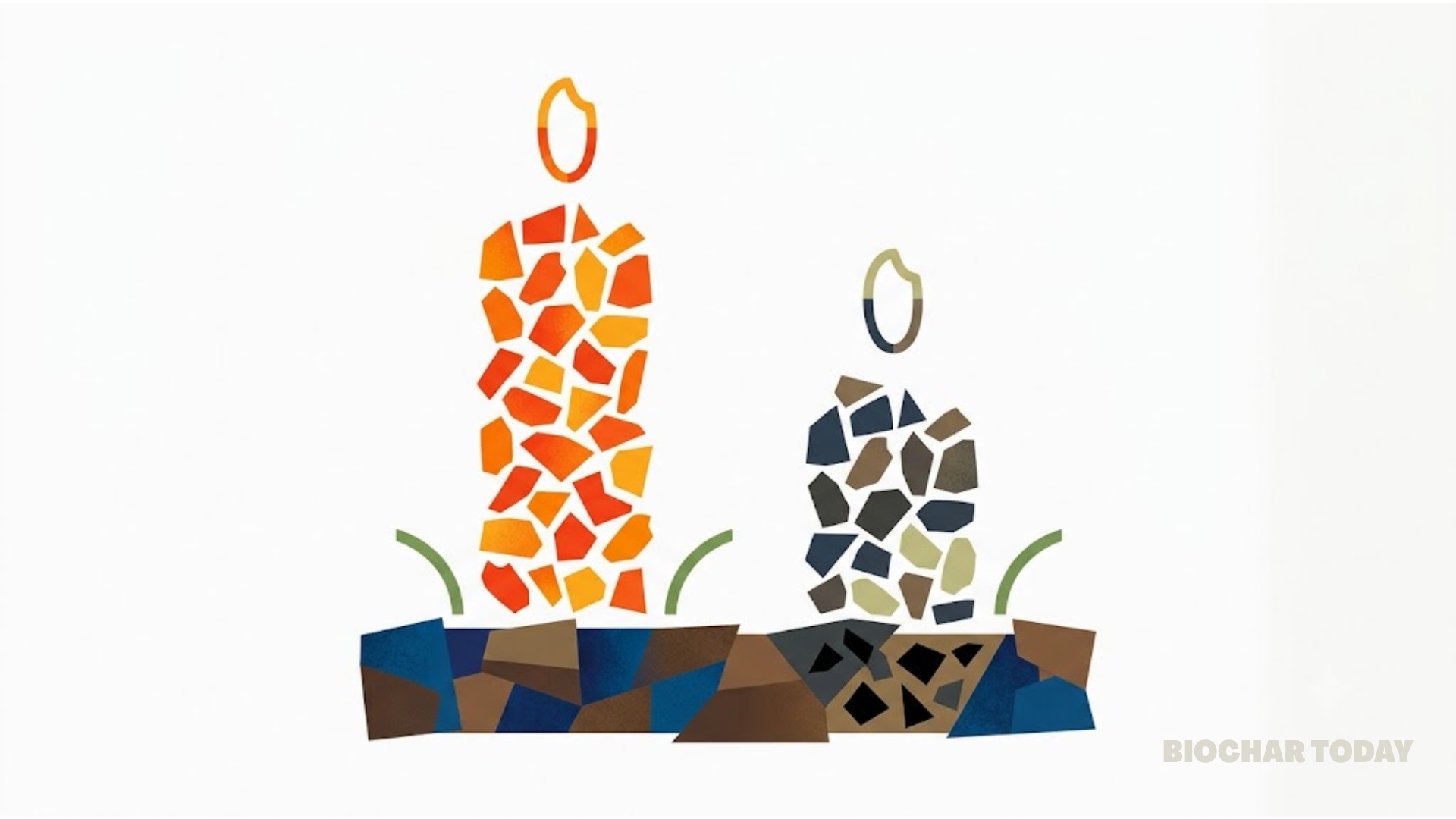
Micro-Nanoscale Bone Char Boosts Rice Yields by 49.72 Percent and Reduces Cadmium Accumulation by Up to 68.7 Percent
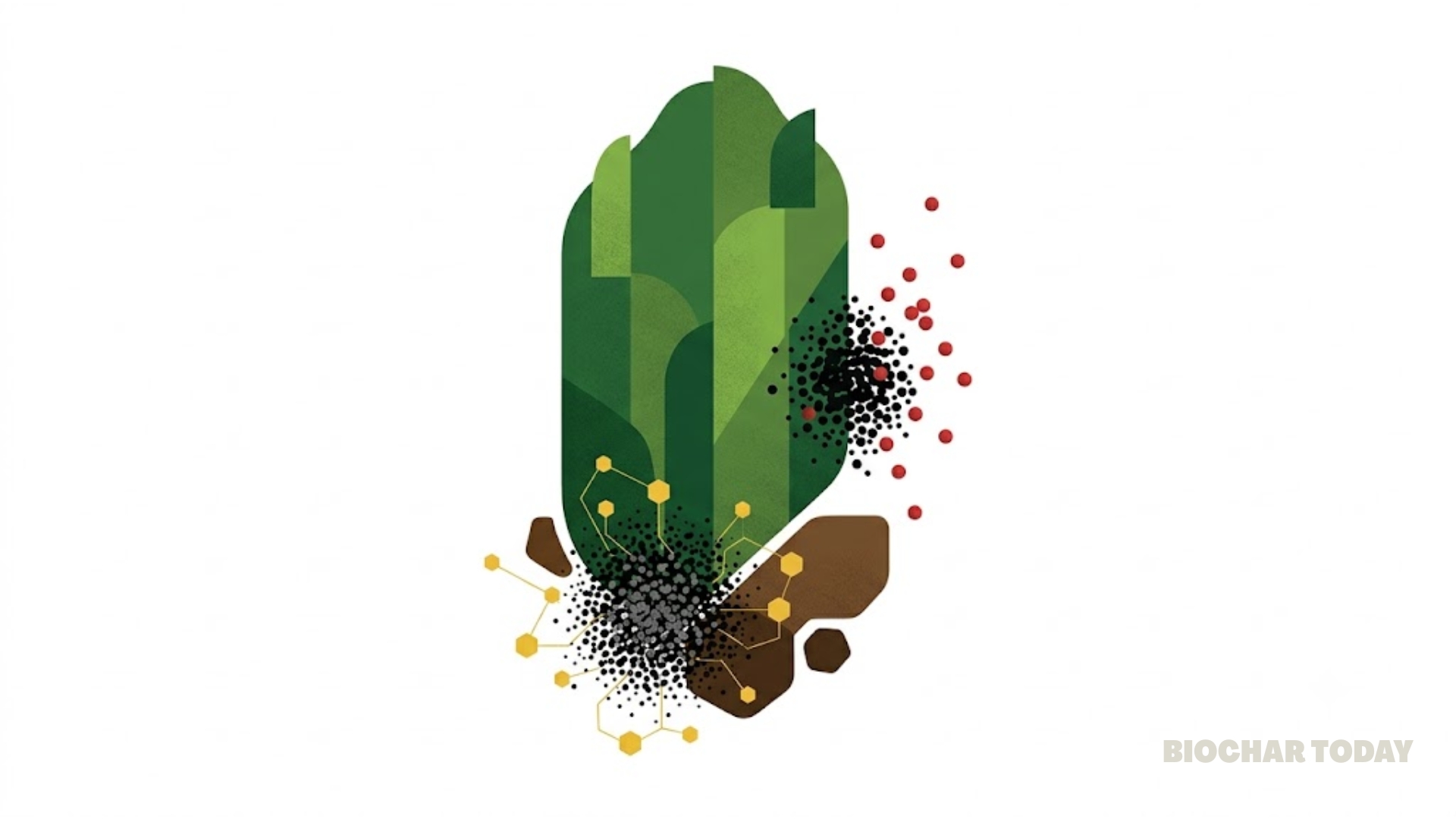
Biochar-Immobilized Microbes Boost Crop Yields by Up to 53 Percent and Achieve 95 Percent Pollutant Removal in Soil Remediation
Integrated Farming Strategy Reduces Soil Forever Chemical Remediation Costs to 1460 Dollars Per Hectare While Removing 11 Million Tons of Carbon Dioxide Annually
Global Biochar Research Surges Over 1000 Percent to Establish Sustainable Soil Remediation and Carbon Cleanup Solutions
High-Molecular-Weight Dissolved Organic Matter Enhances Biochar Adsorption Capacity and Minimizes Soil Cadmium Phytoavailability in Farmland Soils
Low-Dose Biochar Application from Rice Straw Reduces Grain Arsenic Accumulation by Seventy-Three Percent While Sustaining Yields in Contaminated Paddy Soils
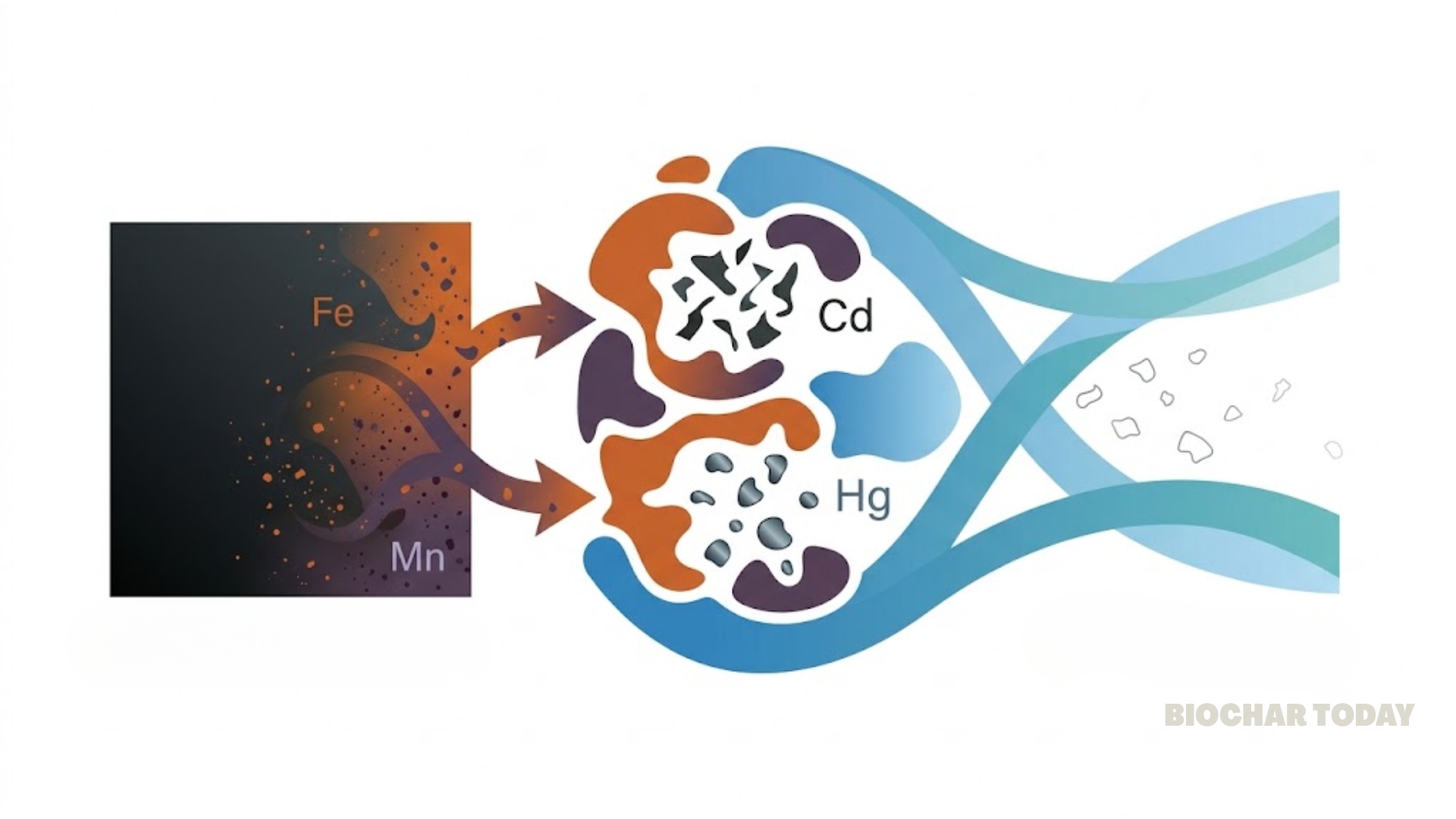
Combining Iron Manganese Biochar with Strategic Irrigation Minimizes Grain Cadmium to 0.05 Milligrams and Methylmercury to 6.89 Micrograms
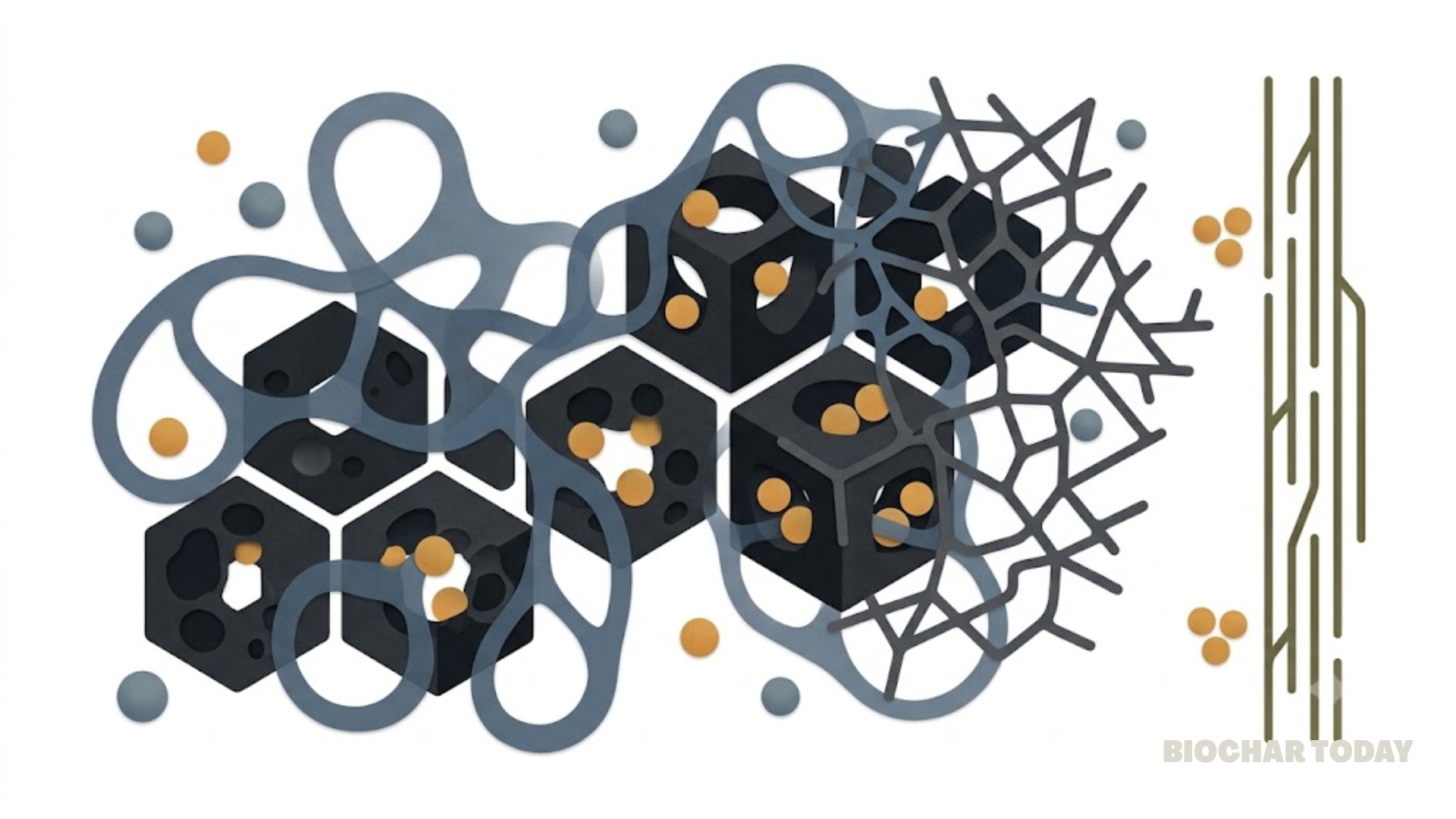
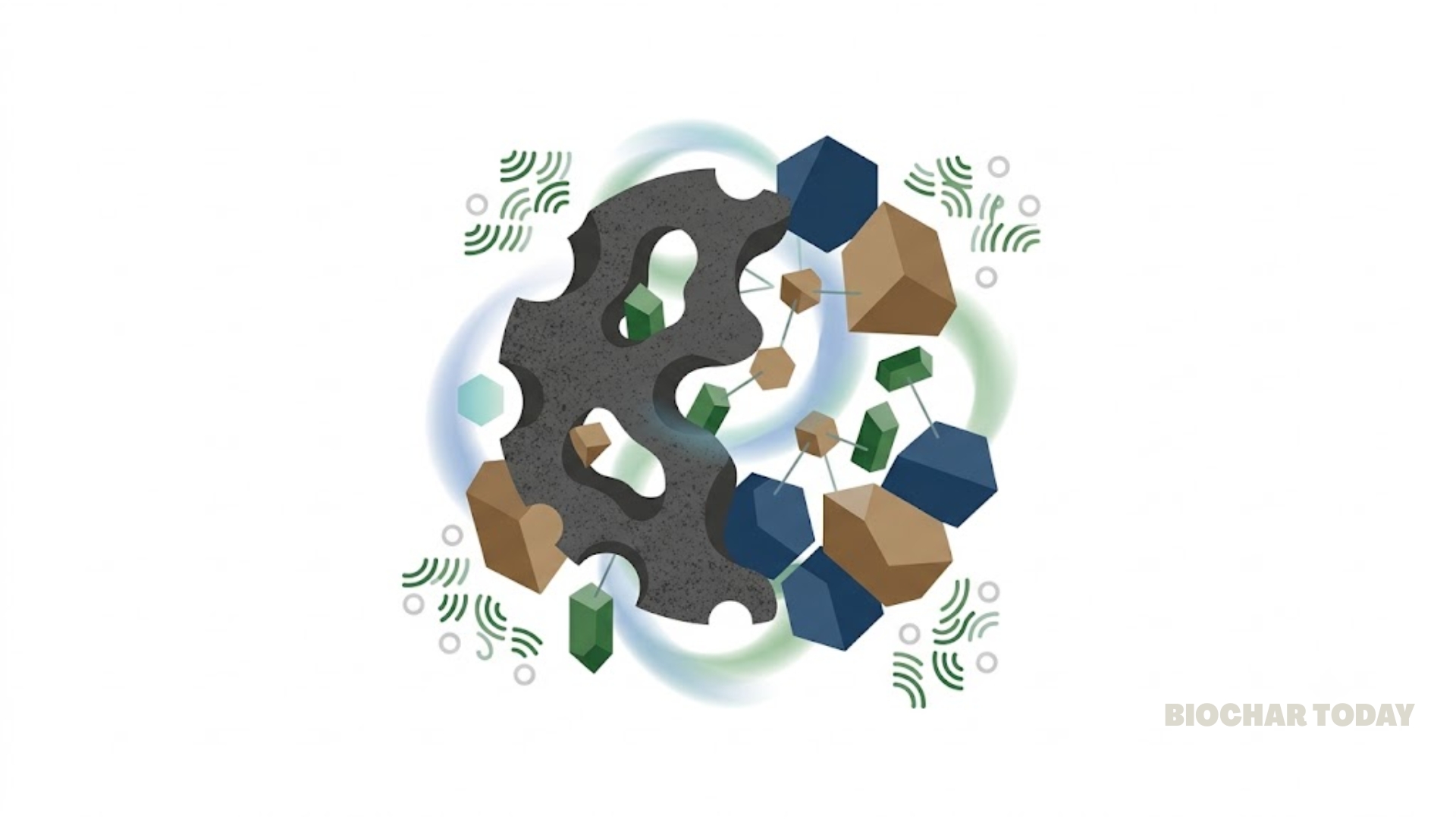
Pyrolysis and Porosity Adjustments Boost Micropore Development by 30% to 40% in Engineered Biochar-Mineral Composites
High-Molecular-Weight Dissolved Organic Matter-Biochar Composites Increase Soil Residual Cadmium by Up to 123.77 Percent While Significantly Reducing Crop Poisoning Risks
Previous Page
1
2
3
4
…
31
Next Page
Loading Comments...
Write a Comment...
Email (Required)
Name (Required)
Website