

A biodiversity conservation initiative in India is utilizing biocharBiochar is a carbon-rich material created from biomass decomposition in low-oxygen conditions. It has important applications in environmental remediation, soil improvement, agriculture, carbon sequestration, energy storage, and sustainable materials, promoting efficiency and reducing waste in various contexts while addressing climate change challenges. More to address habitat degradation in critical wildlife corridors. Aaranyak, a Guwahati-based conservation organization, in partnership with the International Elephant Foundation, has launched a pilot project in Assam’s Khalingduar Reserve Forest within the Bodoland Territorial Region. The program targets two hectares of degraded reserve forest along the Bhutan border, converting biomassBiomass is a complex biological organic or non-organic solid product derived from living or recently living organism and available naturally. Various types of wastes such as animal manure, waste paper, sludge and many industrial wastes are also treated as biomass because like natural biomass these More from aggressive invasive alien plants into stable soil amendments to support native floral recovery and enhance foraging conditions for wild elephant populations.
The primary ecological challenge stems from the unchecked proliferation of invasive alien plant species, specifically Lantana camara, Chromolaena odorata, and Mikania micrantha. These aggressive species form dense thickets across Assam’s forest reserves, outcompeting native grasses, herbs, and shrubs for light, space, and soil nutrients. As native vegetation dies off, the natural food supply for local herbivores is drastically depleted. This loss of foraging habitat forces wild elephants into human-dominated landscapes, elevating instances of human-wildlife conflict and threatening regional biodiversity.
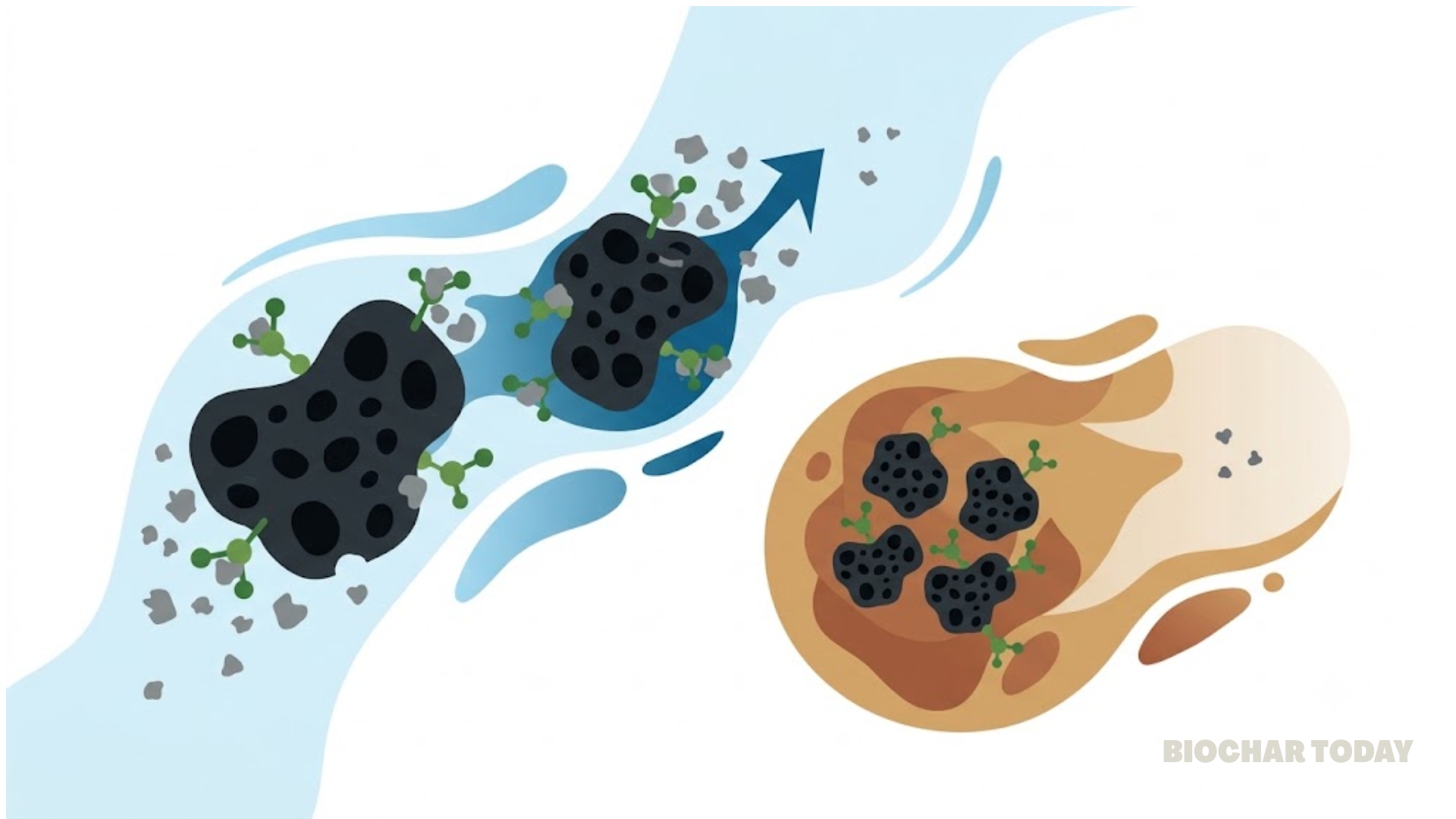
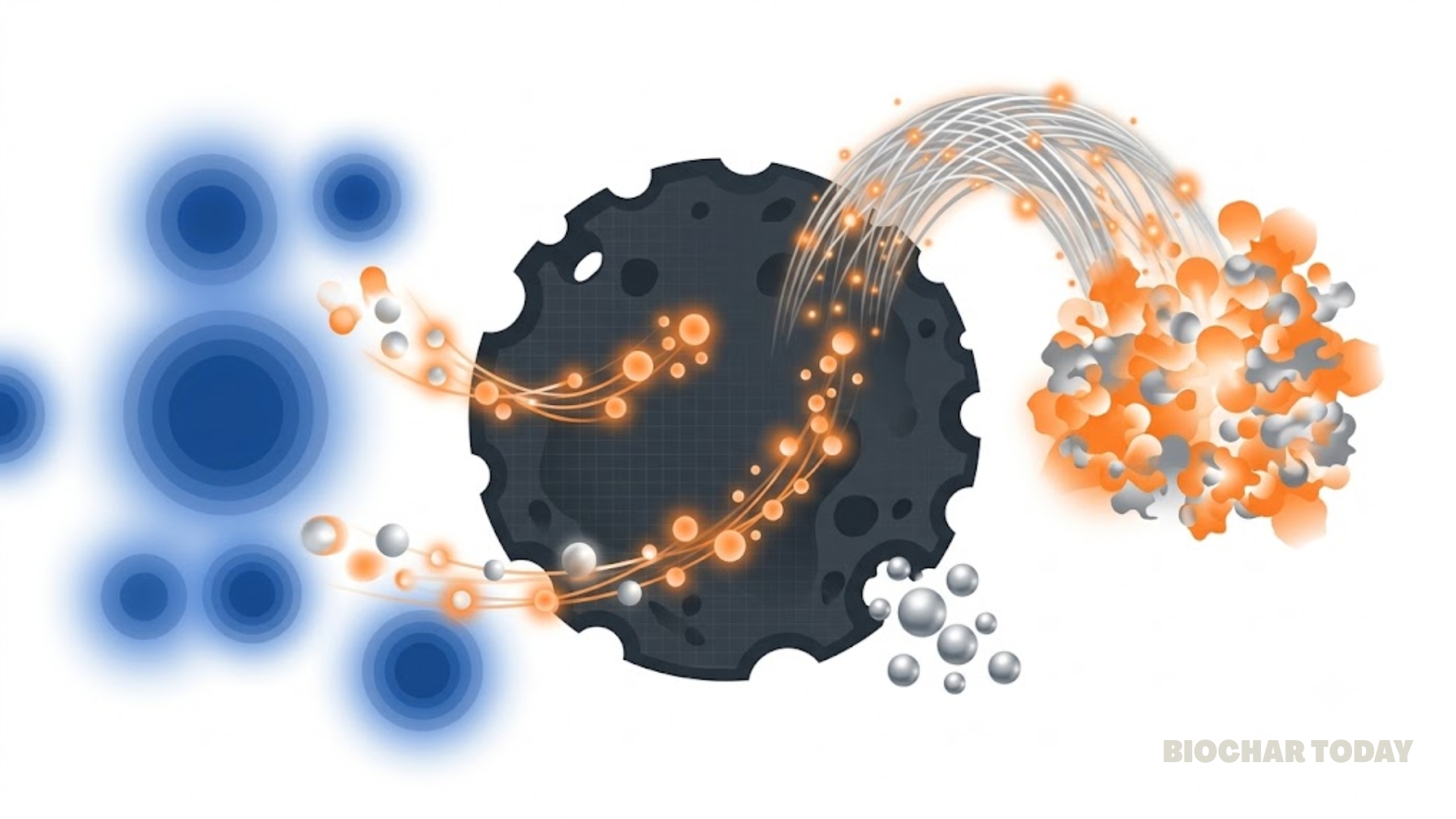
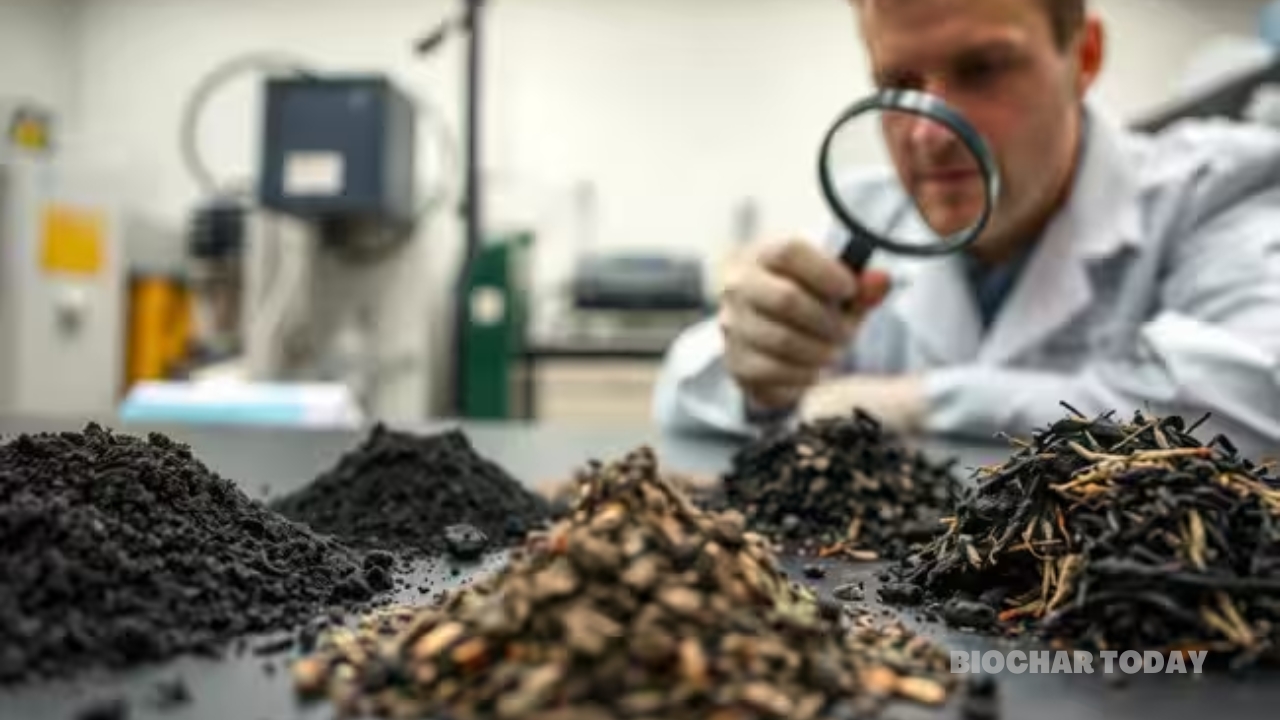
To resolve this habitat degradation, field teams from Aaranyak manually uprooted the invasive plants across the target area to prevent rapid regeneration and minimize competitive pressure on native flora. The cleared vegetative biomass is subsequently processed through thermal pyrolysisPyrolysis is a thermochemical process that converts waste biomass into bio-char, bio-oil, and pyro-gas. It offers significant advantages in waste valorization, turning low-value materials into economically valuable resources. Its versatility allows for tailored products based on operational conditions, presenting itself as a cost-effective and efficient More, converting the invasive plant matter into biochar. This biochar is then returned to the degraded forest soils alongside seed-ball-assisted regeneration techniques. By applying biochar, the project enhances soil moisture retention, improves nutrient capacity, and fosters a favorable micro-environment for the germination and growth of native plant species.
The initial implementation in the Khalingduar Reserve Forest establishes a scalable framework for managing invasive species while sequestering atmospheric carbon in forest soils. Early operational results indicate that converting invasive biomass into biochar effectively clears space for natural vegetation recovery while simultaneously boosting soil fertility. Forestry officials in the Bodoland Territorial Region view the initiative as a replicable model for larger-scale forest restoration across India, converting an ecological liability into an asset for wildlife conservation and soil health.

Leave a Reply