Skip to content
LinkedIn
X
Facebook
Instagram
Reddit
Spotify
RSS Feed
Search
News
Blog
Industry Insights
Expert Profiles
Biochar Decoded
Ask Annie
Announcements
Podcast
Videos
Insights
Use Cases
Agriculture
Horticulture
Livestock
Landscaping
Building Materials
Concrete / Asphalt
Reforestation
Soil Remediation
Water Treatment
Carbon Sequestration
About
About Biochar Today
Partner Directory
Editorial Guidelines
Contact
pyrolysis temperature
Sugarcane Waste Biochar Produced at Six Hundred Degrees Celsius Increases Adsorption Capacity to Seven Hundred Twenty One Milligrams per Gram
Seaweed Biochar Produced at Five Hundred Degrees Achieves Over Ninety-Nine Percent Removal of Toxic Pesticides from Water
High-Temperature Biochar at Seven Hundred Degrees Celsius Reduces Bioavailable Cadmium by Over Twenty-Two Percent Through Synergistic Microbial Interactions
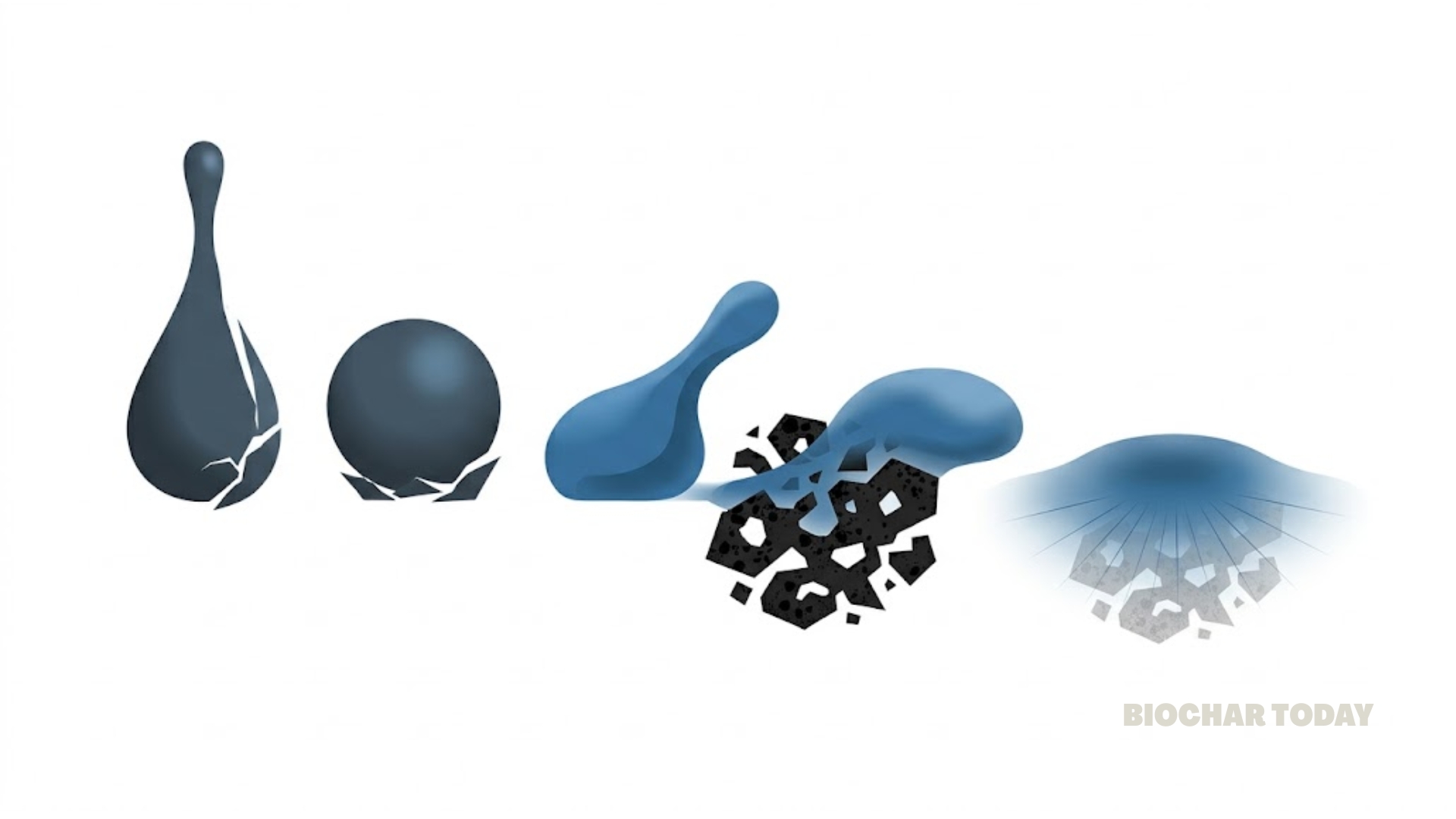
New Measurement Standard Using Dynamic Contact Angle Provides Accurate Classification of Biochar Water Repellency
Hardwood Biochar Produced at 400 Degrees Celsius Cuts Total Nitrogen Loss by Over 46 Percent During Composting
Aging Increases Low-Temperature Biochar Conductivity by Over One Thousand Times While Reducing High-Temperature Biochar Performance
Optimal Processing Temperatures Boost Energy Storage Capacity in Neem Seed Biochar Composites
Wheat Straw Biochar Boosts Soil Phosphorus and Potassium by Up to Fivefold in Fertile Luvisols
Biochar Application Reduces Soil Sulfonamide and Tetracycline Antibiotic Concentrations by 54.8% and 20.9%, Respectively
High-Temperature Biochar Safely Locks Away 83% of Lead in Phytoremediation Waste
Previous Page
1
2
3
4
5
6
…
13
Next Page
Loading Comments...
Write a Comment...
Email (Required)
Name (Required)
Website