Skip to content
LinkedIn
X
Facebook
Instagram
Reddit
Spotify
RSS Feed
Search
News
Blog
Industry Insights
Expert Profiles
Biochar Decoded
Ask Annie
Announcements
Podcast
Videos
Insights
Use Cases
Agriculture
Horticulture
Livestock
Landscaping
Building Materials
Concrete / Asphalt
Reforestation
Soil Remediation
Water Treatment
Carbon Sequestration
About
About Biochar Today
Partner Directory
Editorial Guidelines
Contact
global warming potential
High-Temperature Biochar Deployment at Doses of Forty Tonnes per Hectare Optimizes Global Warming Potential Reductions by up to Eighty-Three Percent
Five Tonnes of Wood Biochar Per Acre Maximizes Sorghum Yields by Thirty-Five Percent and Traps Up to Nineteen Point Six Metric Tons of Carbon per Hectare
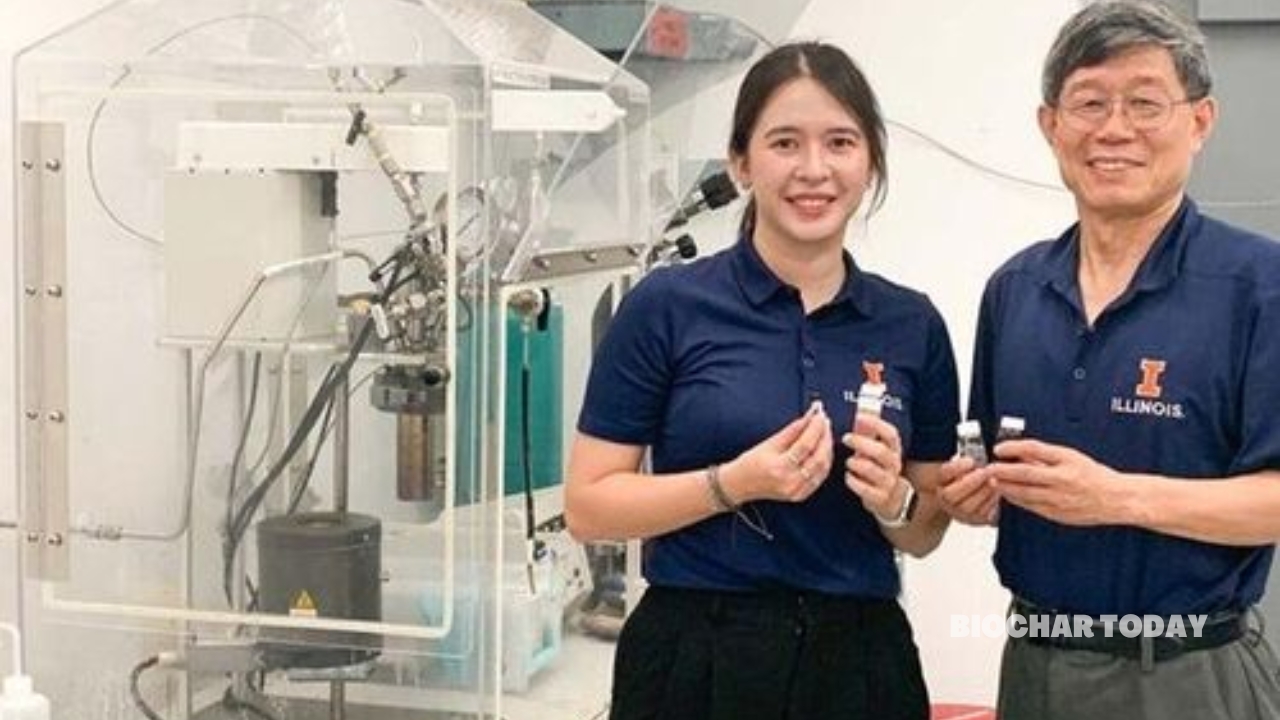
University of Illinois Urbana-Champaign Study Demonstrates Technical and Economic Feasibility of Generating Sustainable Aviation Fuel Blend from Food Waste Through Hydrothermal Liquefaction
Biomass Chemical Looping Pathways Attain Negative Carbon Balance of up to 0.90 Tons of Carbon Dioxide Equivalent per Ton of Green Methanol
Soil Management Trade-offs: Biochar Increases Sorghum Yield up to 35 Percent and Retains Soil Carbon while Nitrous Oxide Remains the Dominant Greenhouse Gas Emitter
Meta-Analysis Reveals High-Temperature Biochar and Large Application Rates Can Reduce Agricultural Global Warming Potential by Eighty-Three Percent
Substituting Five Percent of Cement with Waste-Derived Biochar Enhances Strength While Cutting Sustainability Costs by Forty-Four Percent
Biochar Amendments Can Reduce Agricultural Greenhouse Gas Emissions by Up to Thirty Nine Percent
Biochar Concrete with 32 MPa Strength Reduces Carbon Emissions by 33%
Activated Carbon-Based Biochar Reduces Environmental Impact by 70% in Biogas Production
1
2
3
Next Page
Loading Comments...
Write a Comment...
Email (Required)
Name (Required)
Website