
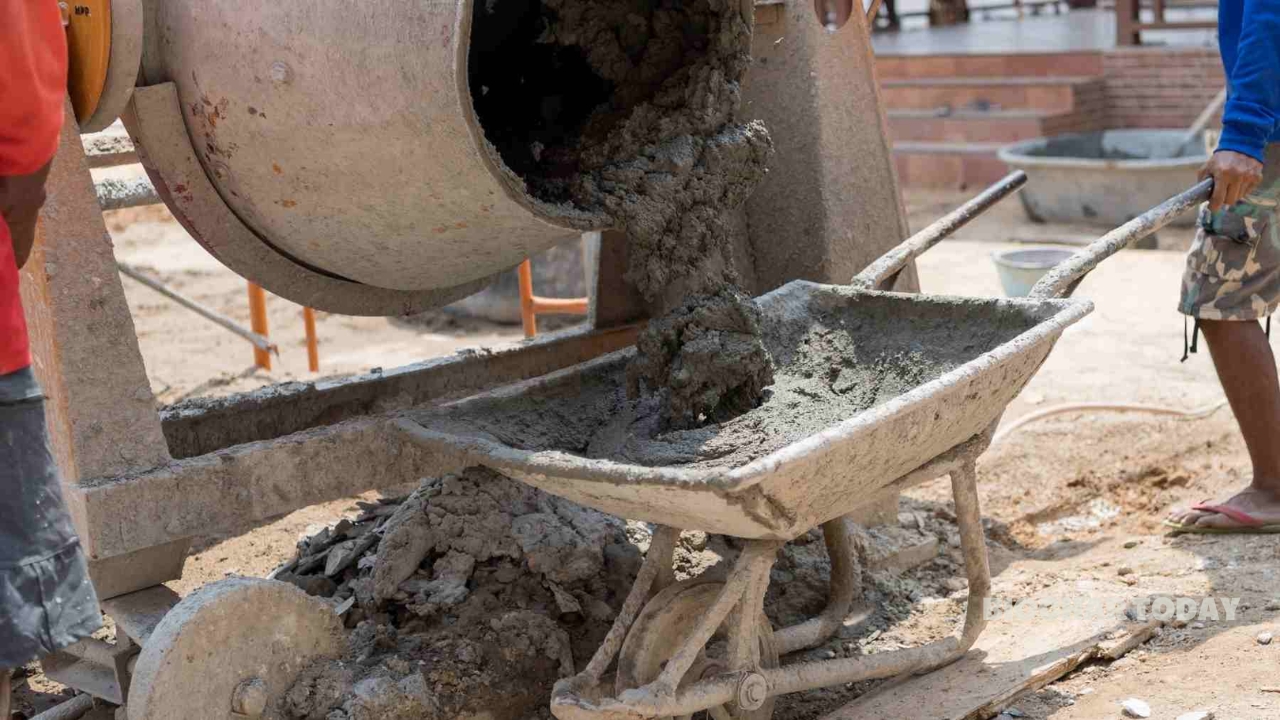
A research team at the University of Miami, supported by the VoLo Foundation, is investigating the integration of algae-derived biocharBiochar is a carbon-rich material created from biomass decomposition in low-oxygen conditions. It has important applications in environmental remediation, soil improvement, agriculture, carbon sequestration, energy storage, and sustainable materials, promoting efficiency and reducing waste in various contexts while addressing climate change challenges. More into cementitious mixes to decarbonize the construction industry. This project, which recently secured the 2026 VISTA Award, explores a dual-leverage approach: replacing a portion of traditional Portland cement with seaweed biochar and employing carbon curing techniques to mineralize carbon dioxide within the concrete matrix. By utilizing locally sourced algae from South Florida as a feedstockFeedstock refers to the raw organic material used to produce biochar. This can include a wide range of materials, such as wood chips, agricultural residues, and animal manure. More, the initiative seeks to transform a coastal waste problem into a high-performance, carbon-sequestering building material suitable for critical infrastructure.
The primary challenge addressed by this research is the substantial carbon footprint of global cement production, which accounts for approximately 5% to 8% of anthropogenic CO2 emissions. Cement acts as the essential binder in concrete, but its manufacture requires extreme heat and involves a chemical process known as calcination that releases significant greenhouse gases. Furthermore, previous attempts to incorporate biochar into concrete have frequently resulted in diminished structural integrity; traditional biochar typically can only replace about 10% of cement before the material suffers from reduced strength, durability, and workability, limiting its industrial scalability.
To overcome these mechanical limitations, the University of Miami researchers are “functionalizing” the biochar through chemical surface treatments to improve its bonding capabilities within the cement matrix. This engineering breakthrough aims to increase the cement replacement rate to between 20% and 30% without compromising performance. Additionally, the team is utilizing the biochar as an internal reservoir for “pre-carbonation,” where the material is treated to capture CO2 and store it as stable calcium carbonate during the hydration process. This method is complemented by carbon curing, which encourages the fresh concrete to absorb atmospheric CO2 as it hardens.
The outcomes of this research include the development of a more resilient, low-carbon concrete specifically designed to withstand the rigorous coastal and marine environments of the United States. Early experimental results suggest that high-efficiency sequestration can be achieved while maintaining the requisite strength for heavy-duty applications. The $25,000 VISTA Award grant will facilitate further life-cycle assessments and long-term durability testing, focusing on corrosion resistance and self-healing properties. Ultimately, the project provides a scalable pathway for the construction sector to meet net-zero targets while simultaneously mitigating the environmental impact of invasive algae blooms on coastal ecosystems.




Leave a Reply