
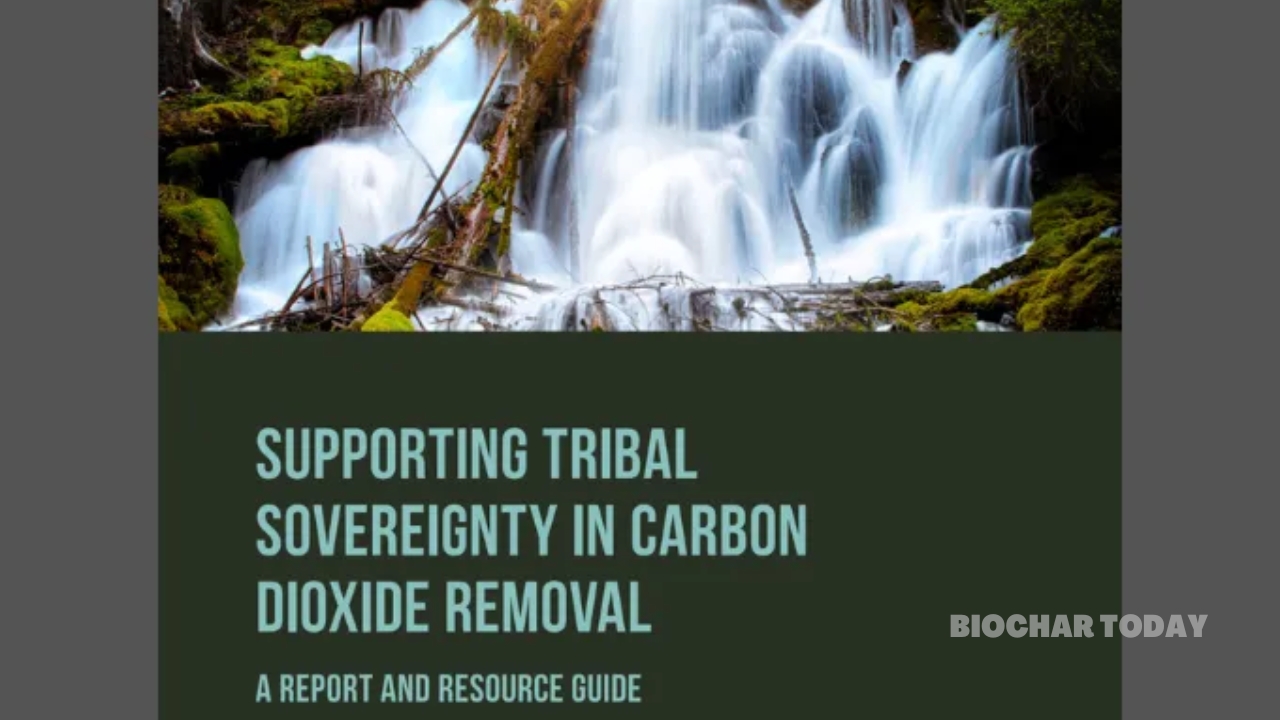
A multi-organization coalition operating under the initiative “Supporting Tribal Sovereignty in Carbon Removal” has released a comprehensive suite of resources designed to assist Tribal Nations in navigating the rapidly expanding carbon dioxide removal (CDR) sector. Launched originally in 2025, the initiative brings together the Partnerships for Tribal Carbon Solutions, the Indigenous Greenhouse Gas Removal Commission, the Carbon Business Council, and the Institute for Responsible Carbon Removal at American University. This collaborative effort focuses on positioning United States Tribal Nations and Indigenous communities as strategic partners and climate leaders, providing them with the necessary frameworks to evaluate how carbon removal technologies align with their environmental, cultural, and economic goals.
The major challenge addressed by this initiative is that U.S. Tribal Nations find themselves on the front lines of severe climate change while simultaneously facing complex, high-stakes decisions regarding large-scale CDR deployment without standardized guidance. Incoming project developers frequently introduce technologies—ranging from biomass-based solutions to marine CDR—that carry profound implications for tribal land use, long-term stewardship, infrastructure, local governance, and socio-environmental health. Lacking culturally aligned evaluation metrics, individual tribes risk experiencing infrastructure encroachment or entering unfavorable governance and ownership models that fail to respect tribal sovereignty or safeguard native resources from exploitative commercial practices.
To resolve these systemic informational and structural gaps, the initiative developed three distinct, expert-informed resource guides to structure internal decision-making and establish baseline commercial expectations. The primary document, Supporting Tribal Sovereignty in Carbon Dioxide Removal: A Report and Resource Guide, outlines clear ownership frameworks and includes explicit evaluation prompts drawn from active cross-geographic case studies. To formalize developer responsibilities, the coalition published Guardrails and Considerations for CDR Project Developers Engaging With Tribes, alongside a specialized legal and ecological reference text titled Marine Carbon Dioxide Removal and Tribal Interests and Rights: a Reference Guide.
The definitive outcome of this comprehensive resource launch is the establishment of a standardized framework that empowers Tribal Nations to dictate the terms of CDR deployment and ownership on their lands. By equipping indigenous leadership with specialized evaluation tools, the initiative establishes a mandatory baseline for project developers, ensuring that future carbon projects respect tribal sovereignty and prioritize long-term ecological stewardship over external corporate interests. This shifts the tribal role from passive geographic hosts to active, self-governing managers of regional carbon removal systems.




Leave a Reply