
DDT contamination in soil remains a widespread issue due to its extensive use in agriculture and forestry during the mid-20th century. Although banned for over 50 years, DDT persists in the environment, posing significant ecological risks. Researchers at Chalmers University of Technology in Sweden have demonstrated a promising method to mitigate these risks by using biocharBiochar is a carbon-rich material created from biomass decomposition in low-oxygen conditions. It has important applications in environmental remediation, soil improvement, agriculture, carbon sequestration, energy storage, and sustainable materials, promoting efficiency and reducing waste in various contexts while addressing climate change challenges. More, a carbon-rich material, to reduce the bioavailability of DDT in soil.
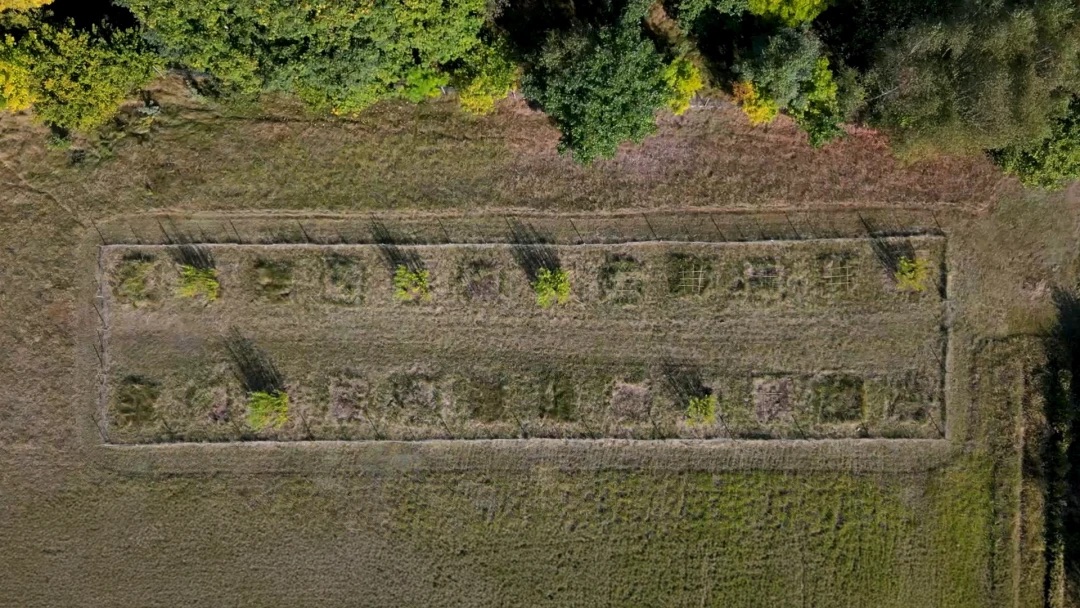
A three-year field experiment was conducted at a former tree nursery in southern Sweden. The site’s soil, heavily contaminated with DDT, was excavated and divided into piles. Biochar was mixed into half of the soil samples, which were then redistributed across 24 experimental plots. Four types of plants were cultivated: pumpkins, grasses, legumes, and willows. The researchers monitored the effects of biochar on soil health, focusing on its ability to bind DDT and reduce uptake by soil organisms.
“Treating contaminated soil in large volumes is costly and complicated. A common solution is to dig out the soil and then transport it to a landfill for hazardous waste, but that means destroying good quality soils and is not a reasonable solution for large contaminated areas.” – Paul Drenning, postdoctoral researcher at the Department of Architecture and Civil Engineering at Chalmers.
The results were significant. The addition of biochar reduced the amount of DDT absorbed by earthworms by 50%. This indicates a lower risk of bioaccumulation in the food chain, where predators like birds and other animals typically experience the highest toxin concentrations. By decreasing the ecological risks associated with DDT, biochar treatment could allow contaminated lands to be repurposed for agriculture or other uses.
Biochar treatment also offers a practical alternative to traditional remediation methods, which often involve costly soil excavation and disposal in hazardous waste landfills. On-site application of biochar is less expensive, less disruptive, and preserves the quality of the soil. This approach could enable landowners to grow crops such as pine saplings, hay, or bioenergy crops like willow trees, while complying with ecological safety regulations.
The reason why the contaminated land is left unused today is not that there would be health risks with crops, but that the landowner is obliged by regulation to address the ecological risks with DDT. While awaiting an investigation and decision on this, the land has remained unused” – Jenny Norrman, Professor at the Department of Architecture and Civil Engineering
The researchers emphasize the long-term benefits of this method. Biochar decomposes very slowly in soil, meaning its effects could last for decades. To confirm its durability, the team will continue monitoring the treated site and exploring ways to scale up the application process without requiring large-scale soil excavation.
The experiment also serves as a demonstration of a broader methodology for evaluating soil remediation options. This approach considers soil health holistically, including factors like nutrient cycling, water retention, and carbon storage. It provides landowners and decision-makers with a practical framework for addressing contaminated soils.
While the use of biochar for soil remediation is still uncommon, the results of this study highlight its potential to stabilize contaminants like DDT. The Chalmers researchers hope their work will contribute to more sustainable land management practices and encourage further exploration of biochar’s applications in mitigating soil pollution.
This study was supported by organizations including Formas, the Swedish Geotechnical Institute, and SveaSkog, and its findings have been published in the journal Science of The Total Environment. By demonstrating a cost-effective and environmentally friendly solution, this research marks an important step toward reclaiming contaminated lands for productive use.
LEARN MORE: Biochar reduces the risks of DDT-contaminated soil

![Eucalyptus Wood Waste-Derived Biochar Achieves a Ninety-Eight Percent Removal Efficiency for Benzo[ghi]perylene in Vehicle-Wash Wastewater](https://biochartoday.com/wp-content/uploads/2026/10/SCIENCE-BLOGS-2026-2026-10-19T160523.703.jpg)

Leave a Reply