

Key Takeaways
- Soil carbon is divided into fast-cycling labile forms and stable recalcitrant pools.
- The global soil pool holds 2,500 gigatons of carbon, which is 3.2 times larger than the atmospheric reservoir.
- Inorganic carbon makes up roughly 38% of global reserves and is vital in arid regions.
- BiocharBiochar is a carbon-rich material created from biomass decomposition in low-oxygen conditions. It has important applications in environmental remediation, soil improvement, agriculture, carbon sequestration, energy storage, and sustainable materials, promoting efficiency and reducing waste in various contexts while addressing climate change challenges. More application can increase soil inorganic carbon by up to 28.3%.
- Zero-tillage and cover crops enhance stable carbon storage and improve soil structure
In a comprehensive review published in the journal Sustainable Chemistry for Climate Action, lead author Meenu Yadav and a team of researchers from Maharshi Dayanand University and Guru Jambheshwar University of Science and Technology provide a roadmap for utilizing the Earth’s largest terrestrial carbon reservoir to combat climate change. The study emphasizes that soil’s capacity to mitigate global warming is determined not just by its total carbon content but by the unique behaviors of its distinct fractions, which range from short-lived pools to forms that remain locked away for centuries. By synthesizing data on both organic and inorganic carbon, the researchers offer a conceptual framework to align land management with the specific functionality of these fractions to enhance sustainable productivity and ecosystem restoration.
The findings highlight that soil carbon is split into two primary forms: organic carbon, derived from biological sources like plant litter and roots, and inorganic carbon, which consists mainly of carbonates. Globally, the top two meters of soil hold approximately 2,400 gigatons of organic carbon and up to 1,000 gigatons of inorganic carbon. In India specifically, where soils are often carbon-poor, the researchers noted an urgent need to maintain sequestration rates of 23 to 28 per mile to offset annual emissions of 566 million tons. A major challenge identified is that current climate-smart agricultural models often neglect these fraction-specific dynamics, leading to uncertainties in how soils will respond to shifting environmental stresses and human disturbances.
To address these gaps, the study details how different fractions respond to management. For example, particulate organic carbon, which is linked to soil aggregates, is highly sensitive to farming practices like tillage. In contrast, mineral-associated organic carbon forms stable complexes with clay and silt particles, ensuring long-term storage that is more resistant to rising global temperatures. The researchers found that microbial communities play a pivotal role in this process, as they convert plant residues into stable organic forms and even accelerate the formation of secondary carbonates in the soil. They also highlighted that soil texture significantly influences storage capacity, with clay-rich soils capable of storing up to four times more recalcitrant carbon than sandy soils.
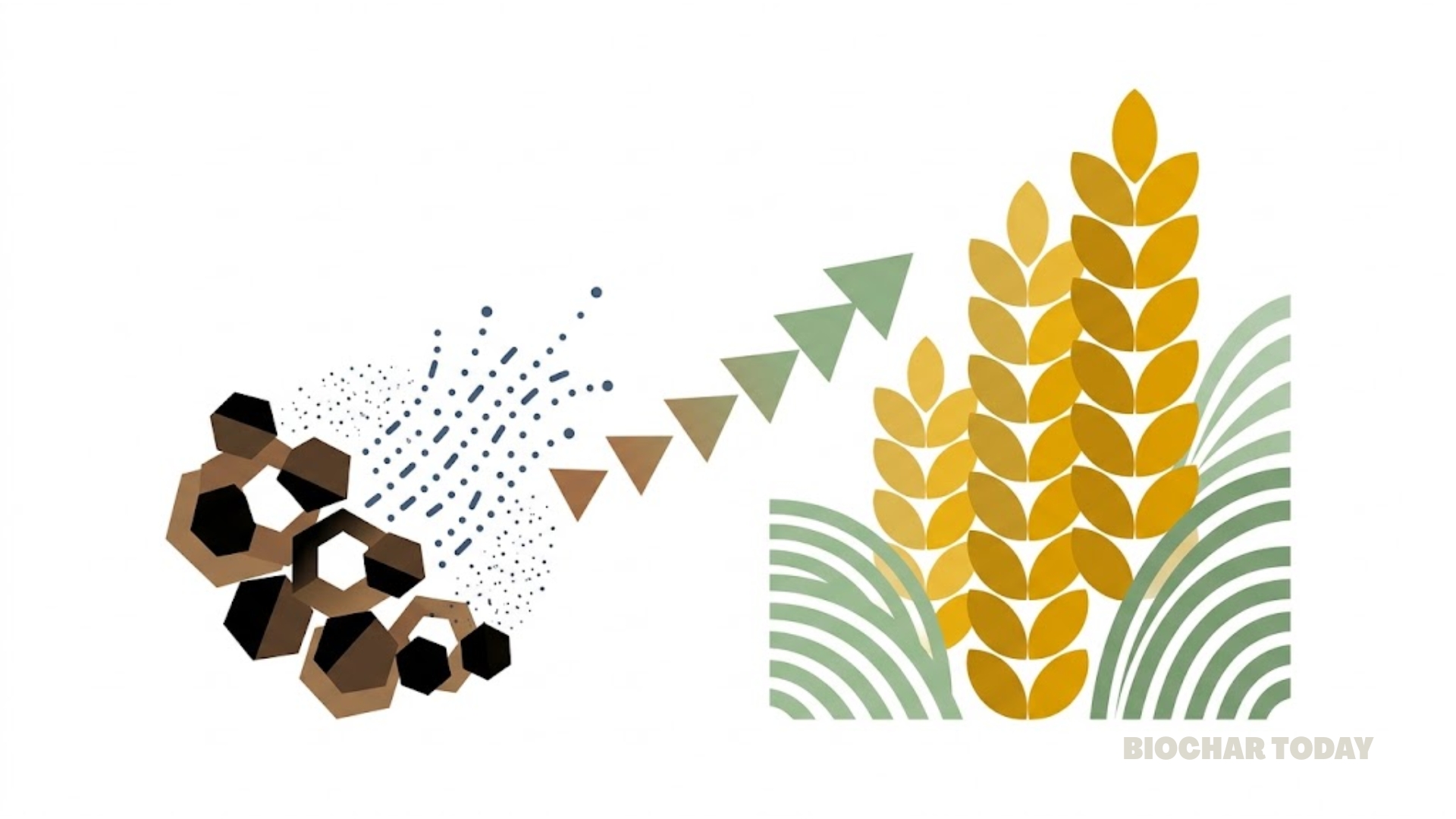
The review outlines several high-impact outcomes achievable through targeted soil management. The application of biochar was found to increase soil inorganic carbon by up to 28.3% while simultaneously reducing methane and nitrous oxide emissions. Similarly, transitioning from traditional to zero-tillage systems improves soil micro-aggregation and protects subsurface carbon from oxidation. Long-term agroforestry systems were also shown to be transformative, with some species increasing topsoil organic carbon by 42.5%. Ultimately, the study suggests that these fraction-sensitive strategies provide a scalable pathway for achieving global sustainability targets, including halting and reversing land degradation while strengthening food security.
Source: Yadav, M., Mittal, R., Kumari, A., Bhatia, A., Khatri, A., & Bhateria, R. (2025). Soil carbon fractions and their role in climate-resilient agriculture: A review. Sustainable Chemistry for Climate Action, 7, 100127.



Leave a Reply to Citros ChipetaCancel reply