
Key Takeaways
- Raw biocharBiochar is a carbon-rich material created from biomass decomposition in low-oxygen conditions. It has important applications in environmental remediation, soil improvement, agriculture, carbon sequestration, energy storage, and sustainable materials, promoting efficiency and reducing waste in various contexts while addressing climate change challenges. More isn’t very effective at capturing specific pollutants.
- Modifying biochar with iron (creating Fe-BC) turns it into a powerful, targeted material for environmental cleanup.
- The iron adds magnetism (for easy recovery) and creates reactive sites that trap, break down, or neutralize heavy metals (like arsenic and lead), dyes, and herbicides.
- Iron-modified biochar can be highly effective—removing over 94% of some herbicides —and costs almost 50% less than traditional activated carbonActivated carbon is a form of carbon that has been processed to create a vast network of tiny pores, increasing its surface area significantly. This extensive surface area makes activated carbon exceptionally effective at trapping and holding impurities, like a molecular sponge. It is commonly More while offering comparable performance
We have a pollution problem, and we’re in constant search of effective, affordable, and sustainable ways to clean it up. A promising solution may come from an unlikely source: agricultural waste. In a comprehensive review published in the journal Biochar X, researchers Yue Zhang, Hao Chen, and Shahidul Islam explore the growing potential of a material called biochar. Biochar – this ancient material is great for soil health and locking away carbon, the review explains that in its raw form, it often falls short as an environmental filter, showing a poor affinity for many common and dangerous contaminants
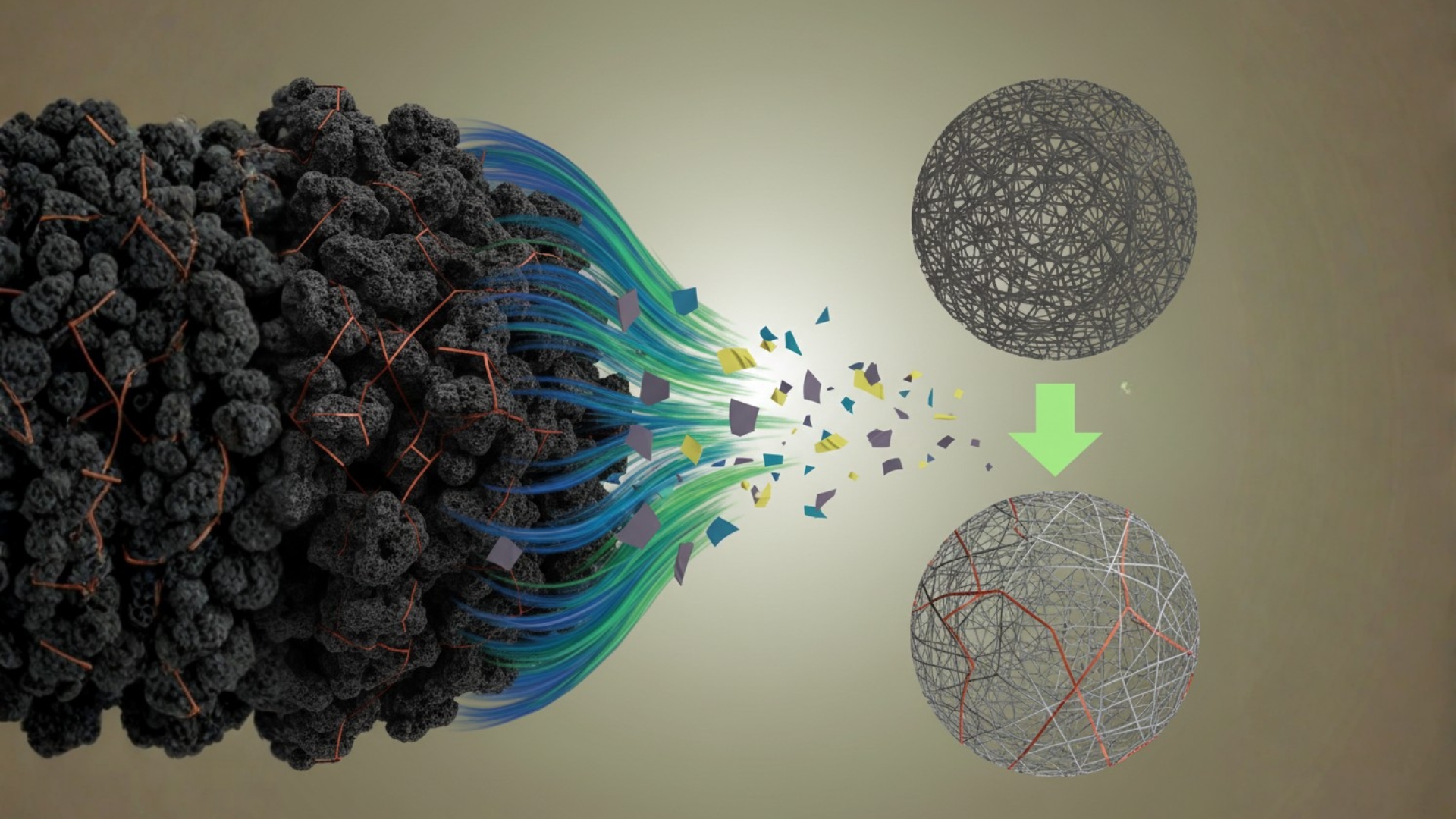
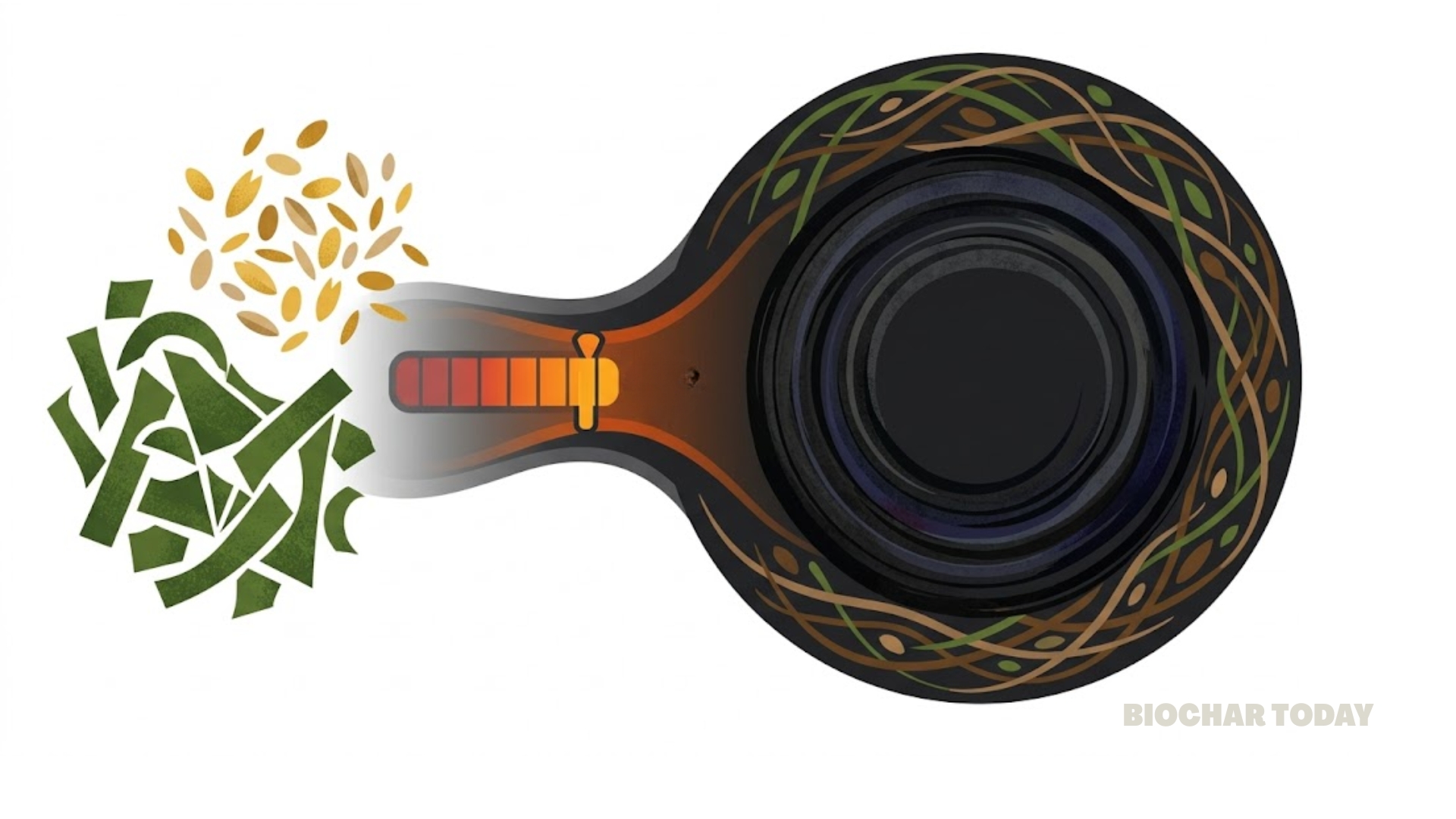
The review focuses on a powerful upgrade: adding iron. By modifying biochar with iron, scientists create “Fe-BC,” a material that transforms from a simple sponge into an active, multifunctional cleanup tool. This isn’t just a simple coating; it’s a fundamental enhancement. Methods like co-pyrolysis (mixing iron salts with the biomassBiomass is a complex biological organic or non-organic solid product derived from living or recently living organism and available naturally. Various types of wastes such as animal manure, waste paper, sludge and many industrial wastes are also treated as biomass because like natural biomass these More before heating) or post-pyrolysis impregnation (soaking the biochar in an iron solution) embed iron nanoparticles directly into the biochar’s structure. This modification does two critical things. First, it introduces redox-active sites, meaning the iron can chemically react with pollutants to make them less toxic. Second, it often makes the biochar magnetic, a huge practical advantage for separating it from water after it has done its job.
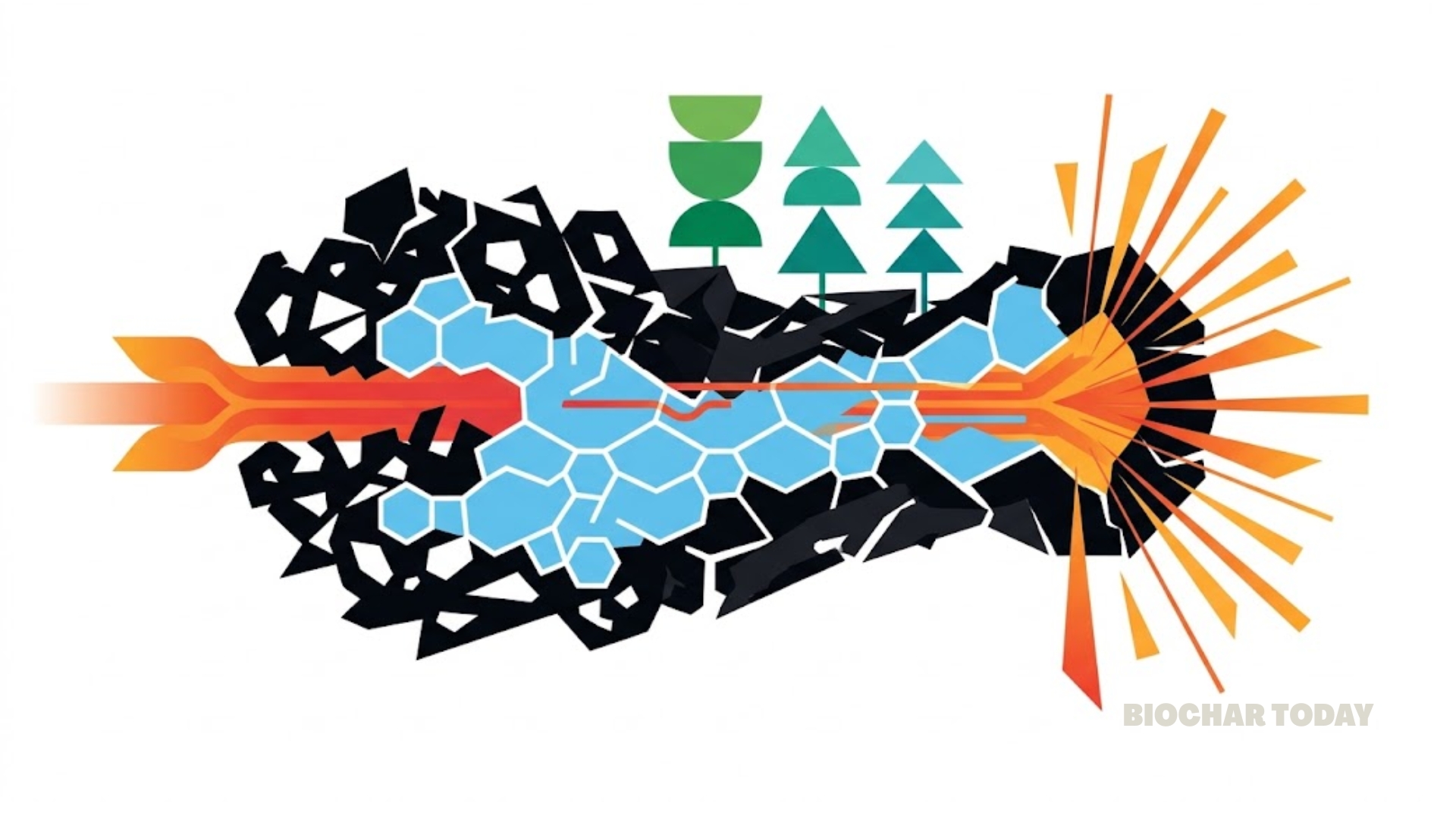
The results of this modification are striking. The review synthesizes findings showing that Fe-BC is exceptionally good at removing a wide range of pollutants. It has a strong binding affinity for heavy metals like arsenic, lead, and chromium, as well as anions like phosphate (a major cause of algal blooms). The iron works by multiple mechanisms: it can trap pollutants via adsorption, neutralize them through chemical reduction (for example, turning highly toxic chromium(VI) into the more stable and less harmful chromium(III)), and even catalyze reactions that destroy stubborn organic pollutants.
The authors highlight several studies that quantify this power. In one case, a biochar supported with zero-valent iron (a type of Fe-BC) was able to remove 96% of atrazine, a widely used herbicide, from soil. Another study found a similar Fe-phenol-modified biochar removed 94% of atrazine in just 30 minutes. This high efficiency is paired with a significant economic benefit. The review points out that modified biochar costs almost half as much as activated carbon—the current industry standard for filtration—while offering comparable adsorption capacity. It effectively turns low-cost agricultural waste into a high-value product that can outperform more expensive, traditional materials.
Of course, the technology is not a magic bullet. The authors are clear about the challenges that remain. More research is needed to ensure the long-term stability of these materials, confirm that the iron doesn’t leach back into the environment, and figure out how to scale up production from the lab to an industrial level. However, this review makes a strong case that iron-modified biochar is one of the most promising and practical technologies in the environmental remediation toolbox. It represents a true “circular economy” solution: taking agricultural waste that would otherwise be burned or landfilled and transforming it into a powerful tool to clean our water and soil.
Source: Zhang, Y., Chen, H., & Islam, S. (2025). Advances in biochar modification for environmental remediation with emphasis on iron functionalization. Biochar X, 1(e009).


Leave a Reply