
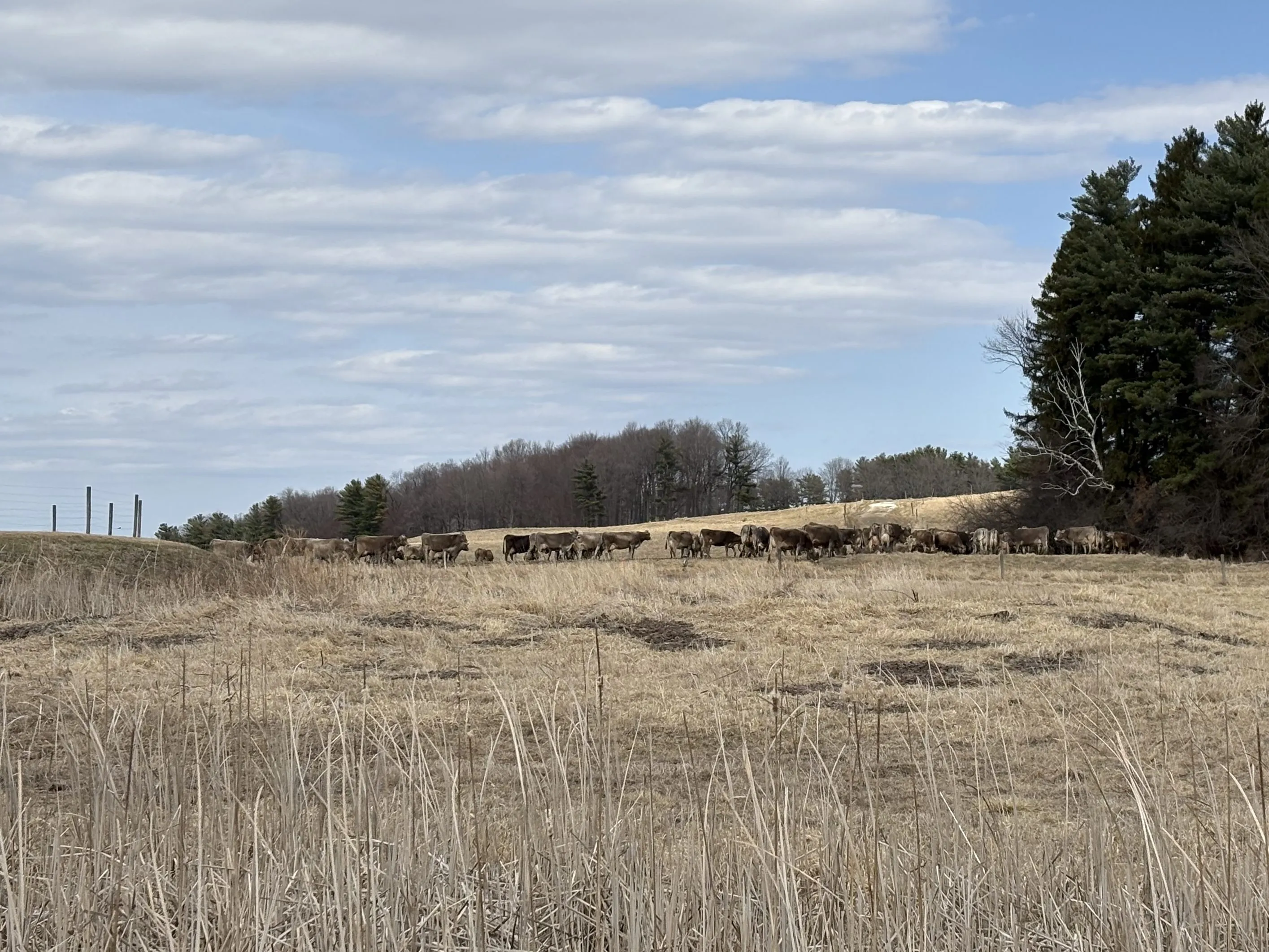
Shelburne Farms, a 1,400-acre working farm and education center in Vermont, is piloting the use of biocharBiochar is a carbon-rich material created from biomass decomposition in low-oxygen conditions. It has important applications in environmental remediation, soil improvement, agriculture, carbon sequestration, energy storage, and sustainable materials, promoting efficiency and reducing waste in various contexts while addressing climate change challenges. More in its dairy operations to explore strategies for methane mitigation. The project aligns with the farm’s broader climate initiative aimed at achieving net-zero emissions by 2028.
Biochar is applied to manure pits at the farm. While the farm has not yet produced conclusive emissions data, early anecdotal observations suggest the material reduces odors and may improve soil fertility when manure is later applied to fields.
Methane emissions are a key concern in Vermont, where agriculture accounts for over 16% of total greenhouse gas emissions. Methane, primarily emitted through enteric fermentation and manure management, is a potent greenhouse gas with significantly higher short-term warming potential than carbon dioxide.
According to Molly Webb, climate action advisor at Shelburne Farms, the initiative is part of a multipronged approach that includes reforestation, electrification of equipment, and educational outreach. The organization is also pursuing further research through a proposed partnership with the University of Vermont to study biochar’s effectiveness in emission reductions.
Shelburne Farms’ work highlights growing interest in nature-based and soil-focused climate solutions in the agricultural sector. Through workshops, field trials, and stakeholder engagement—such as the 2024 roundtable hosted with UVM Extension and the Northeast Climate Hub—the farm aims to contribute actionable insights to the broader conversation on climate resilience in working landscapes.
READ MORE: Shelburne Farms tests biochar’s potential to reduce methane emissions





Leave a Reply