
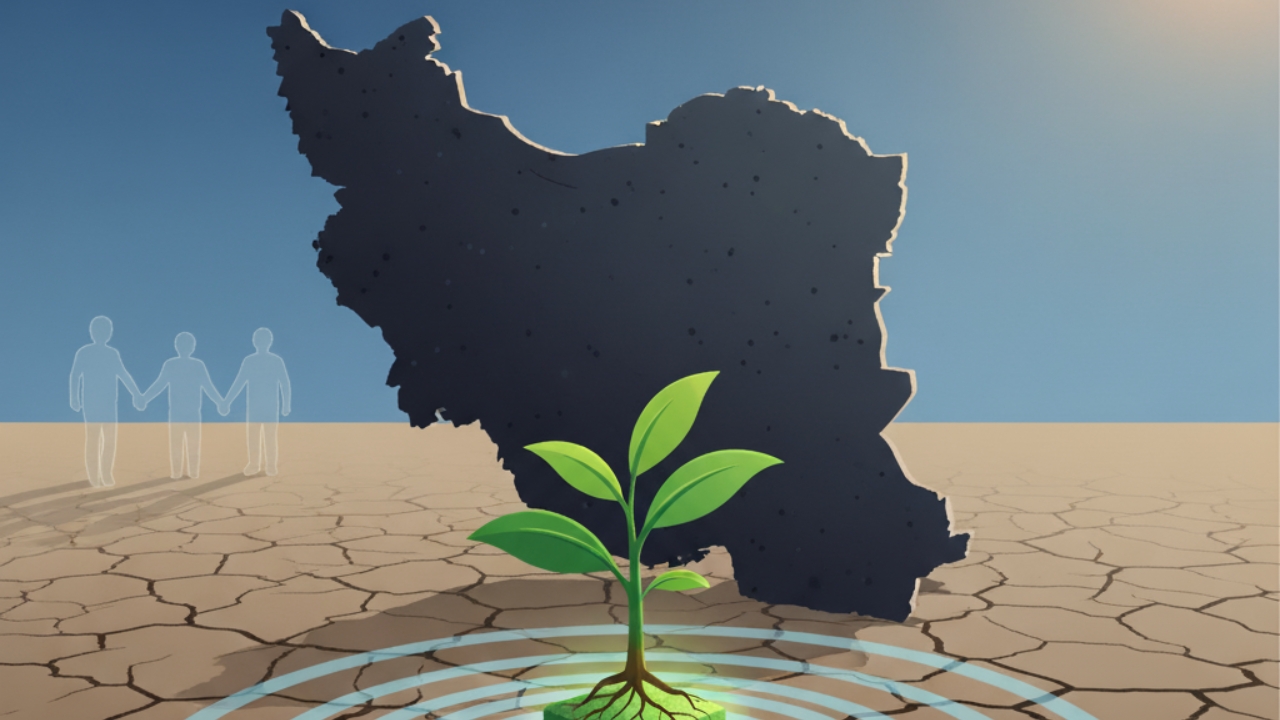
A severe and chronic water crisis is threatening the habitability of Iran’s central plateau, potentially leading to mass depopulation. This warning, issued by Ali Moridi of the Shahid Abbaspour University of Water and Power Industry, underscores a critical disconnect between scientific findings and government policy. To combat the accelerating effects of drought, groundwater depletion, and soil salinization, the university is championing a domestic biocharBiochar is a carbon-rich material created from biomass decomposition in low-oxygen conditions. It has important applications in environmental remediation, soil improvement, agriculture, carbon sequestration, energy storage, and sustainable materials, promoting efficiency and reducing waste in various contexts while addressing climate change challenges. More project as a vital national intervention. The initiative highlights biochar’s potential role in securing food and water stability for the nation, but emphasizes the immediate necessity of large-scale, country-wide implementation.
The core challenge confronting Iran is the catastrophic depletion of water resources, driven by an agricultural sector that consumes over 80% of the country’s water supply. This hydrological stress has intensified groundwater depletion and the subsequent salinization of drinking and irrigation water, particularly in southern provinces. The environmental decay has fueled significant rural migration toward cities, creating secondary social and infrastructure pressures. Moridi stressed that without drastically improving water use efficiency, this crisis will rapidly escalate into a national demographic emergency, making agricultural water optimization the single most critical intervention point.
The proposed technical solution pivots on deploying a new biochar technology developed by the Shahid Abbaspour University research team. This project focuses on converting available agricultural waste into a high-value soil amendmentA soil amendment is any material added to the soil to enhance its physical or chemical properties, improving its suitability for plant growth. Biochar is considered a soil amendment as it can improve soil structure, water retention, nutrient availability, and microbial activity. More. Biochar, known for its stability and high porosityPorosity of biochar is a key factor in its effectiveness as a soil amendment and its ability to retain water and nutrients. Biochar’s porosity is influenced by feedstock type and pyrolysis temperature, and it plays a crucial role in microbial activity and overall soil health. Biochar More, is applied to farm fields to significantly enhance soil water-holding capacity. By improving the functional qualities of agricultural soils, the application aims to minimize runoff and evaporation losses, thereby achieving the substantial reductions in irrigation volumes required by the farming sector. This approach offers a two-fold benefit: sustainable waste management and critical water conservation.
The explicit goal is the necessary reduction in agricultural water use required for national stability. While current success is confined to the laboratory, the projected outcome of national deployment is the restoration of hydrological balance and the stemming of migration from the central plateau. This situation provides a crucial lesson for the global biochar industry: cross-sector integration is paramount. The Iranian case illustrates that scientific success is insufficient; policymakers and industry must actively collaborate with academia to translate proven soil technology into national water security policy, framing biochar as a strategic resource management tool for arid regions.





Leave a Reply