

In a world witnessing rapid industrialization and urbanization, water pollution poses a significant challenge. Synthetic organic dyes, particularly Rhodamine B, contribute substantially to this issue, with industries like textiles being major contributors. Rhodamine B, widely used in the textile sector, not only contaminates water but also poses health risks due to its toxic nature. Various methods have been explored for its removal, with adsorption emerging as a cost-effective and environmentally friendly approach.
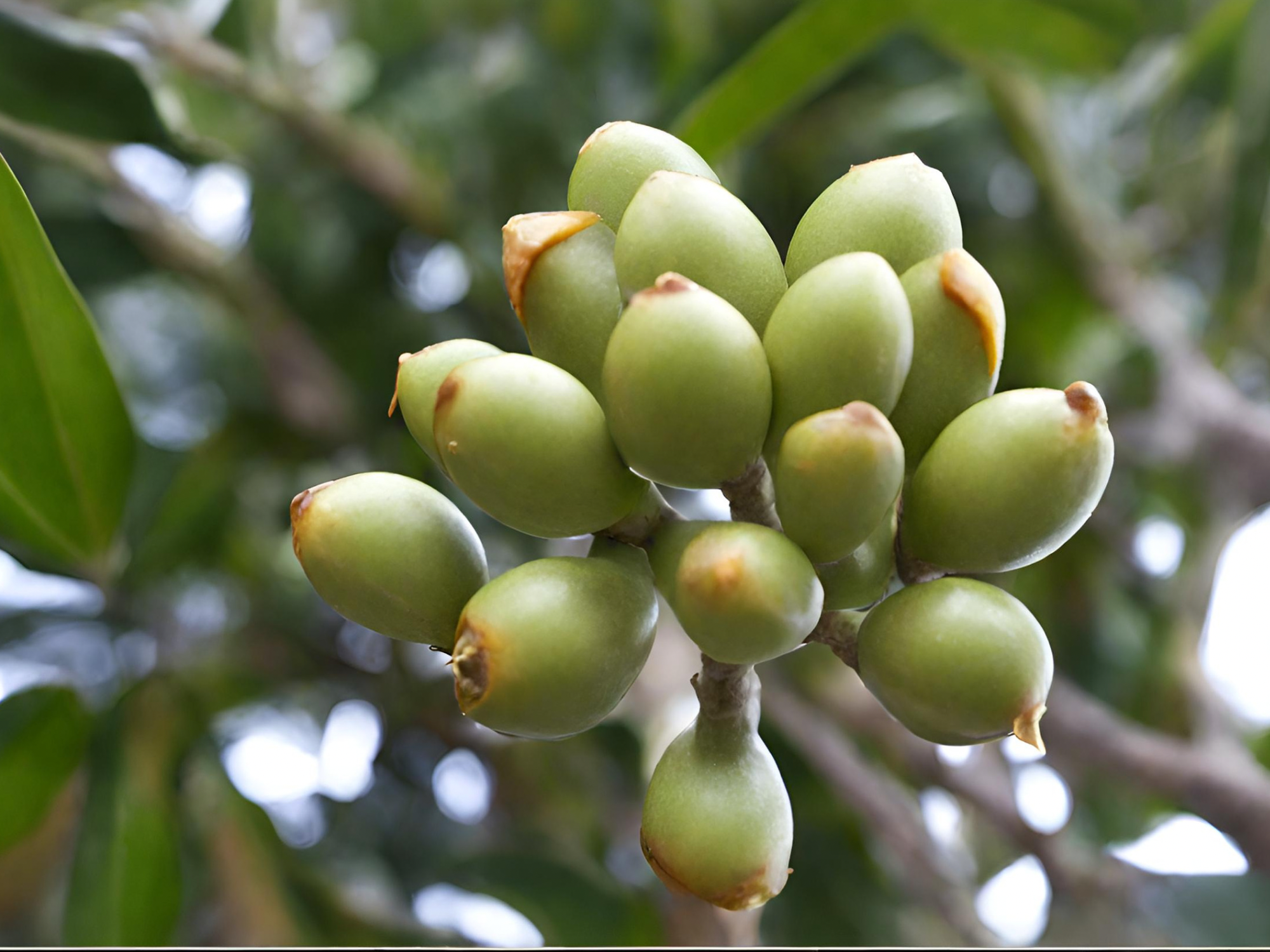
A recent study investigates the potential of Calophyllum inophyllum seed char as an effective bio-adsorbent for Rhodamine B dye removal. The char, prepared through slow pyrolysisPyrolysis is a thermochemical process that converts waste biomass into bio-char, bio-oil, and pyro-gas. It offers significant advantages in waste valorization, turning low-value materials into economically valuable resources. Its versatility allows for tailored products based on operational conditions, presenting itself as a cost-effective and efficient More, exhibited mesoporous and nanostructured properties, making it a promising candidate for adsorption. The study systematically optimized various parameters such as solution pHpH is a measure of how acidic or alkaline a substance is. A pH of 7 is neutral, while lower pH values indicate acidity and higher values indicate alkalinity. Biochars are normally alkaline and can influence soil pH, often increasing it, which can be beneficial More, adsorbent dosage, and temperature to achieve maximum dye removal efficiency.
The research found that the char achieved a remarkable 95.5% removal of Rhodamine B dye under optimized conditions. Adsorption isotherm and kinetics studies revealed favorable adsorption behavior, with Langmuir adsorption isotherm and pseudo 2nd order kinetics being observed. Thermodynamic analysis indicated the spontaneity and endothermic nature of the adsorption process.
The study concludes that Calophyllum inophyllum seed char holds significant potential as an efficient adsorbent for Rhodamine B dye removal. Its mesoporous structure, coupled with its ability to be regenerated and reused for multiple cycles, makes it a sustainable solution for environmental remediation. Further research in this direction could lead to the development of cost-effective and eco-friendly water treatment technologies, addressing the global challenge of dye pollution effectively.



Leave a Reply