
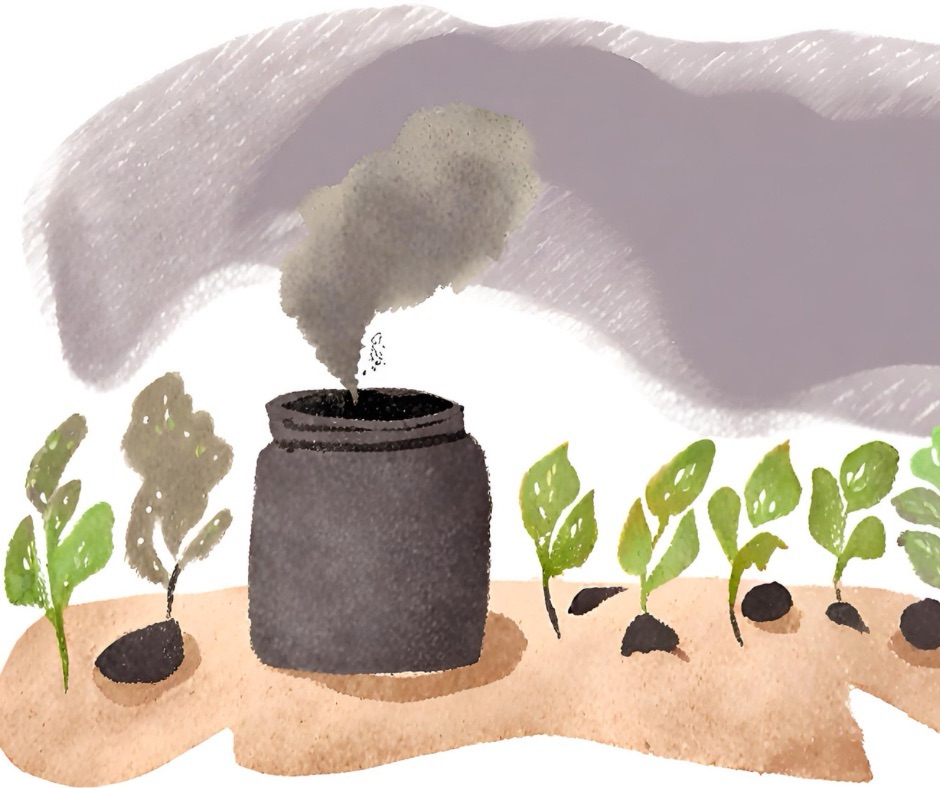

In the quest for cleaner energy alternatives, the study dives into the synergy behavior of biomassBiomass is a complex biological organic or non-organic solid product derived from living or recently living organism and available naturally. Various types of wastes such as animal manure, waste paper, sludge and many industrial wastes are also treated as biomass because like natural biomass these More and coal co-combustion. As coal remains a dominant energy source in China, the research investigates the interaction between rice straw char and coal char, shedding light on the transformation of alkali and alkaline earth metals (AAEMs) during the co-combustion process.
The study reveals a temperature-dependent synergistic effect, with an optimal point at 600 °C. Notably, pretreated blends exhibit enhanced synergistic effects due to the transformation of HCl-soluble K in rice straw, catalyzing semi-char reactions. The catalytic activity of KCl in rice straw proves more effective than active Na/Ca in coal, emphasizing the importance of feedstockFeedstock refers to the raw organic material used to produce biochar. This can include a wide range of materials, such as wood chips, agricultural residues, and animal manure. More type.
Acknowledging the environmental concerns associated with coal combustion, the research emphasizes the potential of biomass as a renewable alternative. The co-combustion technology, widely applied in Asia, presents a harmonious blend of coal and biomass, providing a balance in supply, utilization, and environmental benefits.
The study explores factors influencing AAEMs migration and transformation, such as feedstock type, blended ratio, and reaction time. It highlights the need for a comprehensive understanding of co-combustion synergy mechanisms to pave the way for efficient and clean energy solutions. Through thermodynamic simulations and experimental methods, the research contributes valuable insights towards sustainable energy practices, offering a glimpse into a future where biomass and coal synergize for a cleaner energy landscape.





Leave a Reply