
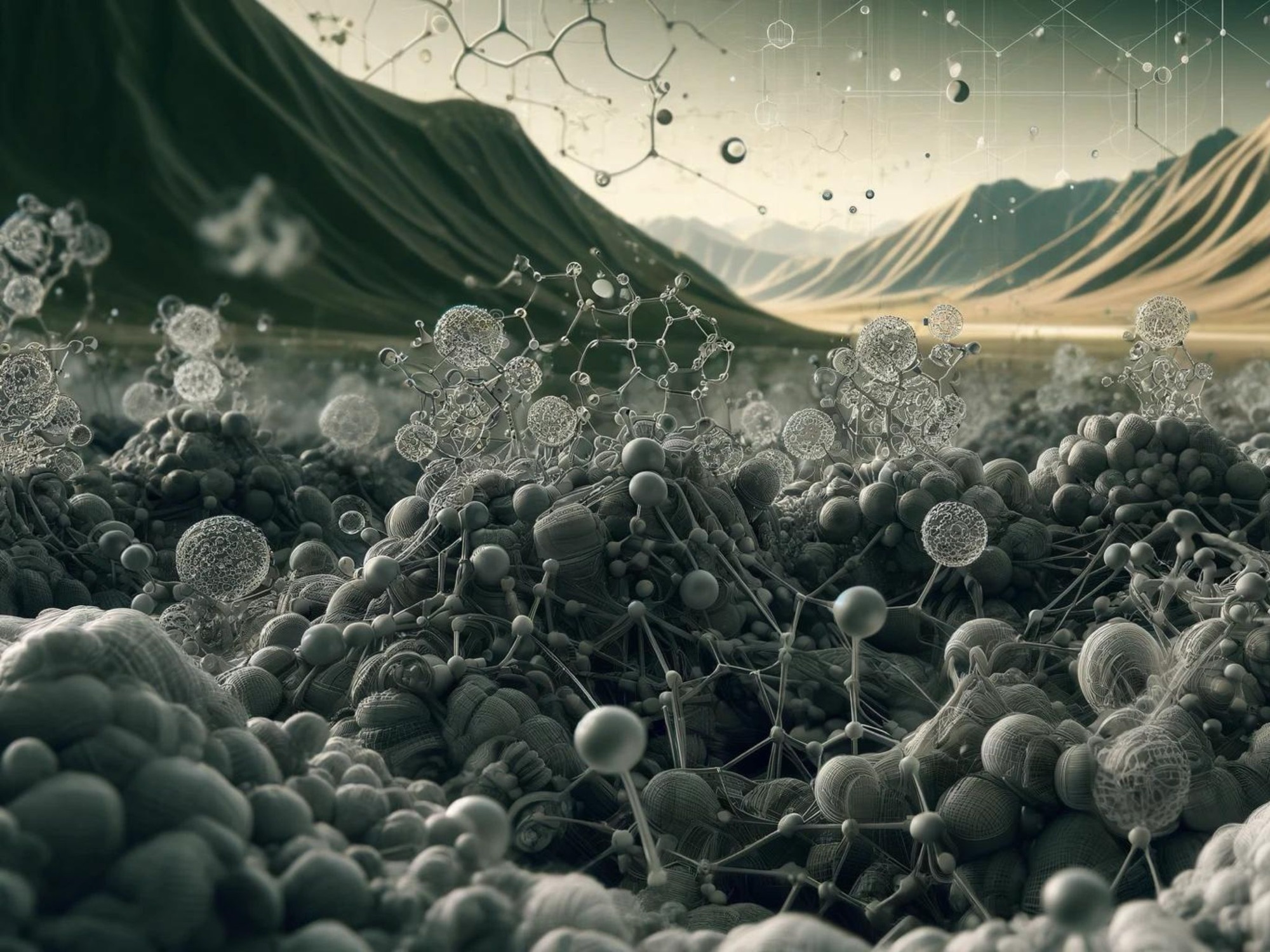
Ngambia, et al (2024) Development of biocharBiochar is a carbon-rich material created from biomass decomposition in low-oxygen conditions. It has important applications in environmental remediation, soil improvement, agriculture, carbon sequestration, energy storage, and sustainable materials, promoting efficiency and reducing waste in various contexts while addressing climate change challenges. More molecular models with controlled porosityPorosity of biochar is a key factor in its effectiveness as a soil amendment and its ability to retain water and nutrients. Biochar’s porosity is influenced by feedstock type and pyrolysis temperature, and it plays a crucial role in microbial activity and overall soil health. Biochar More. BiomassBiomass is a complex biological organic or non-organic solid product derived from living or recently living organism and available naturally. Various types of wastes such as animal manure, waste paper, sludge and many industrial wastes are also treated as biomass because like natural biomass these More & Bioenergy. https://doi.org/10.1016/j.biombioe.2024.107199
In recent research, scientists have made significant strides in developing molecular models of biochar, a carbon-rich material with a myriad of environmental applications, including carbon sequestration, soil enhancement, and pollution remediation. Despite its potential, a lack of detailed understanding of biochar’s molecular structure and how it relates to its functionality has hindered progress in its application. Building on the methodology introduced by Wood et al. (2023), this study presents an advanced approach for constructing molecular models of biochar, focusing on controlling microporosity (pores smaller than 2 nm) to more accurately reflect the properties of woody biochars produced at high temperatures.
The models successfully replicate various experimental measures such as H/C and O/C atomic ratios, aromaticity, density, porosity, and pore size distribution, offering a detailed insight into the structural elements that support microporosity in biochars. This breakthrough facilitates a deeper understanding of the chemical structures crucial for biochar’s assembly and functionality, thereby enabling a more systematic approach to biochar development.
By sharing the developed molecular models and the steps taken in their construction, the researchers aim to provide a valuable resource for others in the field, promoting further investigation and application of biochars. This work underscores the importance of molecular modeling in bridging the gap between experimental observations and molecular structure, paving the way for the tailored production of biochar for specific environmental applications.



Leave a Reply