
Wang, et al (2024) Global meta-analysis and machine learning reveal the critical role of soil properties in influencing biochar-pesticide interactions. Environmental International. https://doi.org/10.1016/j.envint.2024.109131
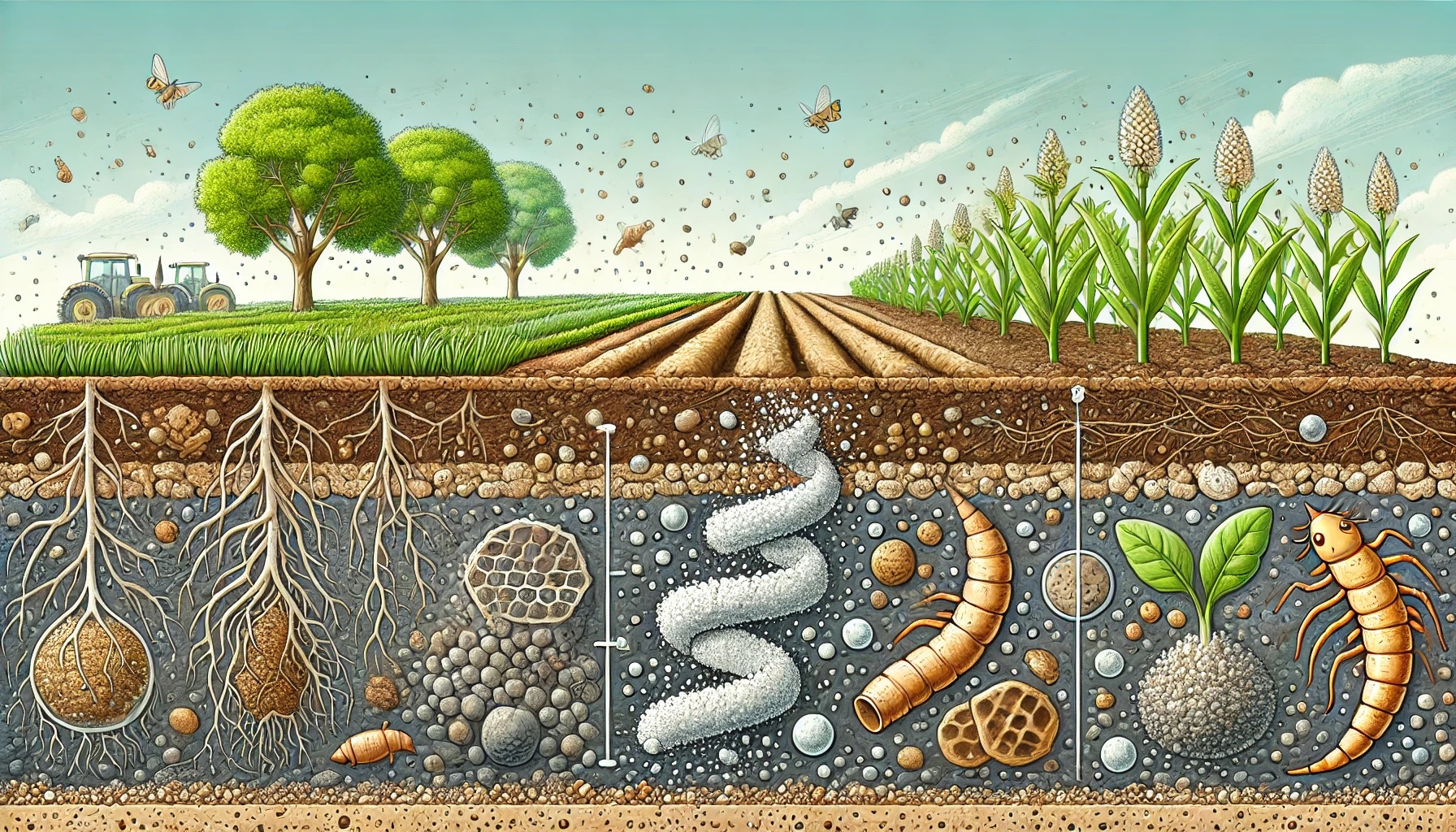
BiocharBiochar is a carbon-rich material created from biomass decomposition in low-oxygen conditions. It has important applications in environmental remediation, soil improvement, agriculture, carbon sequestration, energy storage, and sustainable materials, promoting efficiency and reducing waste in various contexts while addressing climate change challenges. More, a carbon-rich soil amendmentA soil amendment is any material added to the soil to enhance its physical or chemical properties, improving its suitability for plant growth. Biochar is considered a soil amendment as it can improve soil structure, water retention, nutrient availability, and microbial activity. More, is increasingly used to boost agricultural productivity and reduce carbon emissions. However, its impact on pesticide behavior in soil has raised environmental concerns. A recent global meta-analysis, incorporating data from 58 studies and machine learning, sheds light on this issue.
The study analyzed 386 observations to determine how biochar affects pesticide persistence in soil and bioavailability to organisms. It found no definitive increase in pesticide concentrations in soils amended with biochar. Instead, pesticide levels in soil organisms, including plants and earthworms, were reduced by 66%, indicating biochar’s potential to mitigate bioaccumulation risks.
Soil properties, particularly organic matter content, were critical in shaping biochar-pesticide interactions. High organic matter soils showed reduced pesticide persistence, while alkaline soils or those with low organic matter were more likely to retain pesticides. Biochar properties such as surface area and feedstockFeedstock refers to the raw organic material used to produce biochar. This can include a wide range of materials, such as wood chips, agricultural residues, and animal manure. More material also influenced outcomes, with lignocellulosic biochar increasing soil pesticide retention, and higher pyrolysisPyrolysis is a thermochemical process that converts waste biomass into bio-char, bio-oil, and pyro-gas. It offers significant advantages in waste valorization, turning low-value materials into economically valuable resources. Its versatility allows for tailored products based on operational conditions, presenting itself as a cost-effective and efficient More temperatures enhancing pesticide degradation.
The findings provide a nuanced perspective. While biochar generally reduces pesticide uptake by organisms, its effects on soil residues vary with environmental and material factors. This highlights the importance of tailored biochar applications to balance soil health and environmental protection.
Future research should focus on long-term field studies to better understand biochar’s interactions under real-world agricultural conditions. These insights could guide sustainable practices for integrating biochar and pesticides in farming systems.



Leave a Reply