
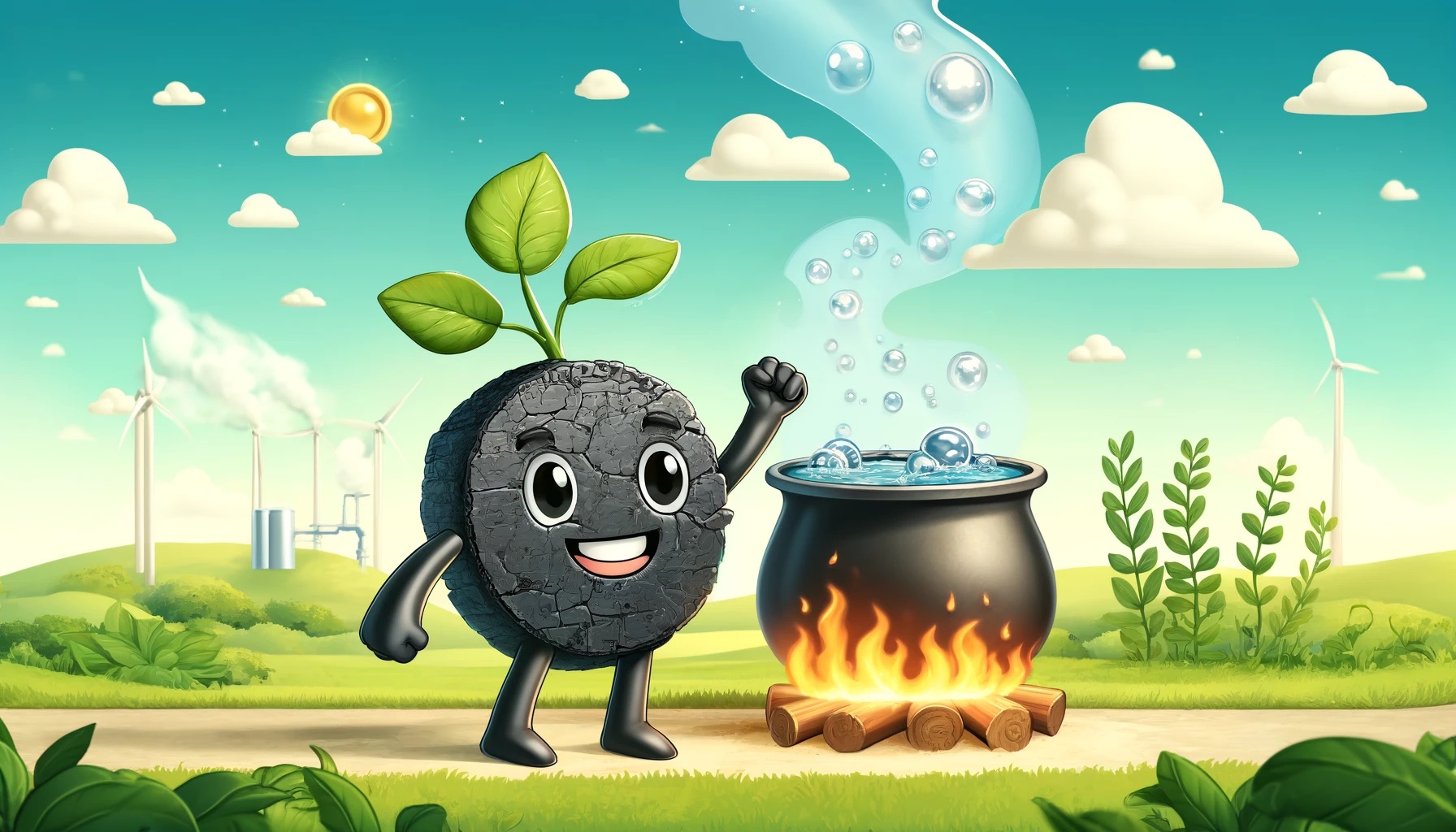

Imagine turning everyday waste into valuable resources. This is the magic of a new process that combines pyrolysisPyrolysis is a thermochemical process that converts waste biomass into bio-char, bio-oil, and pyro-gas. It offers significant advantages in waste valorization, turning low-value materials into economically valuable resources. Its versatility allows for tailored products based on operational conditions, presenting itself as a cost-effective and efficient More, activation, and nitrogen doping to transform biomass into high-value biochar and hydrogen-rich gas. Researchers have discovered that by heating biomass with potassium hydroxide (KOH) and ammonia (NH3) at temperatures between 500-800°C, we can efficiently produce both materials simultaneously.
This innovative method leverages the synergistic effects of KOH and NH3. As KOH opens up pores in the biochar, NH3 moves in, enhancing these pores and converting oxygen-containing groups into nitrogen-containing ones. The result? A biochar with a record surface area of 2008.37 m2/g and nitrogen content of 5.05%, making it an excellent candidate for use in soil enhancement, pollutant adsorptionBiochar has a remarkable ability to attract and hold onto pollutants, like heavy metals and organic chemicals. This makes it a valuable tool for cleaning up contaminated soil and water. More, and catalysis.
But that’s not all. The process also yields hydrogen gas in impressive amounts, with a concentration of 56.67% and a yield of 517.95 mL/g. Hydrogen, a clean and powerful energy source, could play a crucial role in our sustainable energy future.
This method is a significant leap forward because it combines three complex steps into one streamlined process, reducing time and energy consumption. By making the most out of biomass—renewable plant material—we’re not only finding new uses for waste but also contributing to a greener planet. This approach promises to be a game-changer in the realm of sustainable energy and resource management.



Leave a Reply