


Cadmium (Cd) contamination is a major challenge in agricultural soils, especially in heavily industrialized areas. A recent study explored an innovative solution: transforming silkworm excrement into biochar to mitigate Cd pollution while supporting mulberry cultivation.
Silkworm excrement (SE) biochar was evaluated for its ability to neutralize soil acidity, enhance soil quality, and immobilize Cd, making it less available to plants. Researchers tested two types of SE biochar—one from Cd-free SE and another from Cd-contaminated SE—through soil incubation and mulberry growth experiments.
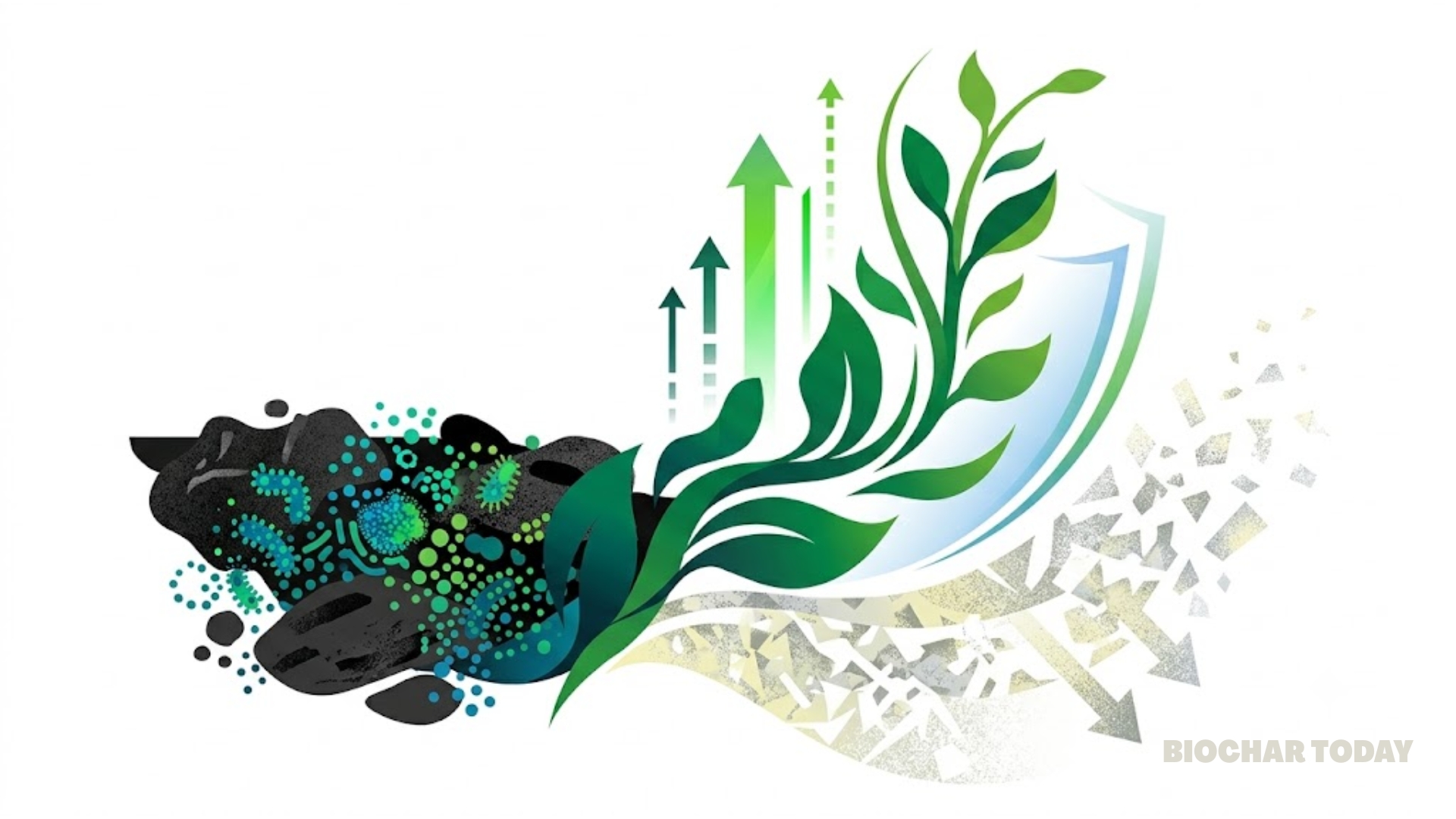
Key findings revealed that both biochars significantly increased soil pHpH is a measure of how acidic or alkaline a substance is. A pH of 7 is neutral, while lower pH values indicate acidity and higher values indicate alkalinity. Biochars are normally alkaline and can influence soil pH, often increasing it, which can be beneficial More and cation exchange capacity (CEC), essential for reducing Cd’s mobility. Additionally, biochar application improved mulberry growth by enhancing leaf quality, including increased protein and chlorophyll content. Importantly, the biochars reduced Cd levels in mulberry roots, stems, and leaves, safeguarding the crop for silk production.
Interestingly, the biochar made from Cd-contaminated SE performed comparably to the Cd-free version in immobilizing Cd and improving soil properties. This suggests that pyrolysis—a process that converts organic materials into biochar at high temperatures—can stabilize heavy metals in the biochar, reducing their toxicity.
The study proposes integrating this approach into sericulture systems, particularly in areas with Cd-polluted farmland. This method not only addresses waste management challenges but also promotes sustainable land use by enabling mulberry and silkworm production in contaminated soils. Further research is needed to refine the method and assess long-term environmental impacts.



Leave a Reply