
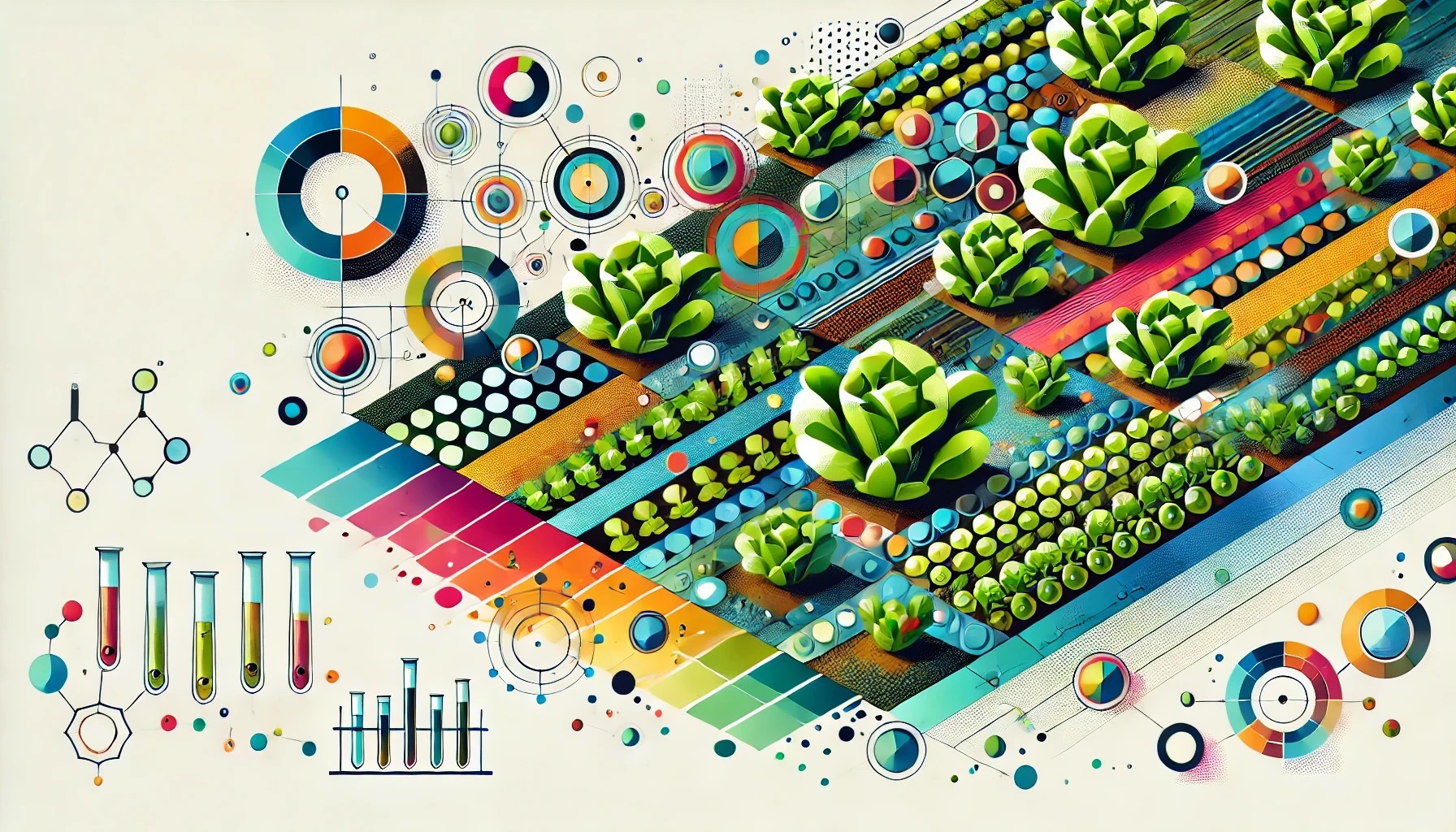
Zhou, et al (2024) Effects of Applying BiocharBiochar is a carbon-rich material created from biomass decomposition in low-oxygen conditions. It has important applications in environmental remediation, soil improvement, agriculture, carbon sequestration, energy storage, and sustainable materials, promoting efficiency and reducing waste in various contexts while addressing climate change challenges. More on Soil Cadmium Immobilisation and Cadmium Pollution Control in Lettuce (Lactuca sativa L.). Agriculture. https://doi.org/10.3390/agriculture14071068
Biochar, a carbon-rich material derived from the pyrolysisPyrolysis is a thermochemical process that converts waste biomass into bio-char, bio-oil, and pyro-gas. It offers significant advantages in waste valorization, turning low-value materials into economically valuable resources. Its versatility allows for tailored products based on operational conditions, presenting itself as a cost-effective and efficient More of biomassBiomass is a complex biological organic or non-organic solid product derived from living or recently living organism and available naturally. Various types of wastes such as animal manure, waste paper, sludge and many industrial wastes are also treated as biomass because like natural biomass these More, has shown promise in addressing soil contamination, particularly with cadmium (Cd). This study explored the effectiveness of corn, rice, and wheat straw biochar in immobilizing Cd in soil and enhancing the growth and safety of lettuce (Lactuca sativa L.).
The study utilized soil contaminated with 10 mg/kg of Cd and tested the effects of biochar at different application rates (1%, 3%, and 5%). Key findings revealed that all three types of biochar effectively increased soil pHpH is a measure of how acidic or alkaline a substance is. A pH of 7 is neutral, while lower pH values indicate acidity and higher values indicate alkalinity. Biochars are normally alkaline and can influence soil pH, often increasing it, which can be beneficial More, electrical conductivity, and cation exchange capacity, which are crucial for reducing Cd availability. The application of biochar significantly decreased the available Cd in soil, with corn straw biochar showing the highest reduction rate. Specifically, the addition of 5% corn straw biochar reduced the soil Cd availability by 32% and decreased the Cd content in lettuce leaves by 49.78% compared to the control group without biochar treatment .
In terms of plant growth, biochar amendments enhanced lettuce height and fresh weight, with corn straw biochar again performing the best. At a 5% application rate, corn straw biochar increased lettuce plant height by 25.56% and fresh weight by 31.31% compared to the control group. These improvements are attributed to biochar’s ability to modify soil properties, providing a better growth environment for lettuce .
This study underscores the potential of straw biochar, particularly corn straw biochar, in mitigating soil Cd contamination and promoting healthier crop production. The results offer a practical solution for managing contaminated soils and improving food safety in agricultural practices .



Leave a Reply