

In an innovative study, researchers have developed a highly effective nitrogen-doped biochar derived from lotus pollen, demonstrating significant potential for water purification technologies. This new material, referred to as N-LPC, showcases an impressive nitrogen content of 15.75 atomic percent, making it a robust catalyst in activating peroxymonosulfate (PMS) to degrade harmful organic pollutants in water.
The effectiveness of N-LPC was highlighted through its ability to rapidly break down various pollutants like reactive black 5, atrazine, ketoprofen, and p-nitrophenol, achieving over 90% removal efficiency within just 20 minutes. This high performance is maintained across a broad pHpH is a measure of how acidic or alkaline a substance is. A pH of 7 is neutral, while lower pH values indicate acidity and higher values indicate alkalinity. Biochars are normally alkaline and can influence soil pH, often increasing it, which can be beneficial More range from 2.0 to 10.5, showcasing the versatility of N-LPC in different environmental conditions.
Researchers also proposed a detailed kinetic model to better understand the degradation process, which follows a two-stage reaction involving an initial rapid oxidation followed by a slower phase. This model fits the experimental data excellently, suggesting that the kinetics of pollutant degradation are well understood and can be predicted reliably in the N-LPC/PMS system.
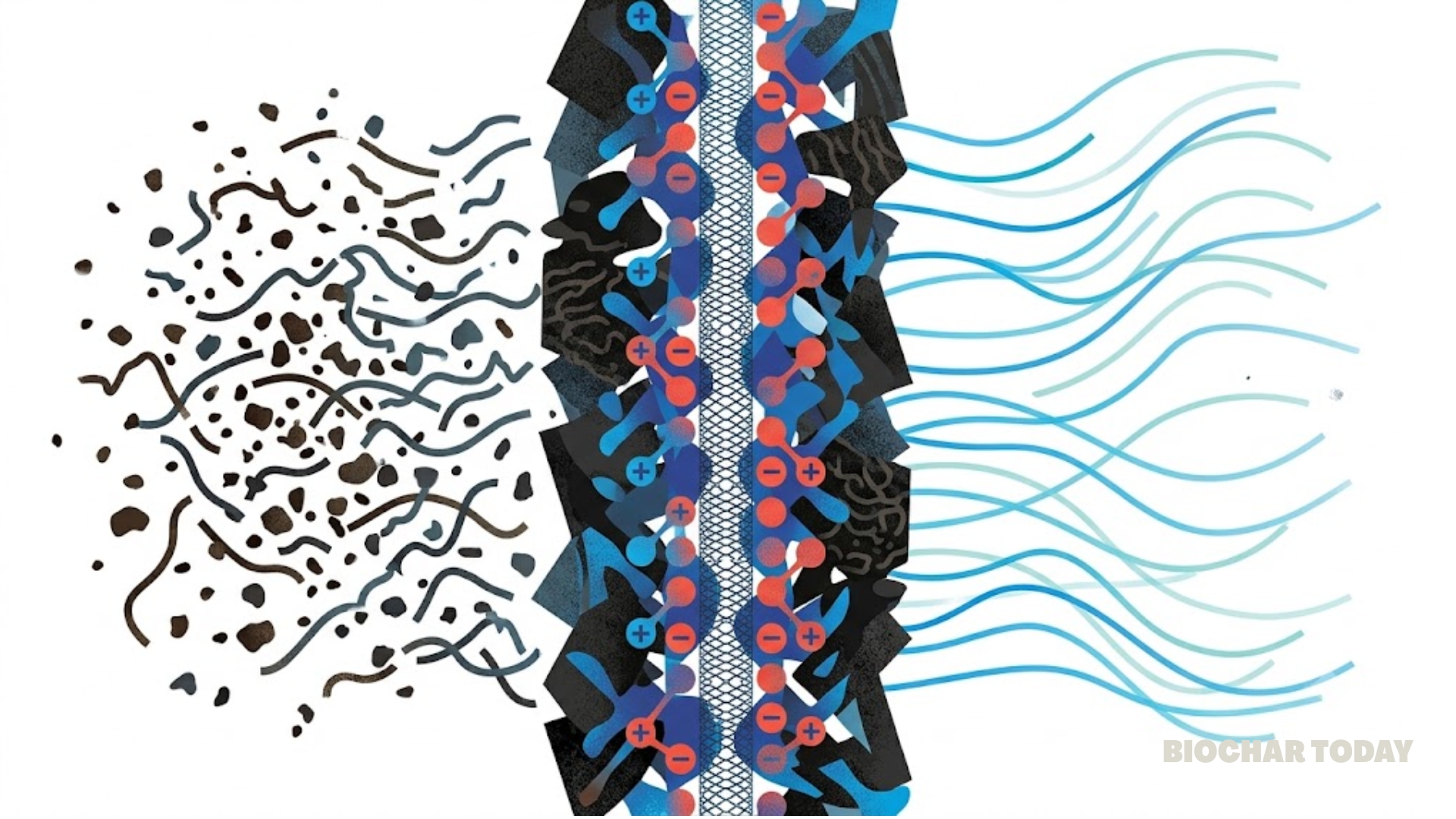
Further investigations into the mechanisms of PMS activation revealed that N-LPC promotes the generation of various reactive oxygen species, facilitating the breakdown of pollutants through both electron transfer pathways and the activation of specific active sites on the biochar.
This study not only highlights the practical applications of nitrogen-doped biochar in treating water pollution but also provides a deep insight into the dynamic processes at play. It marks a significant step forward in the development of sustainable and efficient water treatment technologies, using readily available materials like lotus pollen and melamine, which offer a low-cost, high-performance solution to one of the most pressing environmental issues of our time.




Leave a Reply