
SOURCE: Mohineeta Pandey, Astha Tirkey, AnkeshTiwari, Sang Soo Lee, Ki-Hyun Kim, Rashmi Dubey & Sudhir Kumar Pandey(2024) Biosolid amendment, toxicity, and management through biocharBiochar is a carbon-rich material created from biomass decomposition in low-oxygen conditions. It has important applications in environmental remediation, soil improvement, agriculture, carbon sequestration, energy storage, and sustainable materials, promoting efficiency and reducing waste in various contexts while addressing climate change challenges. More in soil-vegetable systems: a review,Toxicological & Environmental Chemistry, DOI: 10.1080/02772248.2024.2302127
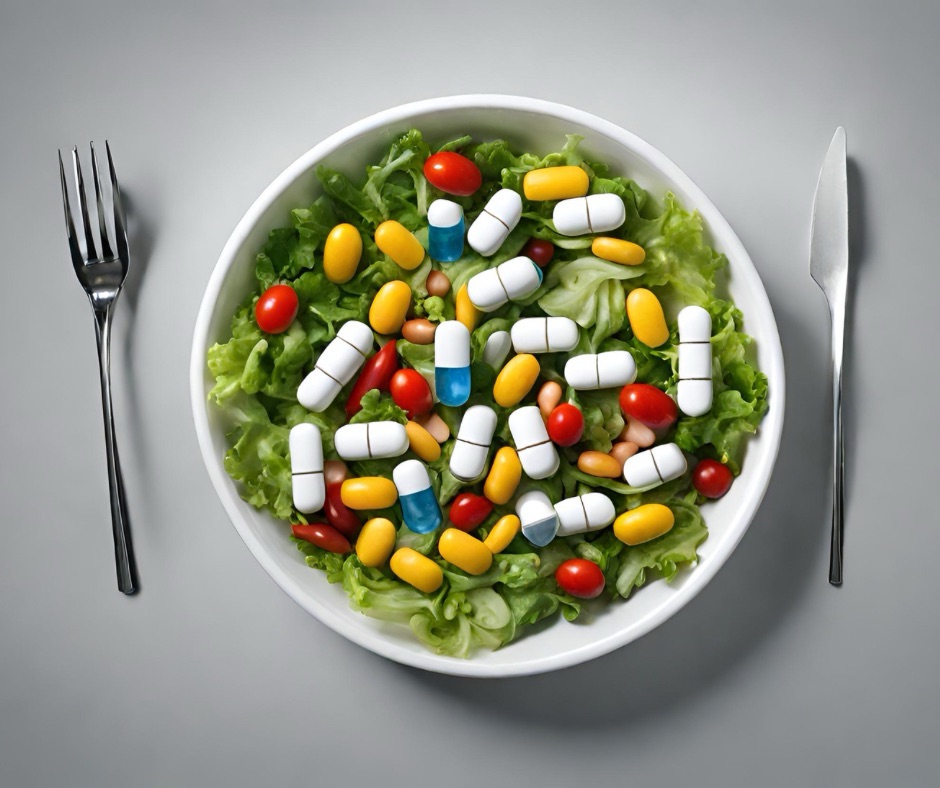
Imagine popping a pill, then it magically reappearing in your salad! Sounds bizarre, right? Yet, pharmaceuticals and personal care products (PPCPs) like antibiotics and lotions are increasingly found in our food thanks to biosolids. Biosolids, treated wastewater byproducts, are used as fertilizer, inadvertently delivering these hidden contaminants to soil and vegetables.
While essential for agricultural productivity, biosolids pose a potential health risk due to lingering PPCPs. These chemicals can disrupt ecosystems and pose threats like antibiotic resistance. So, how do we keep our food safe? Enter biochar – a charcoal-like substance derived from organic matter like biosolids.
Biochar, like a sponge, adsorbs PPCPs, reducing their harmful effects. Studies show it can significantly decrease contamination in soil-vegetable systems. Biochar derived from biosolids itself closes the loop, creating a sustainable solution.
However, research is still in its early stages. We need more data on biochar’s effectiveness with different PPCPs and soil types. Additionally, long-term impacts on soil health and potential leachingLeaching is the process where nutrients are dissolved and carried away from the soil by water. This can lead to nutrient depletion and environmental pollution. Biochar can help reduce leaching by improving nutrient retention in the soil. More of contaminants require further investigation.
The future of clean food lies in innovation. By harnessing the power of biochar, we can minimize PPCP contamination, ensuring our veggies remain healthy and free of invisible threats. Let’s continue exploring this promising solution to safeguard our food, our health, and our planet.



Leave a Reply