
Handiso, et al (2024) Effect of pyrolysisPyrolysis is a thermochemical process that converts waste biomass into bio-char, bio-oil, and pyro-gas. It offers significant advantages in waste valorization, turning low-value materials into economically valuable resources. Its versatility allows for tailored products based on operational conditions, presenting itself as a cost-effective and efficient More temperature on the physical and chemical characteristics of pine wood biocharBiochar is a carbon-rich material created from biomass decomposition in low-oxygen conditions. It has important applications in environmental remediation, soil improvement, agriculture, carbon sequestration, energy storage, and sustainable materials, promoting efficiency and reducing waste in various contexts while addressing climate change challenges. More. Waste Management Bulletin. https://doi.org/10.1016/j.wmb.2024.11.008
Biochar, a carbon-rich material derived from biomassBiomass is a complex biological organic or non-organic solid product derived from living or recently living organism and available naturally. Various types of wastes such as animal manure, waste paper, sludge and many industrial wastes are also treated as biomass because like natural biomass these More, is gaining attention for its applications in water purification and soil improvement. A recent study explored how varying pyrolysis temperatures influence the physical and chemical characteristics of biochar produced from pine wood.
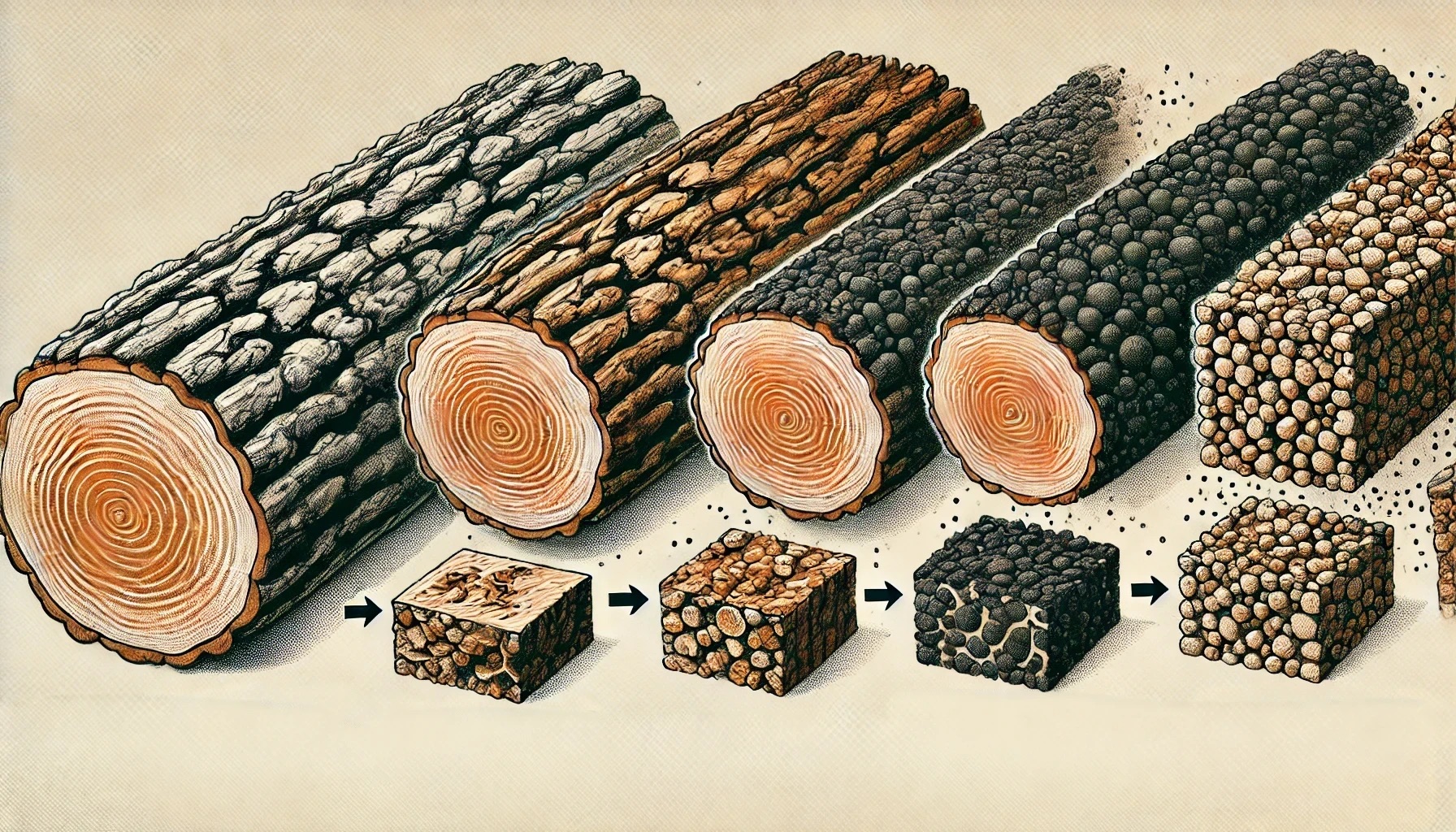
The research used slow pyrolysis at temperatures ranging from 300°C to 800°C. As temperature increased, biochar yield decreased, with significant reductions observed between 300°C and 450°C due to the breakdown of biomass components like hemicellulose and cellulose. The yield dropped from 49.7% at 300°C to 19.75% at 800°C, reflecting greater carbonization at higher temperatures.
Higher pyrolysis temperatures enhanced biochar’s surface area and porosityPorosity of biochar is a key factor in its effectiveness as a soil amendment and its ability to retain water and nutrients. Biochar’s porosity is influenced by feedstock type and pyrolysis temperature, and it plays a crucial role in microbial activity and overall soil health. Biochar More, making it suitable for filtration and adsorption applications. For example, the surface area increased from 1.2 m²/g at 300°C to 393 m²/g at 500°C. Correspondingly, the pore size shifted from macroporous to mesoporous, facilitating better pollutant capture.
Elemental analysis showed that carbon content rose with temperature, reaching 94.5% at 800°C, while oxygen and hydrogen levels declined. These changes improve biochar’s hydrophobicity, which is critical for water treatment uses. Functional group analysis confirmed that higher temperatures also altered biochar’s chemical composition, contributing to its improved adsorption properties.
The study highlights the role of pyrolysis temperature in tailoring biochar for specific applications. By controlling production conditions, biochar can be optimized for environmental management, such as removing pollutants from water or improving soil fertility.





Leave a Reply