
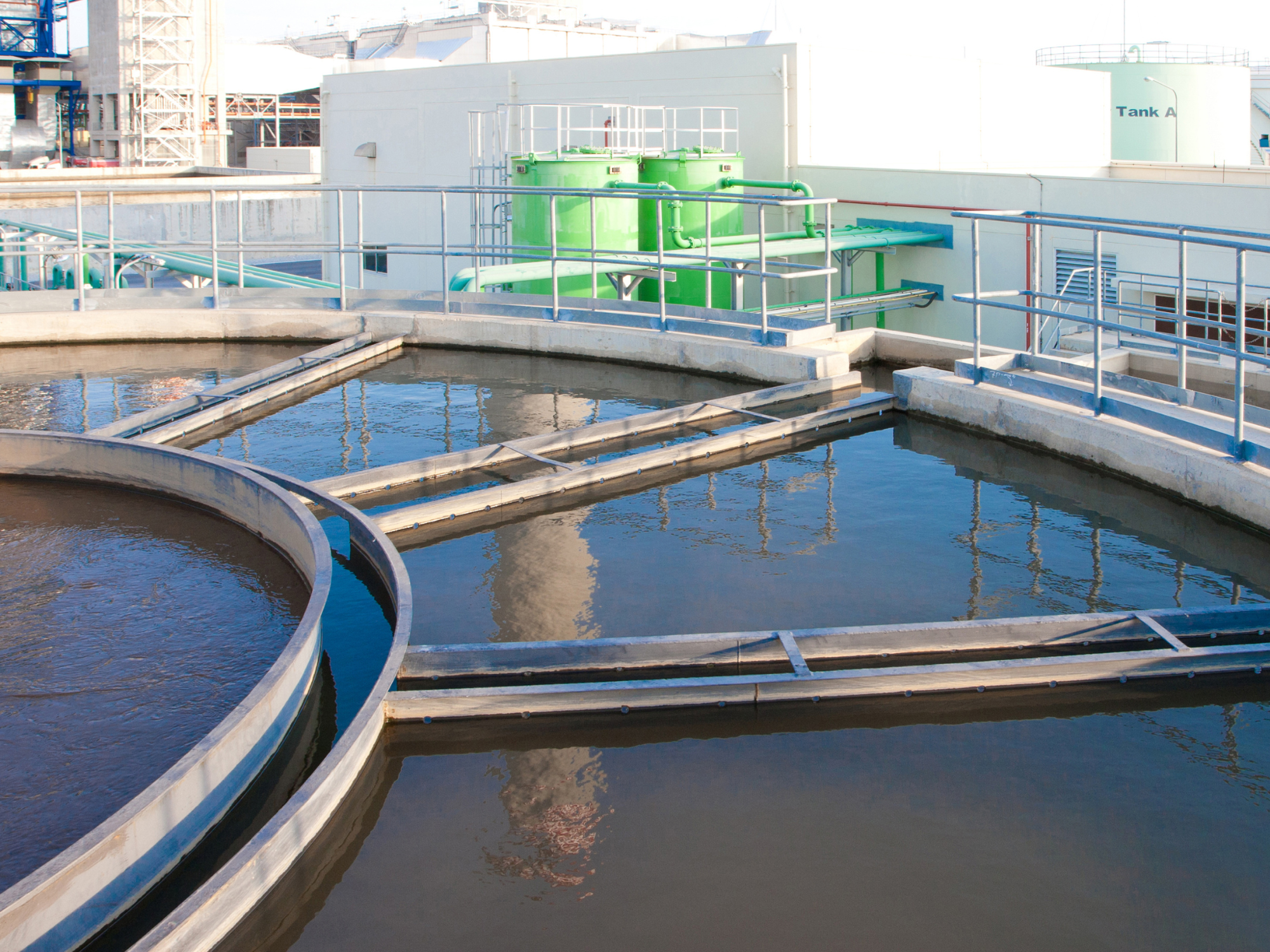

Rice straw, a significant agricultural residue in Northern India, is often burned, leading to environmental issues. This study explores the conversion of rice straw into biochar as an effective, sustainable adsorbent for removing phenol from water. Chemically treated and pyrolyzed rice straw biochar exhibited a 97% phenol removal efficiency from industrial wastewater. Response surface optimization identified key parameters, with a maximum removal efficiency of 96% achieved at an adsorbent dosage of 1.25 g/L in 60 minutes.
The study revealed that H-bonding and π-π interactions between phenol molecules and the adsorbent surface were crucial mechanisms. Langmuir isotherm and pseudo-second-order kinetics indicated monolayer chemisorption dominated the process, with a maximum adsorption capacity of 107.466 mg/g.
Fixed bed column studies confirmed the efficiency of the biochar, and regeneration studies demonstrated suitability for eight adsorption cycles. The study addressed gaps in continuous operation and regeneration techniques, providing practical insights.
Batch and column adsorption studies in industrial wastewater demonstrated a remarkable 97% phenol removal efficiency. The estimated cost of treatment was found to be $1.885/m3 of water, emphasizing the cost-effectiveness of the proposed method.
This research presents a sustainable approach to manage rice straw by converting it into biochar for efficient phenol removal. The study not only provides an alternative to commercial activated carbonActivated carbon is a form of carbon that has been processed to create a vast network of tiny pores, increasing its surface area significantly. This extensive surface area makes activated carbon exceptionally effective at trapping and holding impurities, like a molecular sponge. It is commonly More but also adds value to discarded agricultural waste. The findings contribute to addressing environmental and health hazards associated with phenol contamination in water, showcasing the potential of biochar as a green and economical adsorbent.



![Eucalyptus Wood Waste-Derived Biochar Achieves a Ninety-Eight Percent Removal Efficiency for Benzo[ghi]perylene in Vehicle-Wash Wastewater](https://biochartoday.com/wp-content/uploads/2026/10/SCIENCE-BLOGS-2026-2026-10-19T160523.703.jpg)

Leave a Reply