

Singsit, et al (2024) Acetaminophen Sorption Using Invasive Lantana camara BiocharBiochar is a carbon-rich material created from biomass decomposition in low-oxygen conditions. It has important applications in environmental remediation, soil improvement, agriculture, carbon sequestration, energy storage, and sustainable materials, promoting efficiency and reducing waste in various contexts while addressing climate change challenges. More toward Achieving Sustainable Development Goals. ACS Chemical Health & Safety. https://doi.org/10.1021/acs.chas.4c00036
In a recent study, researchers explored the dual benefits of converting Lantana camara, an invasive plant, into biochar for removing pharmaceutical contaminants from water. Lantana, ranked among the top 10 invasive species globally, poses significant threats to biodiversity and health. By repurposing this weed into biochar through slow pyrolysisPyrolysis is a thermochemical process that converts waste biomass into bio-char, bio-oil, and pyro-gas. It offers significant advantages in waste valorization, turning low-value materials into economically valuable resources. Its versatility allows for tailored products based on operational conditions, presenting itself as a cost-effective and efficient More, the team developed a cost-effective material for removing acetaminophen (a common drug found in wastewater) from water.
The biochar, produced at 700°C (named LB700), demonstrated an adsorption capacity of up to 13.2 mg/g, depending on temperature and conditions such as pHpH is a measure of how acidic or alkaline a substance is. A pH of 7 is neutral, while lower pH values indicate acidity and higher values indicate alkalinity. Biochars are normally alkaline and can influence soil pH, often increasing it, which can be beneficial More and concentration. Sorption studies revealed that LB700 is most effective at pH 2, with reduced performance at higher pH levels due to electrostatic interactions. The study used several isotherm models to analyze the data, with the Langmuir model showing the best fit. Kinetic studies indicated that the process follows a pseudo-second-order reaction model, suggesting efficient adsorption over time.
This research addresses two global challenges: managing invasive species and treating pharmaceutical wastewater, aligning with the UN’s Sustainable Development Goals for clean water and good health. The conversion of Lantana camara into biochar offers a sustainable, eco-friendly solution to water contamination while simultaneously controlling an invasive plant species.
This innovative approach shows promise for broader applications in water treatment and environmental protection.

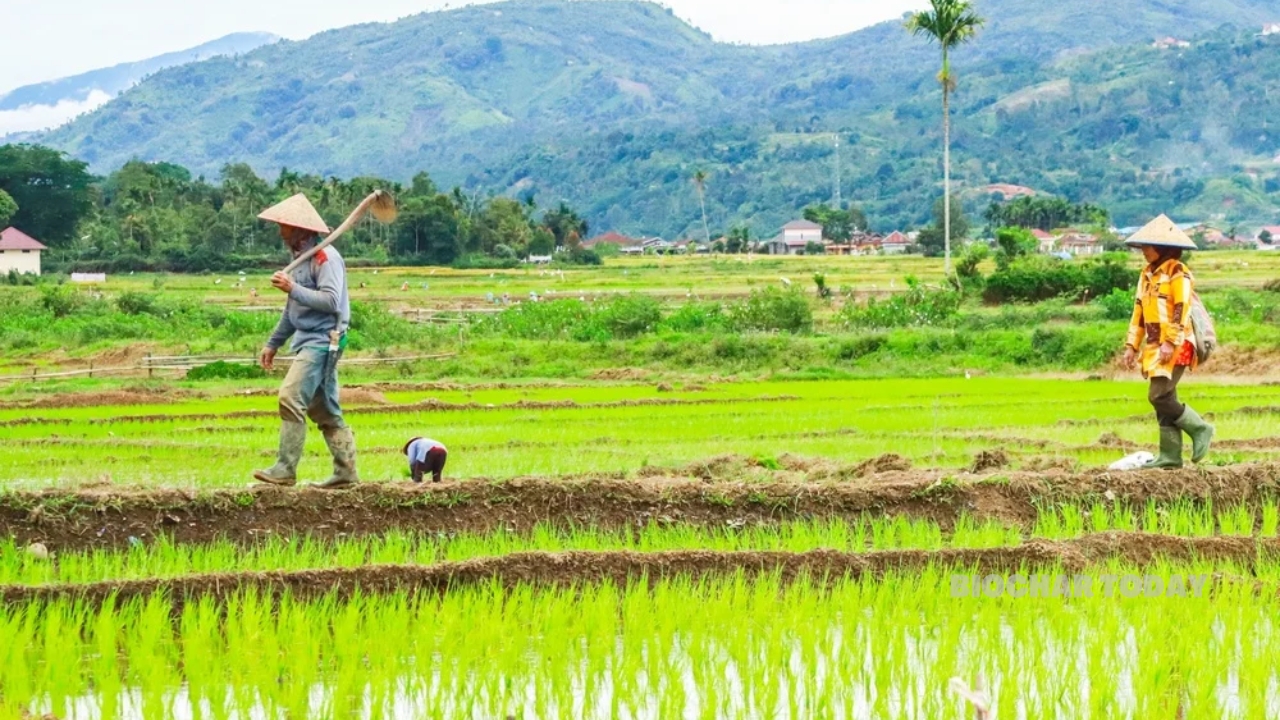
![Eucalyptus Wood Waste-Derived Biochar Achieves a Ninety-Eight Percent Removal Efficiency for Benzo[ghi]perylene in Vehicle-Wash Wastewater](https://biochartoday.com/wp-content/uploads/2026/10/SCIENCE-BLOGS-2026-2026-10-19T160523.703.jpg)

Leave a Reply