
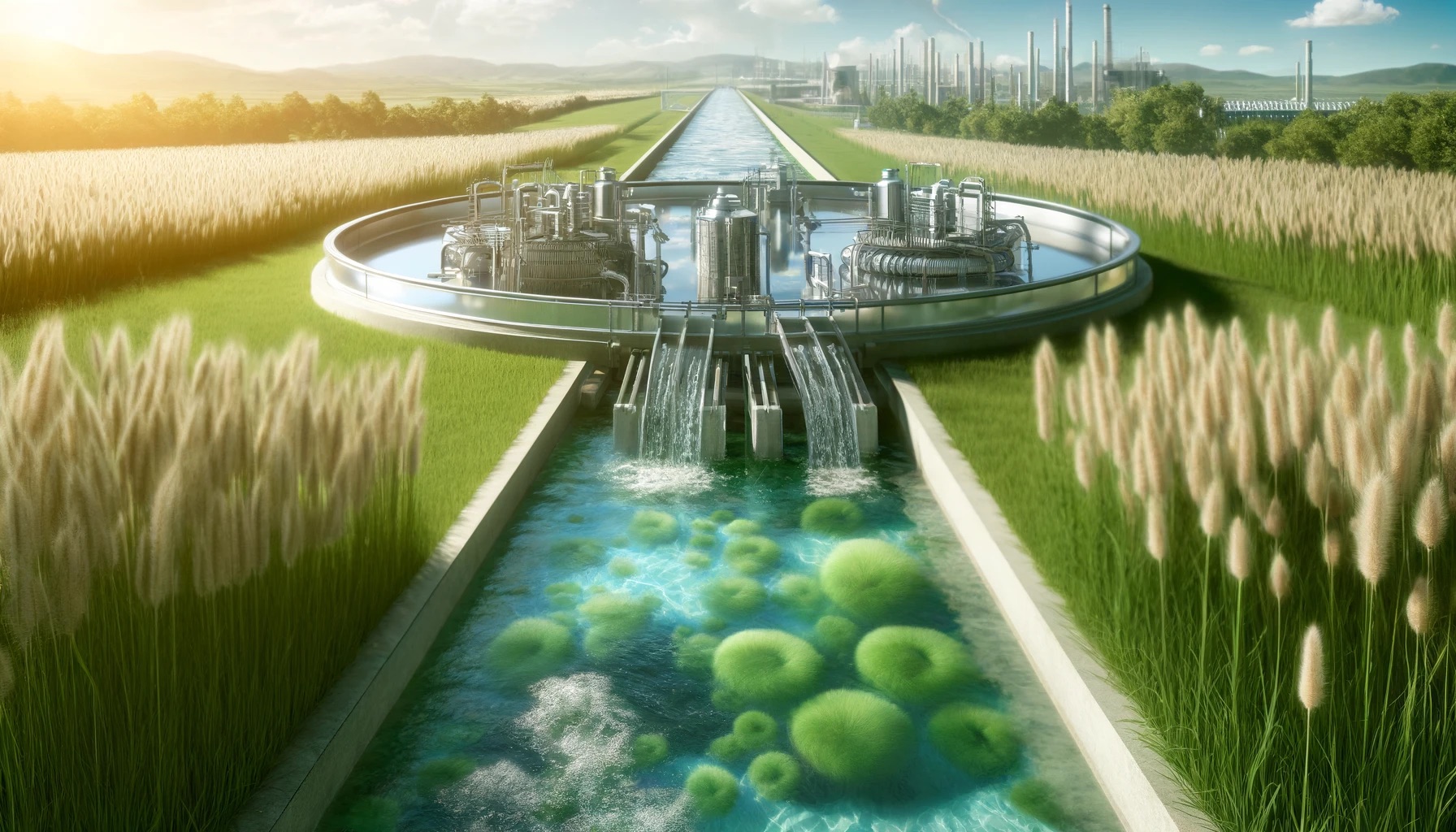

In a recent study, researchers Aman Kumar, Ekta Singh, and Shang-Lien Lo explore the potential of MXene/biochar (MB) composites for enhanced wastewater treatment and bioenergy production. This innovative approach addresses the intertwined challenges of water scarcity and sustainable energy generation.
Enhanced Wastewater Treatment
The study showcases how MB composites significantly improve wastewater reclamation. By integrating biocharBiochar is a carbon-rich material created from biomass decomposition in low-oxygen conditions. It has important applications in environmental remediation, soil improvement, agriculture, carbon sequestration, energy storage, and sustainable materials, promoting efficiency and reducing waste in various contexts while addressing climate change challenges. More (BC) with MXene, the researchers created a material with superior adsorption capabilities. This composite effectively reduced total dissolved solids and increased nutrient concentrations in treated wastewater, benefiting plant growth. The enhanced hydrophobicity of BC, amplified by MXene, makes it particularly effective for advanced wastewater treatment, offering a promising solution for regions with inadequate wastewater facilities.
Bioenergy Potential
The treated wastewater’s nutrient richness promoted the growth of Pennisetum purpureum, a bioenergy crop. This crop demonstrated a high heating value (HHV) of 25.03 MJ/kg and a lower heating value (LHV) of 23.57 MJ/kg, indicating substantial energy potential. The study also highlighted the crop’s high volatile matterVolatile matter refers to the organic compounds that are released as gases during the pyrolysis process. These compounds can include methane, hydrogen, and carbon monoxide, which can be captured and used as fuel or further processed into other valuable products. More content and significant fixed carbon percentage, essential for efficient bio-oil production through pyrolysisPyrolysis is a thermochemical process that converts waste biomass into bio-char, bio-oil, and pyro-gas. It offers significant advantages in waste valorization, turning low-value materials into economically valuable resources. Its versatility allows for tailored products based on operational conditions, presenting itself as a cost-effective and efficient More.
Thermochemical Conversion and Sustainability
The MB composites not only enhance water purification but also facilitate efficient thermochemical conversion for energy production. The research emphasizes the composite’s high flammability and low volatile ignition values, underlining its suitability for bioenergy applications. This dual functionality of MB composites underscores their potential in promoting a sustainable water-energy nexus.
By pioneering the use of MXene/biochar composites, this study opens new avenues for sustainable wastewater treatment and bioenergy production. The integration of these technologies exemplifies a circular economy approach, addressing global challenges in water and energy sustainability. This innovative research paves the way for future advancements in nexus-based solutions, promoting a more interconnected and sustainable future.




Leave a Reply