

Bashir, M.H., Farhan, M., Samreen, T. et al.Effectiveness of constructed wetland technology-treated industrial wastewater on the spinach (Spinacia oleracea) health risks and biocharBiochar is a carbon-rich material created from biomass decomposition in low-oxygen conditions. It has important applications in environmental remediation, soil improvement, agriculture, carbon sequestration, energy storage, and sustainable materials, promoting efficiency and reducing waste in various contexts while addressing climate change challenges. More efficiency. Environ Geochem Health46, 469 (2024). https://doi.org/10.1007/s10653-024-02254-2
In peri-urban areas, industrial wastewater is commonly used for irrigation, introducing harmful metals like cadmium, chromium, lead, and nickel into the soil. This contamination deteriorates food quality and poses health risks. Biochar, a carbon-rich material, has been shown to reduce the mobility and bioavailability of these heavy metals, making it a potential solution for remediating contaminated soils.
A two-month pot experiment tested the effectiveness of different biochar levels on spinach growth using both untreated and treated industrial wastewater. The treatments included control (tap water), untreated wastewater, treated wastewater, and combinations of wastewater with biochar at 0.5% and 1%. The results showed that using treated wastewater with 1% biochar led to the best plant growth, with increased plant height, shoot weight, chlorophyll content, and improved photosynthetic and transpiration rates.
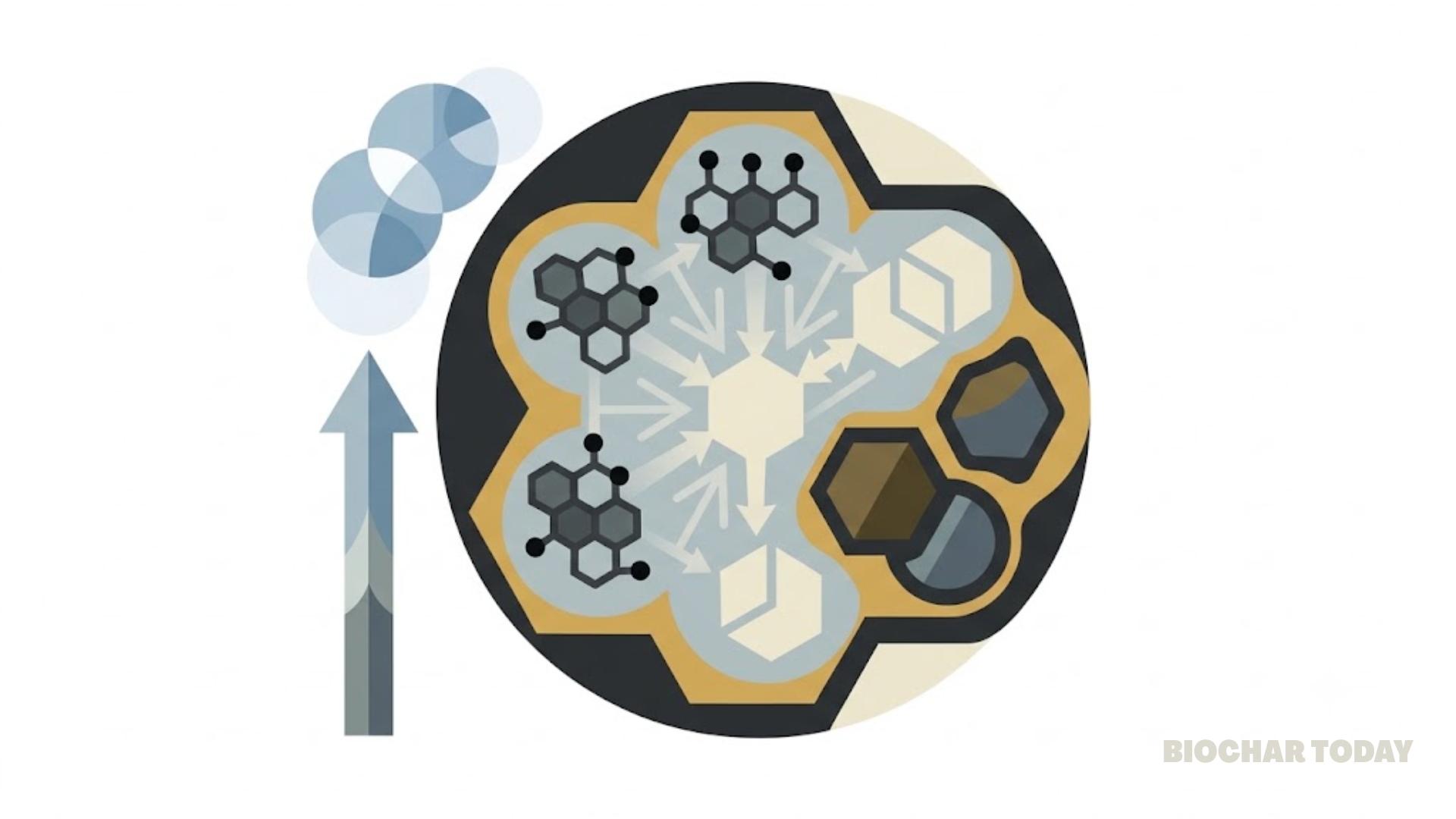
Biochar’s porous structure, high pHpH is a measure of how acidic or alkaline a substance is. A pH of 7 is neutral, while lower pH values indicate acidity and higher values indicate alkalinity. Biochars are normally alkaline and can influence soil pH, often increasing it, which can be beneficial More, and diverse functional groups played a key role in immobilizing heavy metals in the soil. Health risk assessments based on the U.S. EPA guidelines indicated that while all treatments had a hazard index (HI) below 1, the 1% biochar treatment further reduced HI and total cancer risk (TCR) in both adults and children.
The study concluded that using industrial wastewater for irrigation poses toxicity risks, but biochar significantly mitigates heavy metal contamination in soil and spinach, reducing associated health risks.




Leave a Reply