


The June 2024 issue of Chemical Engineering Research and Design features a review by Pramila Sharma and colleagues on the promising advancements in utilizing sugarcane bagasse biochar (SBB) for wastewater treatment. This comprehensive review highlights the potential of SBB, a byproduct of the sugar industry, as an efficient and cost-effective adsorbent for removing pollutants from wastewater.
Sugarcane bagasse, typically discarded as waste, can be transformed into activated biochar with improved adsorption capabilities. The review explores various thermochemical methods for synthesizing and functionalizing SBB, enhancing its surface area, stability, and functional group content. These modifications significantly boost the biochar’s ability to adsorb contaminants, making it a viable solution for wastewater purification.
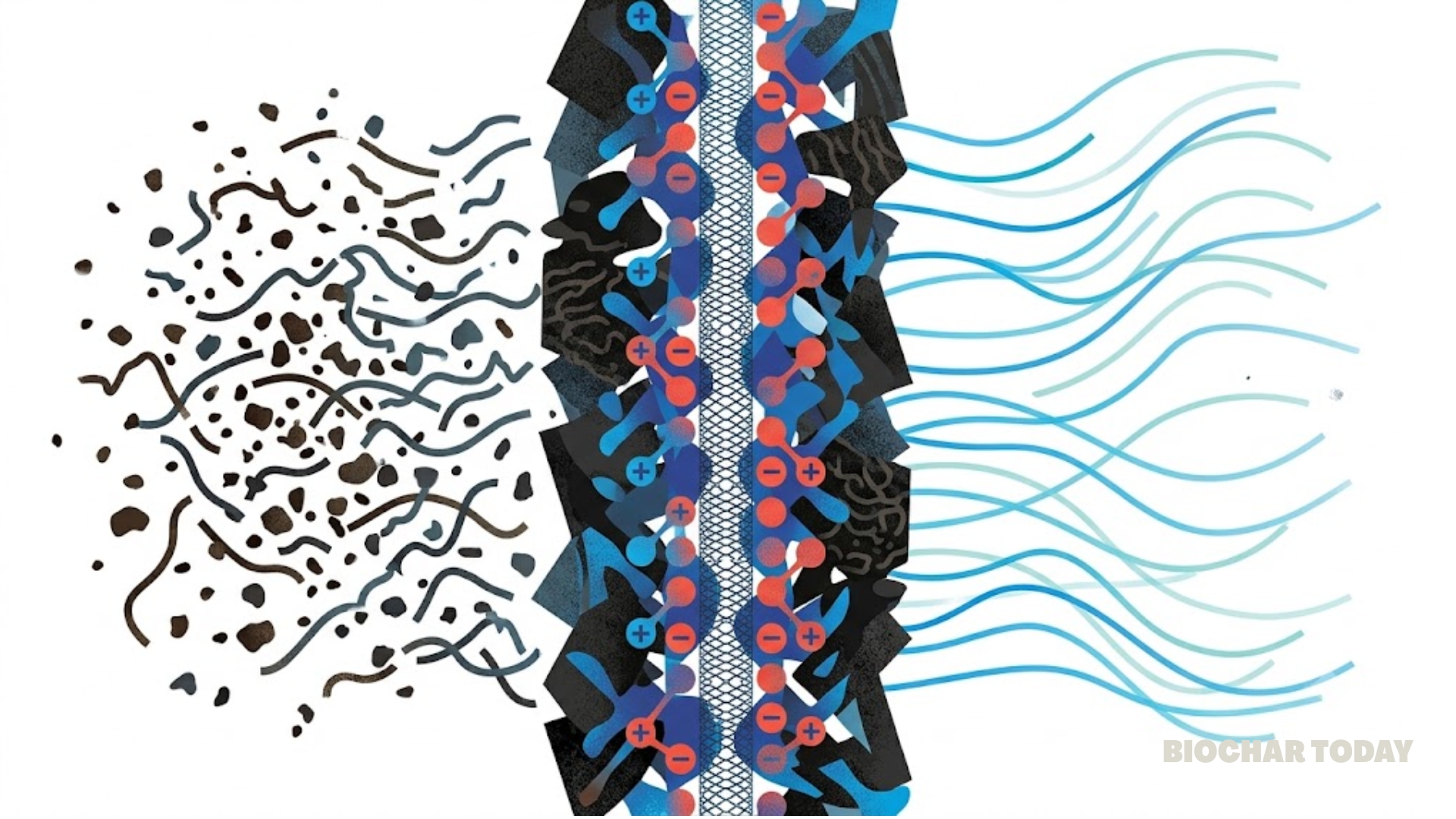
The study delves into the physicochemical properties of SBB, emphasizing how chemical modifications can improve its morphology and elemental composition, thereby enhancing its cation-anion exchange capacity. By detailing the changes in SBB’s properties post-functionalization, the review provides a clear understanding of how these alterations improve pollutant adsorptionBiochar has a remarkable ability to attract and hold onto pollutants, like heavy metals and organic chemicals. This makes it a valuable tool for cleaning up contaminated soil and water. More efficiency.
Moreover, the authors discuss the practical applications of SBB in wastewater treatment, underscoring its advantages over conventional methods like filtration and reverse osmosis, which often incur high operational costs. The review concludes that SBB’s low-cost production and high removal efficiency make it an optimal choice for wastewater treatment, potentially alleviating energy crises and reducing environmental pollution.
This insightful review not only underscores the importance of utilizing agroforestry waste but also paves the way for further research into developing sustainable biochar-based technologies for environmental protection.




Leave a Reply