
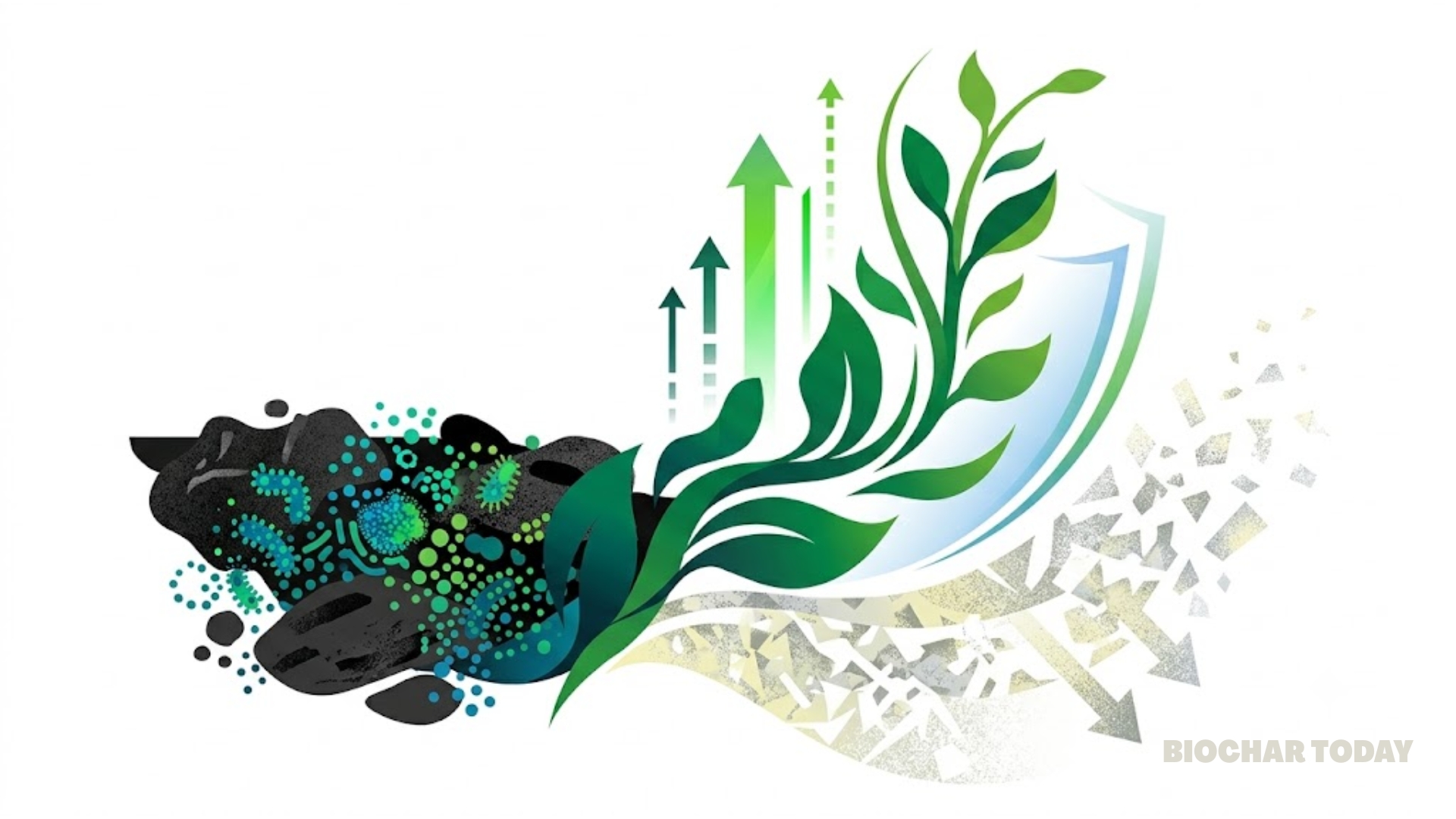
Köves, et al (2024) Overview of Traditional and Contemporary Industrial Production Technologies for BiocharBiochar is a carbon-rich material created from biomass decomposition in low-oxygen conditions. It has important applications in environmental remediation, soil improvement, agriculture, carbon sequestration, energy storage, and sustainable materials, promoting efficiency and reducing waste in various contexts while addressing climate change challenges. More along with Quality Standardization Methods. Land. https://doi.org/10.3390/land13091388
Biochar, a form of carbon-rich material produced through the thermal decomposition of organic matter, has garnered significant attention for its potential in sustainable agriculture and climate change mitigation. Traditional methods of biochar production have been utilized globally, with practices varying by region, such as the earth mound kilns in Rwanda and pit kilns in Hungary. These methods, although effective in their context, often face challenges related to efficiency and environmental impact.
Modern industrial production of biochar has evolved with techniques like pyrolysisPyrolysis is a thermochemical process that converts waste biomass into bio-char, bio-oil, and pyro-gas. It offers significant advantages in waste valorization, turning low-value materials into economically valuable resources. Its versatility allows for tailored products based on operational conditions, presenting itself as a cost-effective and efficient More, gasificationGasification is a high-temperature, thermochemical process that converts carbon-based materials into a gaseous fuel called syngas and solid by-products. It takes place in an oxygen-deficient environment at temperatures typically above 750°C. Unlike combustion, which fully burns material to produce heat and carbon dioxide (CO2), gasification More, and hydrothermal carbonization, which offer better control over the process and product quality. Pyrolysis, the most common method, involves heating biomassBiomass is a complex biological organic or non-organic solid product derived from living or recently living organism and available naturally. Various types of wastes such as animal manure, waste paper, sludge and many industrial wastes are also treated as biomass because like natural biomass these More in an oxygen-limited environment, resulting in biochar, bio-oil, and gases. This method is diversified into slow, intermediate, and fast pyrolysis, each producing biochar with distinct properties suited to different agricultural applications.
The standardization of biochar quality is crucial for its widespread adoption and effectiveness. International organizations have developed certification schemes such as the International Biochar Initiative (IBI) and the European Biochar Certificate (EBC) to ensure the consistency and safety of biochar products. These standards define key parameters like carbon content, pHpH is a measure of how acidic or alkaline a substance is. A pH of 7 is neutral, while lower pH values indicate acidity and higher values indicate alkalinity. Biochars are normally alkaline and can influence soil pH, often increasing it, which can be beneficial More, and the presence of contaminants, providing a framework for producers and consumers to assess the quality of biochar.
As the biochar industry continues to grow, ongoing research and development, along with robust regulatory frameworks, will be essential in maximizing its environmental benefits and ensuring sustainable practices in its production and use.



Leave a Reply