
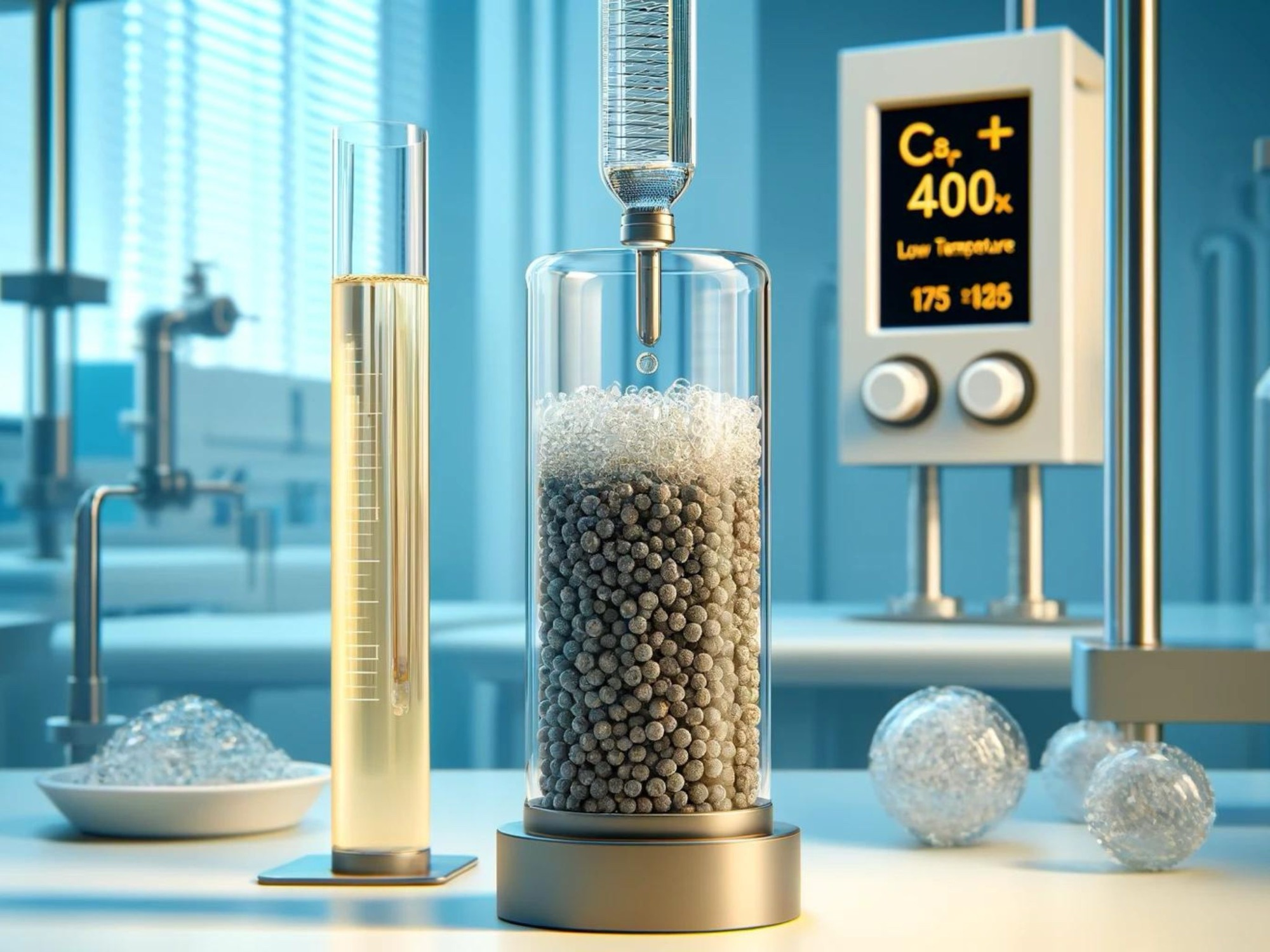

In recent research, a novel composite adsorbent, Cu/NBC, was developed through the modification of N-doped biochar with copper nanoparticles derived from copper metal-organic frameworks (Cu-MOFs). This innovative adsorbent showcases a remarkable desulfurization capacity for hydrogen sulfide (H2S), a toxic and corrosive gas prevalent in industrial emissions, which poses significant health and environmental risks.
Hydrogen sulfide is primarily produced during processes like composting and can reach concentrations harmful enough to necessitate stringent control measures. Traditional methods for H2S removal have involved chemical scrubbers and biofilters; however, these techniques, while effective, are often hindered by high operational costs and energy requirements. The Cu/NBC adsorbent, with a specific surface area of 434 m²/g, was synthesized to address these challenges by offering a high-capacity, low-temperature alternative.
The research focused on the effects of pyrolysisPyrolysis is a thermochemical process that converts waste biomass into bio-char, bio-oil, and pyro-gas. It offers significant advantages in waste valorization, turning low-value materials into economically valuable resources. Its versatility allows for tailored products based on operational conditions, presenting itself as a cost-effective and efficient More temperature and Cu-MOF to biochar doping ratio on the desulfurization efficiency. The optimal conditions identified were a pyrolysis temperature of 600°C and a Cu-MOF to biochar ratio of 1:1, under which the Cu/NBC-600-1 adsorbent achieved a desulfurization capacity of 158.28 mg/g. This capacity is approximately 3.8 times greater than that of the pristine N-doped biochar, under conditions of 25°C, with 20% oxygen, and 70% relative humidity.
The mechanism of H2S removal by Cu/NBC involves synergistic catalytic oxidation and adsorption processes, leading to the formation of sulfur and copper sulfide as the primary desulfurization products. These results not only demonstrate the enhanced efficiency of Cu/NBC compared to traditional biochar and other adsorbents but also highlight the potential of MOF-derived materials in environmental applications.
This study underlines the effectiveness of Cu/NBC as a promising solution for the low-concentration desulfurization of H2S at room temperature, providing a significant advancement in the field of adsorptive removal technologies and offering a scalable, cost-effective alternative to conventional methods. The successful application of MOF derivatives in this context paves the way for further research into their potential environmental benefits.



![Eucalyptus Wood Waste-Derived Biochar Achieves a Ninety-Eight Percent Removal Efficiency for Benzo[ghi]perylene in Vehicle-Wash Wastewater](https://biochartoday.com/wp-content/uploads/2026/10/SCIENCE-BLOGS-2026-2026-10-19T160523.703.jpg)

Leave a Reply