

Kurup, G., Krishnan, N., R., V.M. et al.Competitive Adsorption Studies of MgFe2O4-Biochar Nanocomposites for the Removal of Chromium and Nickel Ions in Single and Binary Metal Ion System. Adsorption (2024). https://doi.org/10.1007/s10450-024-00523-1
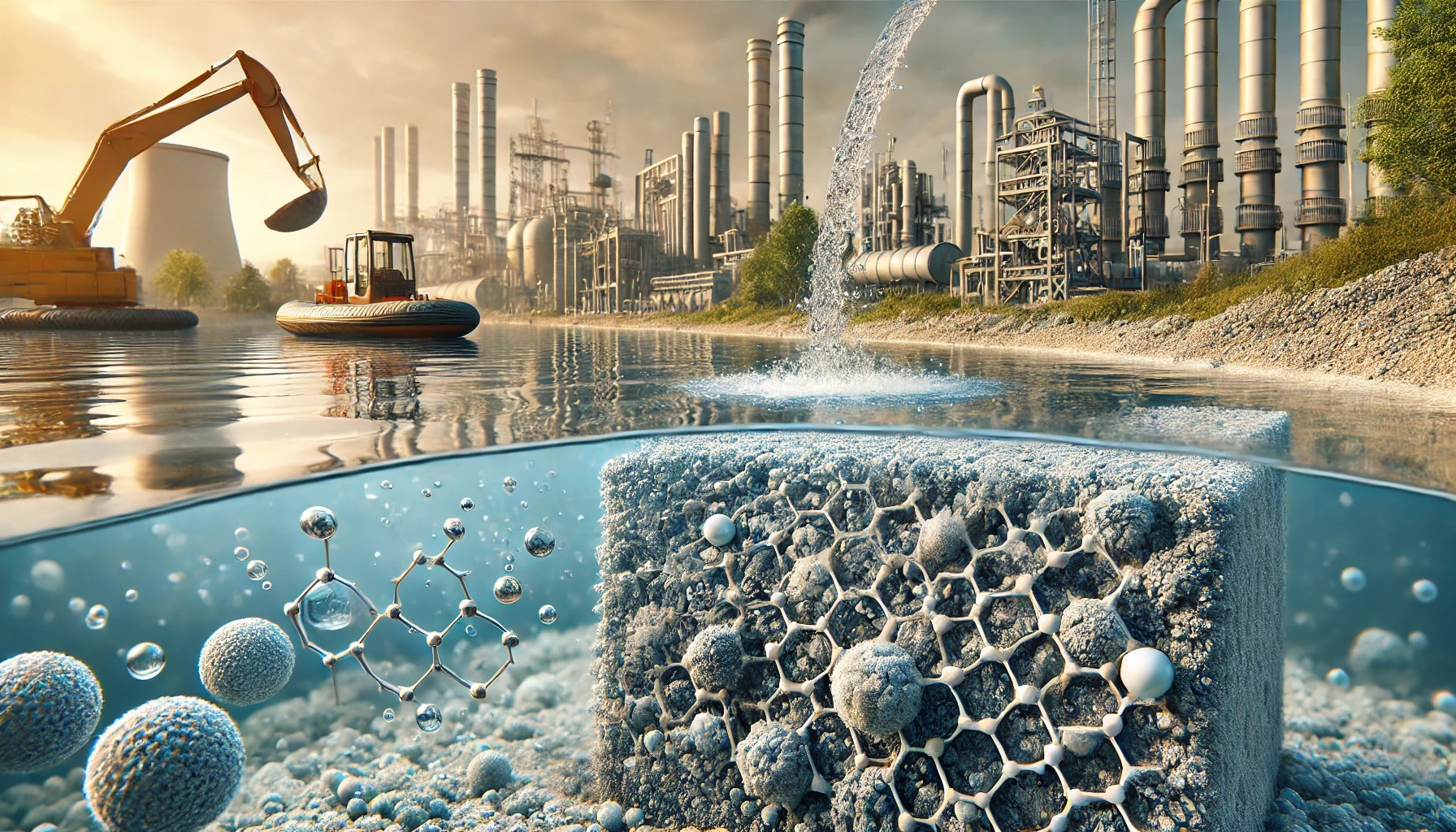
Heavy metal contamination in water is a pressing environmental concern, necessitating the development of sustainable and affordable materials to address this issue. Recent research has introduced a promising composite material made from biocharBiochar is a carbon-rich material created from biomass decomposition in low-oxygen conditions. It has important applications in environmental remediation, soil improvement, agriculture, carbon sequestration, energy storage, and sustainable materials, promoting efficiency and reducing waste in various contexts while addressing climate change challenges. More and magnesium ferrite nanoparticles, designed specifically for the removal of hexavalent chromium and divalent nickel from water sources.
While biochar and rice husk have been studied individually as adsorbents, this study uniquely investigates a biochar-magnesium ferrite composite derived from rice husks. The composite, analyzed before calcination, was identified as the most effective material, boasting a high surface area of 151 m²/g—significantly greater than that of calcined magnesium ferrite. This characteristic contributed to its remarkable removal efficiencies: 50 mg/g for chromium and 54 mg/g for nickel.
Optimal removal conditions varied by metal, with chromium best removed at pHpH is a measure of how acidic or alkaline a substance is. A pH of 7 is neutral, while lower pH values indicate acidity and higher values indicate alkalinity. Biochars are normally alkaline and can influence soil pH, often increasing it, which can be beneficial More 1 and nickel at pH 6, both requiring a contact time of 110 minutes. The adsorption process was identified as physisorption and endothermic, indicating a physical and heat-absorbing nature. Additionally, the composite demonstrated efficient regeneration using simple acid/base treatments, retaining 82% efficiency for nickel and 90% for chromium.
Overall, this study highlights the biochar-magnesium ferrite composite as a highly effective and sustainable solution for mitigating heavy metal contamination in water.

Leave a Reply