


Construction of biocharBiochar is a carbon-rich material created from biomass decomposition in low-oxygen conditions. It has important applications in environmental remediation, soil improvement, agriculture, carbon sequestration, energy storage, and sustainable materials, promoting efficiency and reducing waste in various contexts while addressing climate change challenges. More modified multi-morphologies Fe2O3 for efficient boosting photo-Fenton organic antibiotic pollutants degradation: Mechanism and toxicity evaluation in degradation pathways. Industrial Crops and Products. https://doi.org/10.1016/j.indcrop.2024.119726
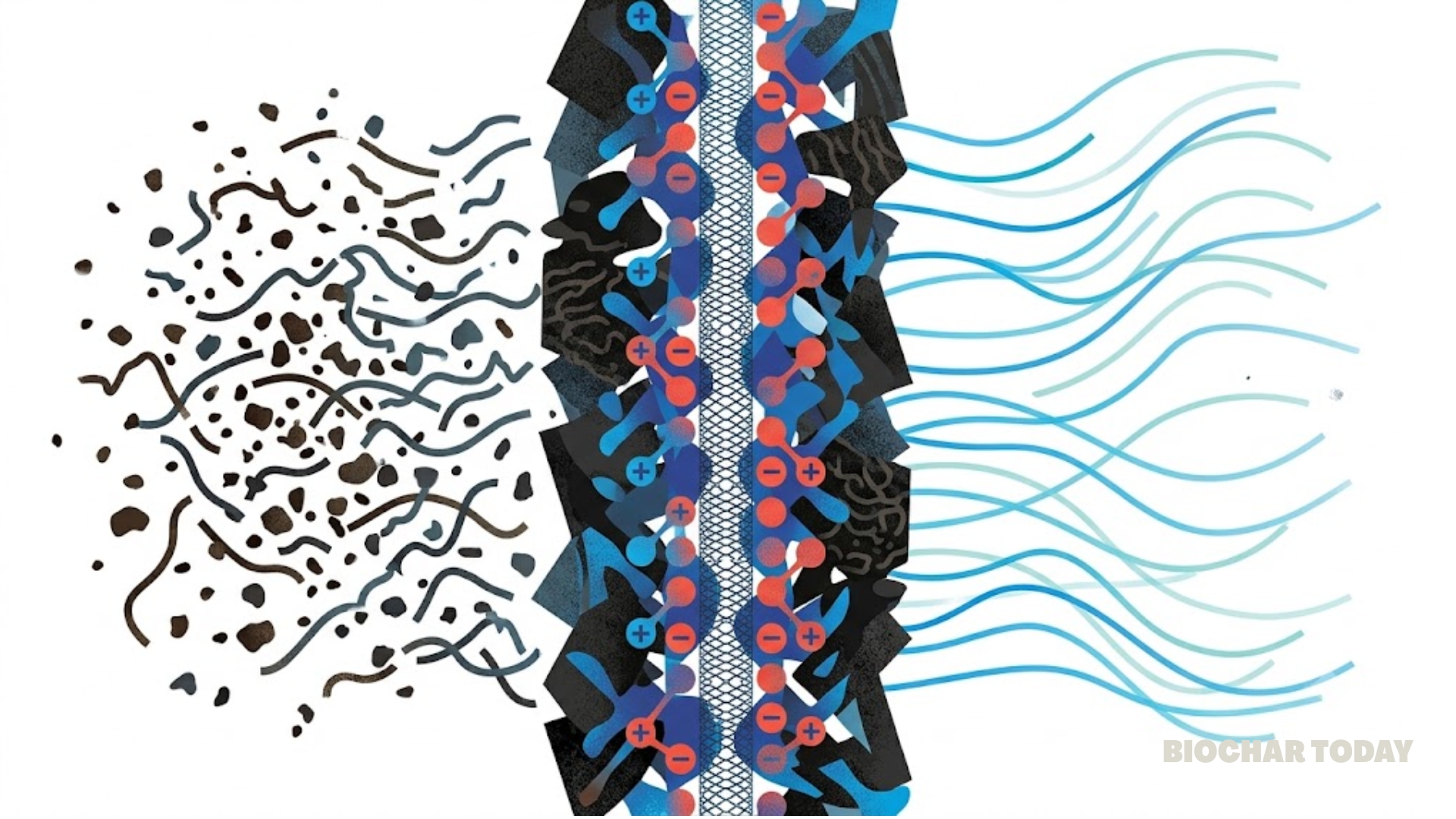
A recent study published in Industrial Crops and Products explores the development of advanced photo-Fenton catalysts for degrading antibiotic pollutants in wastewater. The research focuses on biochar-modified Fe2O3 catalysts designed to improve photogenerated charge separation and boost the degradation of tetracycline (TC), a common antibiotic that poses environmental risks when misused.
The team created three distinct Fe2O3/biochar (Fe2O3/BC) catalysts—nanosheet, cube, and ring morphologies—by modifying the iron oxide with biochar. Among these, the nanosheet-like Fe2O3/BC achieved the highest performance, removing 97% of TC within 80 minutes. This was approximately three to 18 times more effective than the cube- and ring-like variants.
Biochar played a critical role in preventing the agglomeration of Fe2O3 nanoparticles, allowing better charge transfer and enhancing catalytic efficiency. The researchers also conducted electrochemical impedance spectroscopy (EIS) and found that the nanosheet-like structure had the lowest charge transfer resistance, leading to faster electron-hole separation.
This study provides valuable insights into designing cost-effective, efficient catalysts for wastewater treatment using biochar. It also highlights biochar’s potential for environmental remediation applications, especially in addressing the growing concern over antibiotic contamination in water systems. The proposed mechanism of degradation emphasizes the significant role of hydroxyl radicals (•OH) in breaking down pollutants, offering a promising approach for future large-scale applications.




Leave a Reply