
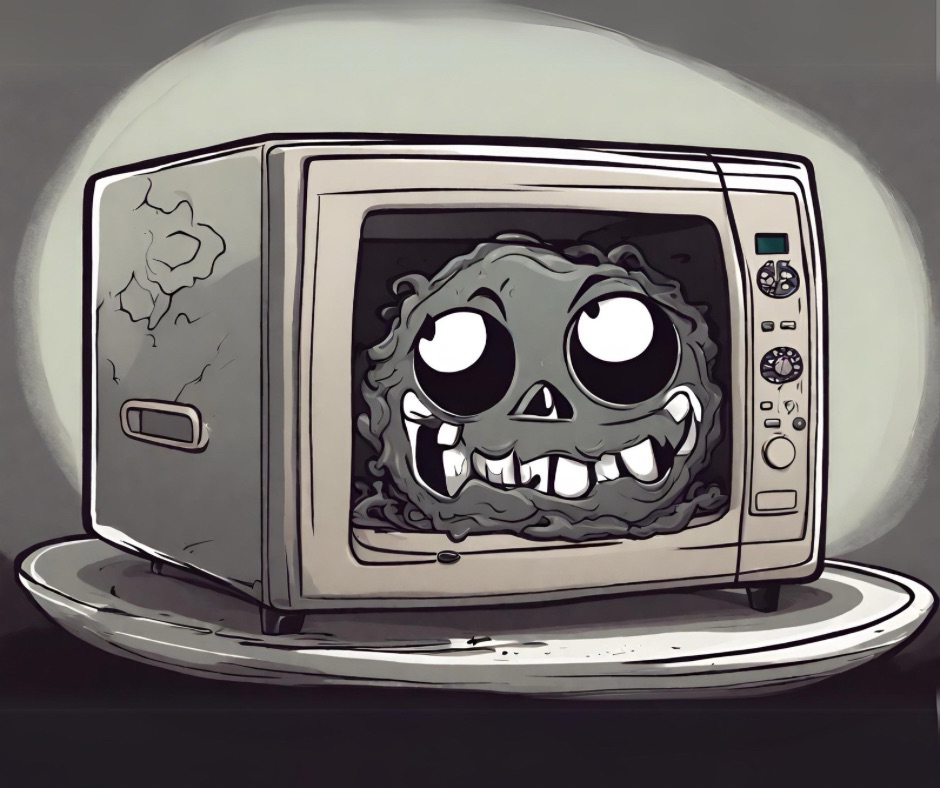

Our world is filled with electronic devices, emitting microwave radiation that can disrupt instruments and even harm our health. To protect ourselves, scientists are developing special materials that absorb these microwaves. But these materials often face another challenge: bacteria growth, which can shorten their lifespan. This new study presents a breakthrough solution – a microwave absorbing material made from grain husk that also kills bacteria!
Researchers used a simple process to decorate biochar from grain husk with tiny particles of CoNiO2 and CoCO3. These additions not only improved the material’s ability to absorb microwaves, but also made it a powerful foe against common bacteria like E. coli, killing nearly 98% of them!
By adjusting the temperature during the creation process, the scientists could fine-tune the structure and properties of the material. This allowed them to achieve an impressive microwave absorption peak of -41.87 dB, significantly weakening incoming radiation. And the best part? This impressive performance was achieved with a remarkably thin layer, just 2.5 millimeters thick!
This innovative material offers a dual benefit: shielding us from harmful microwaves and keeping things clean. It’s also environmentally friendly, made from readily available agricultural waste. This research paves the way for new types of protective materials that can be used in various applications, from electronic devices to healthcare settings.
Key takeaways:
- New biochar-based material absorbs microwaves and kills bacteria.
- Made from recycled grain husk,environmentally friendly.
- Effective at low thickness, promising for practical applications.
- Opens doors for cleaner and safer electronic environments.




Leave a Reply