

Wang, et al (2024) Multiple effects of modified biocharBiochar is a carbon-rich material created from biomass decomposition in low-oxygen conditions. It has important applications in environmental remediation, soil improvement, agriculture, carbon sequestration, energy storage, and sustainable materials, promoting efficiency and reducing waste in various contexts while addressing climate change challenges. More in saline-alkali soil: reducing salinity, providing nutrition, and promoting root colonization by beneficial bacteria. Research Square. https://doi.org/10.21203/rs.3.rs-5388906/v1
Saline-alkali soil poses a significant challenge to agriculture, affecting over 20% of the world’s farmland. This soil type limits crop growth due to high salinity, poor structure, and reduced fertility. A recent study explored how modified biochar can improve these conditions, focusing on its impact on cotton growth.
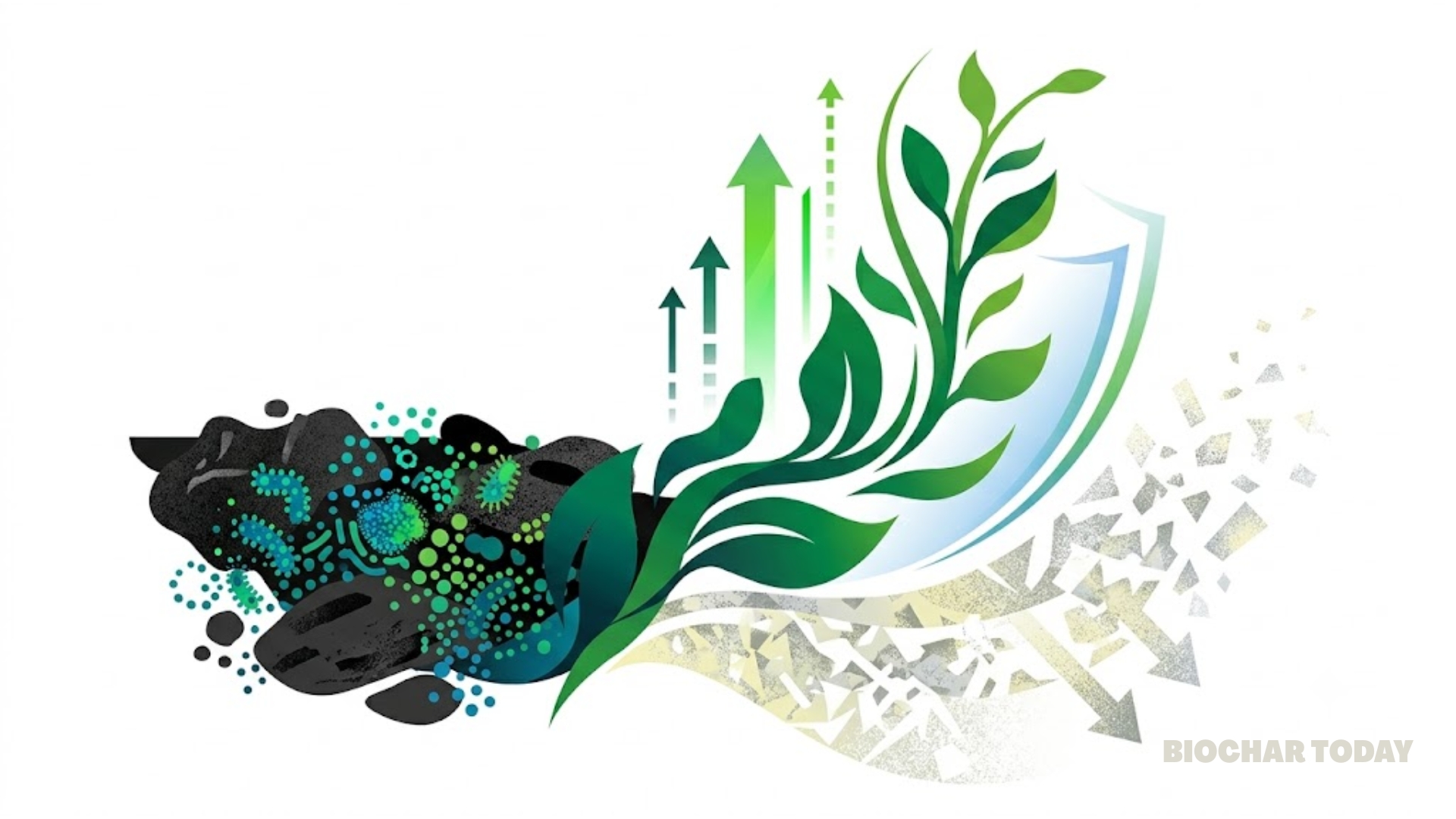
The research tested four biochar types: pristine biochar (PBC), acid-modified biochar (HBC), iron-modified biochar (FBC), and acid-iron-modified biochar (HFBC). Among these, FBC demonstrated the most notable benefits. FBC-treated soil showed a 36.5% reduction in salinity compared to untreated soil, improved soil pHpH is a measure of how acidic or alkaline a substance is. A pH of 7 is neutral, while lower pH values indicate acidity and higher values indicate alkalinity. Biochars are normally alkaline and can influence soil pH, often increasing it, which can be beneficial More, and increased the availability of nutrients like iron, potassium, and magnesium.
FBC also enhanced soil health by supporting beneficial microbial communities. It increased bacterial diversity, promoted the growth of helpful taxa such as Proteobacteria, and supported root-colonizing endophytic bacteria like Alcaligenaceae. These microbes are crucial for plant growth under stress, aiding in nutrient uptake and disease resistance.
Cotton grown in FBC-amended soil exhibited a 2.9-fold increase in biomassBiomass is a complex biological organic or non-organic solid product derived from living or recently living organism and available naturally. Various types of wastes such as animal manure, waste paper, sludge and many industrial wastes are also treated as biomass because like natural biomass these More and better nutrient absorption, including essential elements like calcium and iron. By improving soil properties and fostering a supportive microbial ecosystem, FBC alleviates stress caused by salinity and alkalinity.
This study highlights FBC’s potential for sustainable agriculture in salt-affected regions, offering a dual solution of soil remediation and nutrient enhancement for crops. It marks an important step toward addressing global food security and soil degradation issues.



Leave a Reply