
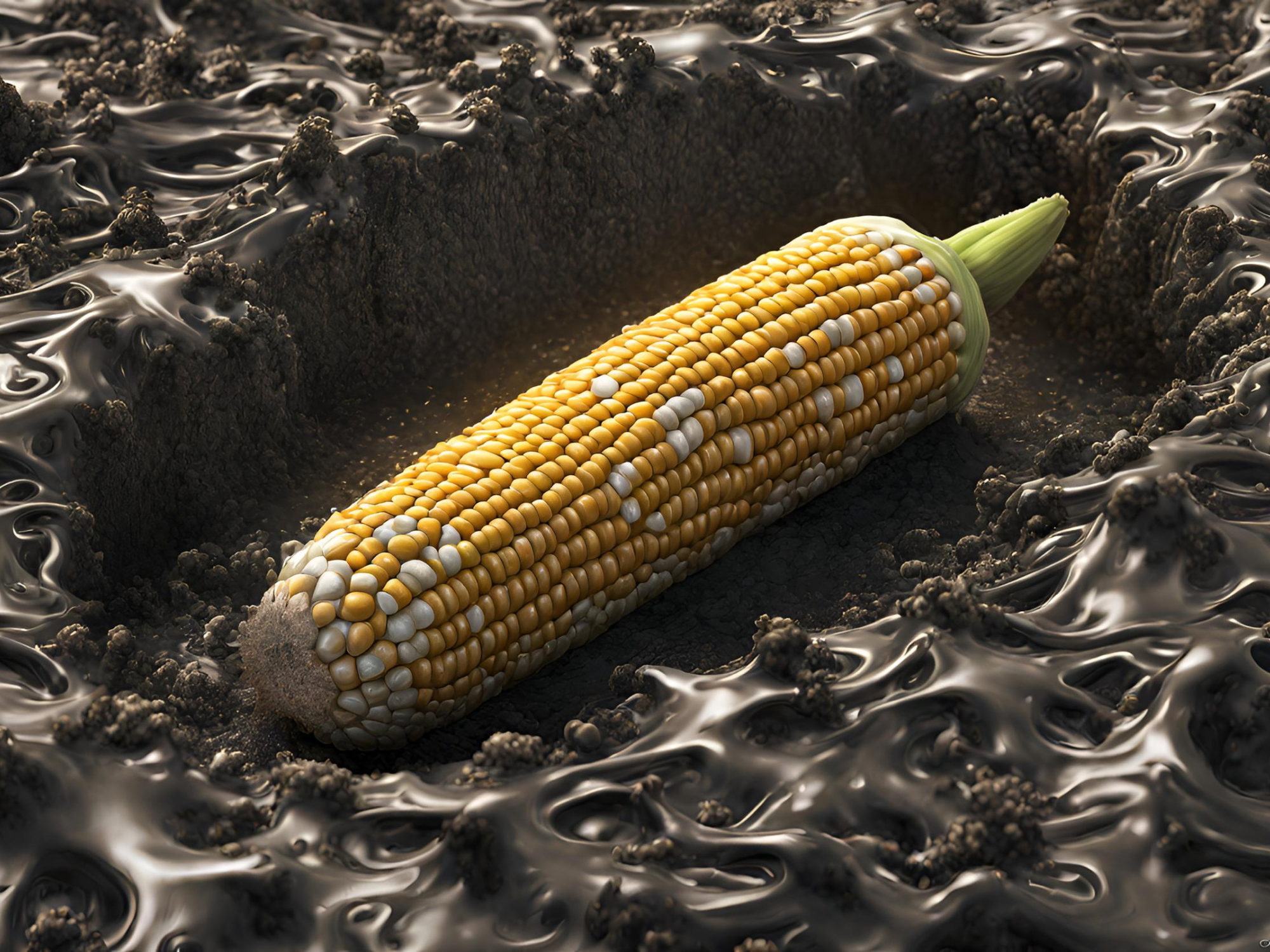
Namdari, Soleimani, et al (2024) Effect of biological sewage sludge and its derived biocharBiochar is a carbon-rich material created from biomass decomposition in low-oxygen conditions. It has important applications in environmental remediation, soil improvement, agriculture, carbon sequestration, energy storage, and sustainable materials, promoting efficiency and reducing waste in various contexts while addressing climate change challenges. More on accumulation of potentially toxic elements by corn (Zea mays L.). Scientific Reports. https://doi.org/10.1038/s41598-024-56652-8
The land application of sewage sludge in agriculture poses environmental risks due to its high content of potentially toxic elements (PTEs). To address this, a recent study investigated the efficacy of urban biological sewage sludge and its derived biochar as soil amendments on PTEs bioavailability and accumulation in corn plants under greenhouse conditions.
The research involved treating soil with different concentrations of biochar derived from sewage sludge and measuring the concentrations of various PTEs in soil and plant tissues. The results showed that converting biological sewage sludge into biochar significantly decreased PTEs bioavailability in the soil, leading to reduced accumulation in plant tissues.
Specifically, the study found substantial reductions in DTPA-extractable metal concentrations, with biochar reducing Cd by 75%, Cr by 65%, Ni and Pb by 79%, Zn by 76%, Cu by 91%, and Fe by 88% compared to raw sewage sludge. Furthermore, applying 5% biochar enhanced physiological parameters in plants compared to sewage sludge, doubling shoot dry weight, increasing stem diameter by 1.70 times, and chlorophyll content by 1.03 times.
The findings highlight the potential of sewage sludge-derived biochar as a soil amendmentA soil amendment is any material added to the soil to enhance its physical or chemical properties, improving its suitability for plant growth. Biochar is considered a soil amendment as it can improve soil structure, water retention, nutrient availability, and microbial activity. More to mitigate the risk of PTEs accumulation in plants, thus promoting sustainable agricultural practices. Utilizing biochar not only decreases environmental contamination but also enhances plant growth, indicating its value in soil remediation and agricultural sustainability efforts.
In conclusion, this study underscores the importance of exploring alternative methods, such as sewage sludge biochar, to address environmental challenges while ensuring food safety and ecosystem health in agricultural systems. Further research and implementation of biochar-based soil amendments could offer promising solutions to mitigate PTEs accumulation in crops, contributing to a more resilient and sustainable agricultural sector.




Leave a Reply