
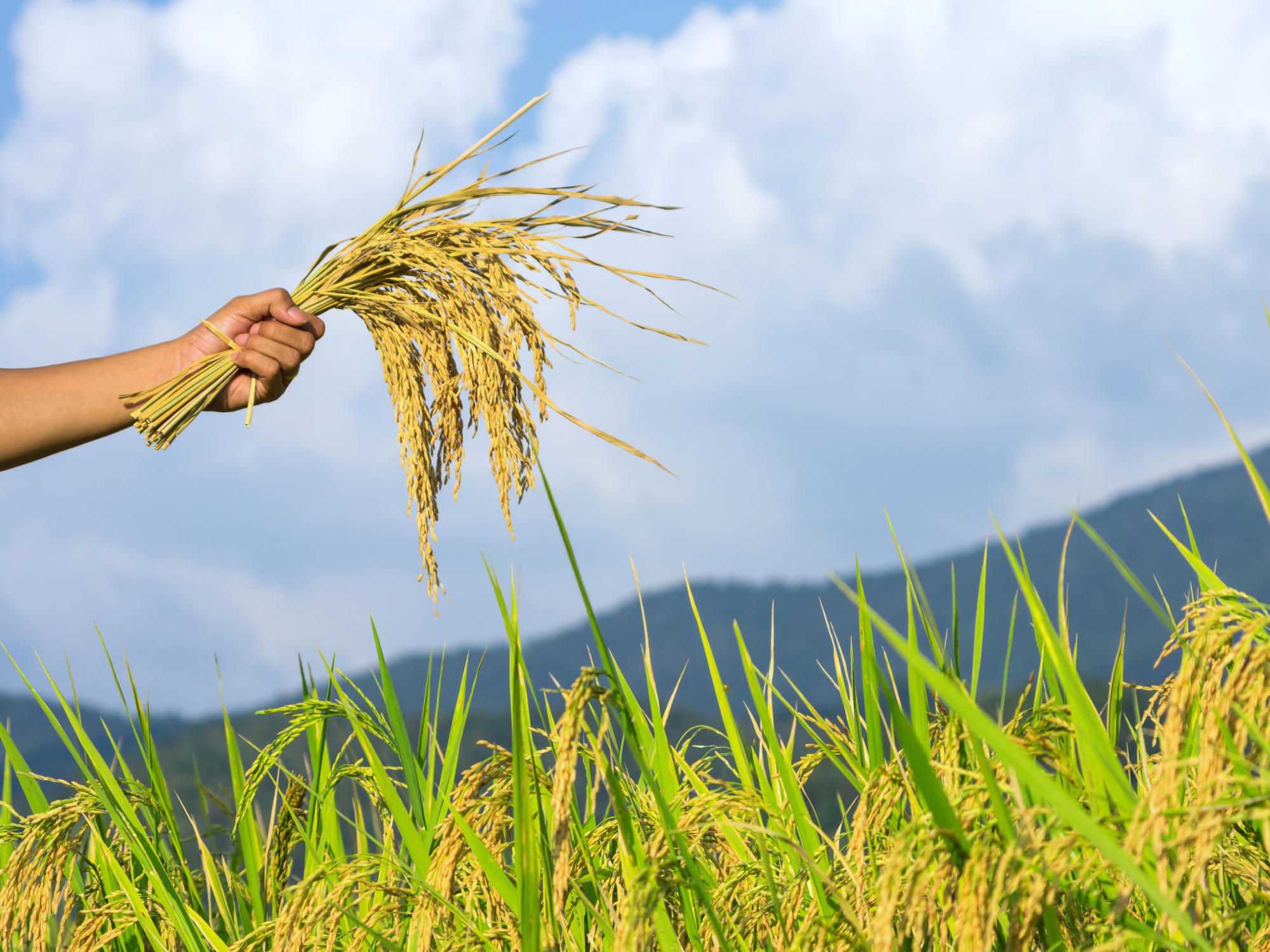

Antimony (Sb) contamination in paddy fields poses a serious threat to food safety, necessitating effective remediation strategies. This study explores the combined application of zero-valent iron (ZVI) and biochar (BC) to mitigate Sb uptake in rice grains.
The research reveals that the 0.05% ZVI and 0.095% BC combination significantly reduces Sb accumulation in rice grains by 42.8%, surpassing the effects of individual treatments. ZVI induces iron oxides, decreasing Sb mobility, while BC initially increases Sb mobility but later contributes to decreased mobility. The arsenite-reducing gene arrA plays a crucial role in reducing Sb(V).
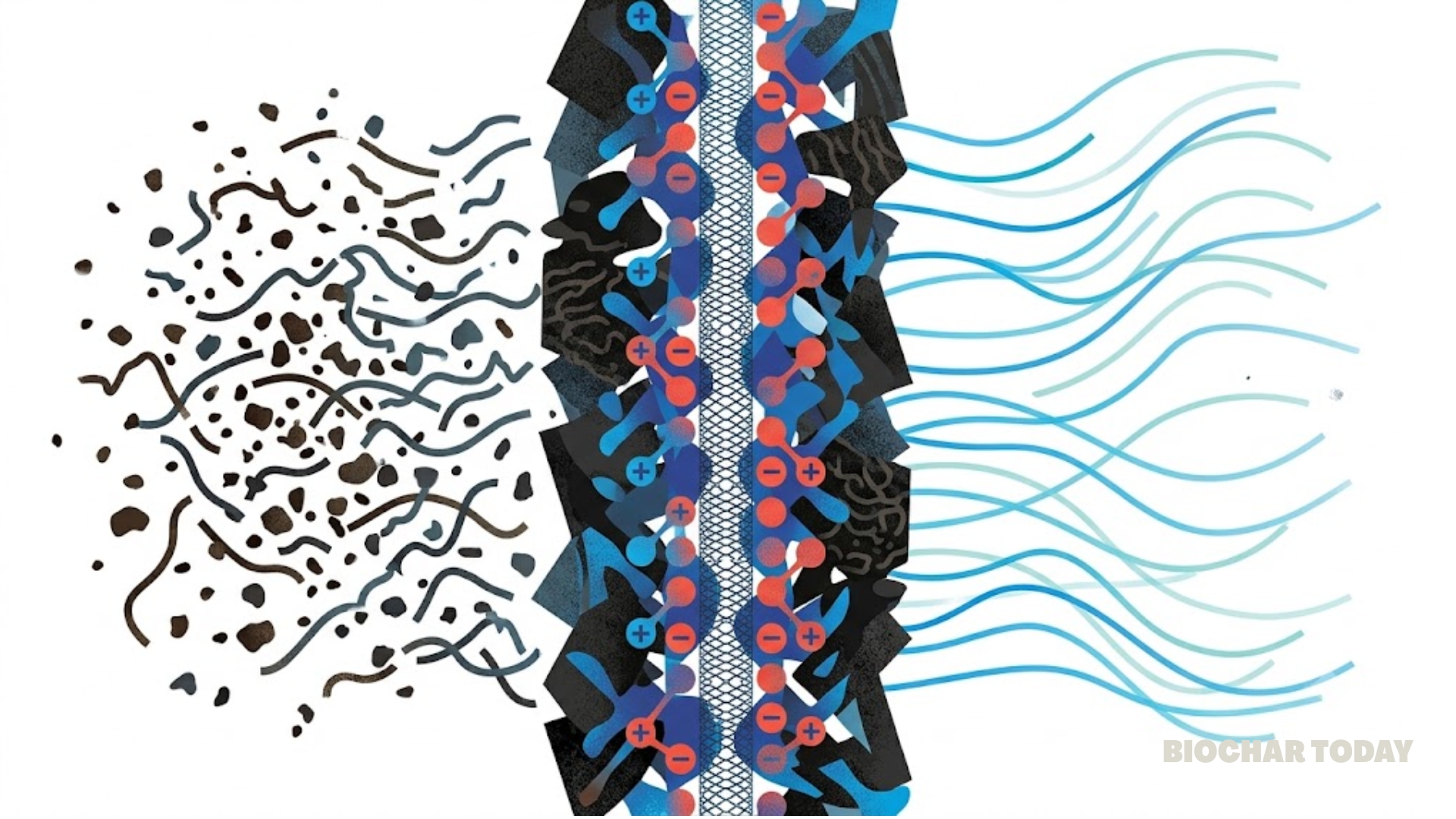
The study emphasizes the synergistic mechanisms of ZVI and BC in reducing Sb bioavailability throughout the rice lifecycle. ZVI forms iron oxides, while BC’s electron shuttle properties influence Sb mobility, providing a comprehensive strategy for sustainable remediation.
This research sheds light on effective remediation of Sb-contaminated paddy fields, crucial for ensuring food safety. The combined use of ZVI and BC presents a promising approach to address the complex dynamics of Sb bioavailability, providing insights into the geochemical behavior of Sb in soil-rice systems.
Understanding the synergistic effects of ZVI and BC on Sb remediation opens avenues for developing practical applications and addressing associated risks. Further research can build upon these findings for the sustainable management of heavy metal-contaminated farmlands. Overall, this study contributes valuable insights into the intricate interplay between zero-valent iron and biochar, offering a potential solution to mitigate antimony accumulation in rice grains and promote safe agricultural practices.




Leave a Reply