
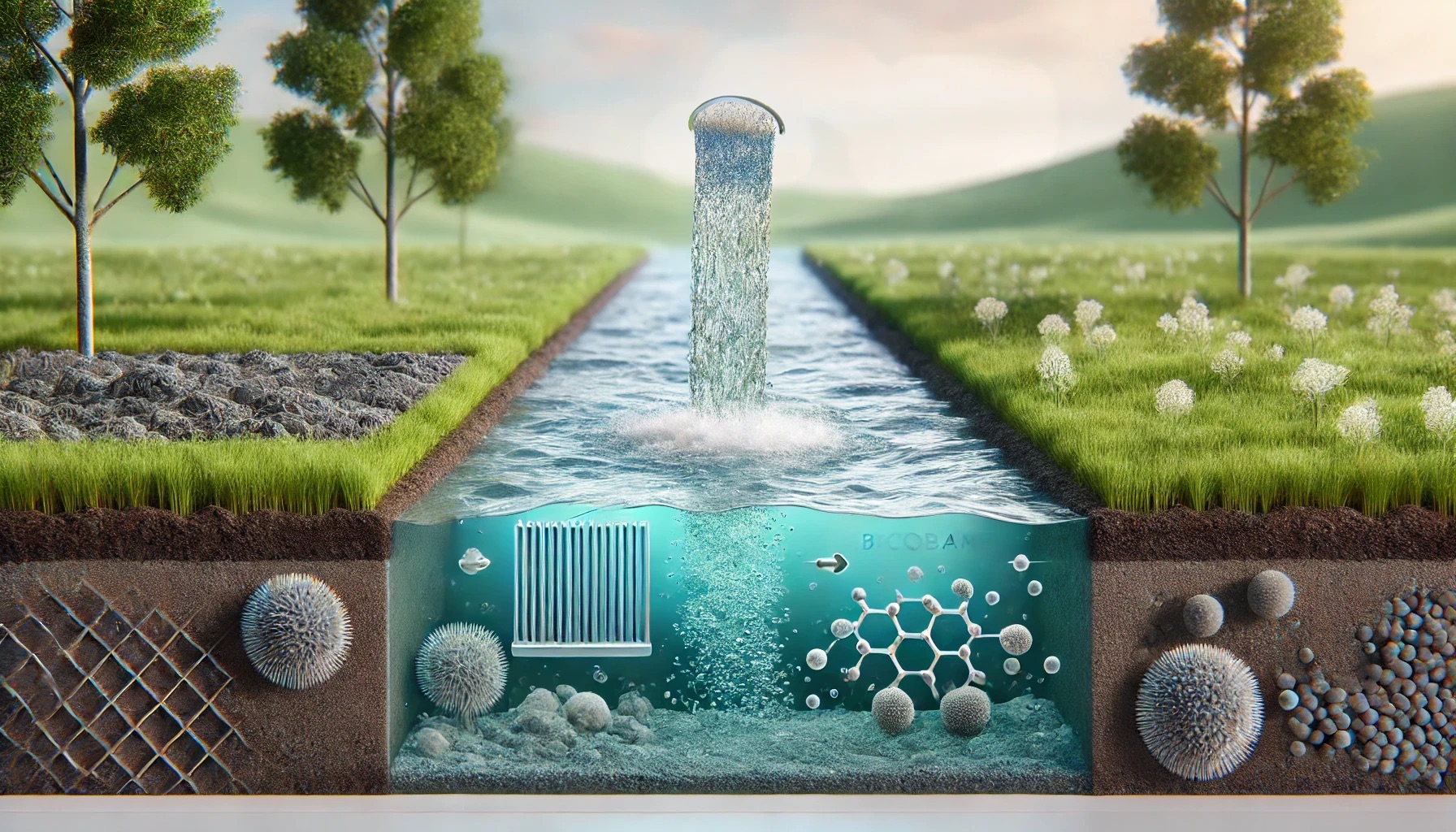

A recent study published in the Journal of Hazardous Materials presents an innovative solution to the environmental risks posed by antibiotic mixtures in water systems. Researchers developed a hybrid hydrogel composite (HSA) combining biocharBiochar is a carbon-rich material created from biomass decomposition in low-oxygen conditions. It has important applications in environmental remediation, soil improvement, agriculture, carbon sequestration, energy storage, and sustainable materials, promoting efficiency and reducing waste in various contexts while addressing climate change challenges. More adsorbent with a complex sludge microbiome. This composite was tested in a continuous reactor system for its ability to reduce the toxicity of two common antibiotics, ciprofloxacin and sulfamethoxazole, which are found in various water sources due to pharmaceutical waste.
The study highlights that when these antibiotics exist as mixtures, they become more toxic than their individual forms. Additionally, during the degradation process, the antibiotics produce byproducts, some of which exhibit even higher toxicity levels than the original compounds. The HSA composite, however, successfully mitigates this problem by both adsorbing the antibiotics and biodegrading them through the microbiome, significantly reducing overall ecotoxicity.
One key innovation is that HSA prevents biomassBiomass is a complex biological organic or non-organic solid product derived from living or recently living organism and available naturally. Various types of wastes such as animal manure, waste paper, sludge and many industrial wastes are also treated as biomass because like natural biomass these More washout in continuous flow reactors, ensuring stable operation and enhancing treatment efficiency. This system offers a sustainable and effective approach to managing antibiotic contaminants in wastewater, addressing both operational challenges and ecological risks. By incorporating biochar derived from agricultural waste, the study also promotes upcycling, further contributing to environmental sustainability. This research underscores the potential of hybrid bioreactors in transforming how we manage hazardous contaminants in aquatic environments.




Leave a Reply