
Martin, et al (2024) BIBLIOMETRIC ANALYSIS OF THE USE OF BIOCHAR IN AN ENVIRONMENTAL LAW PERSPECTIVE. Journal of Engineering Science and Technology.
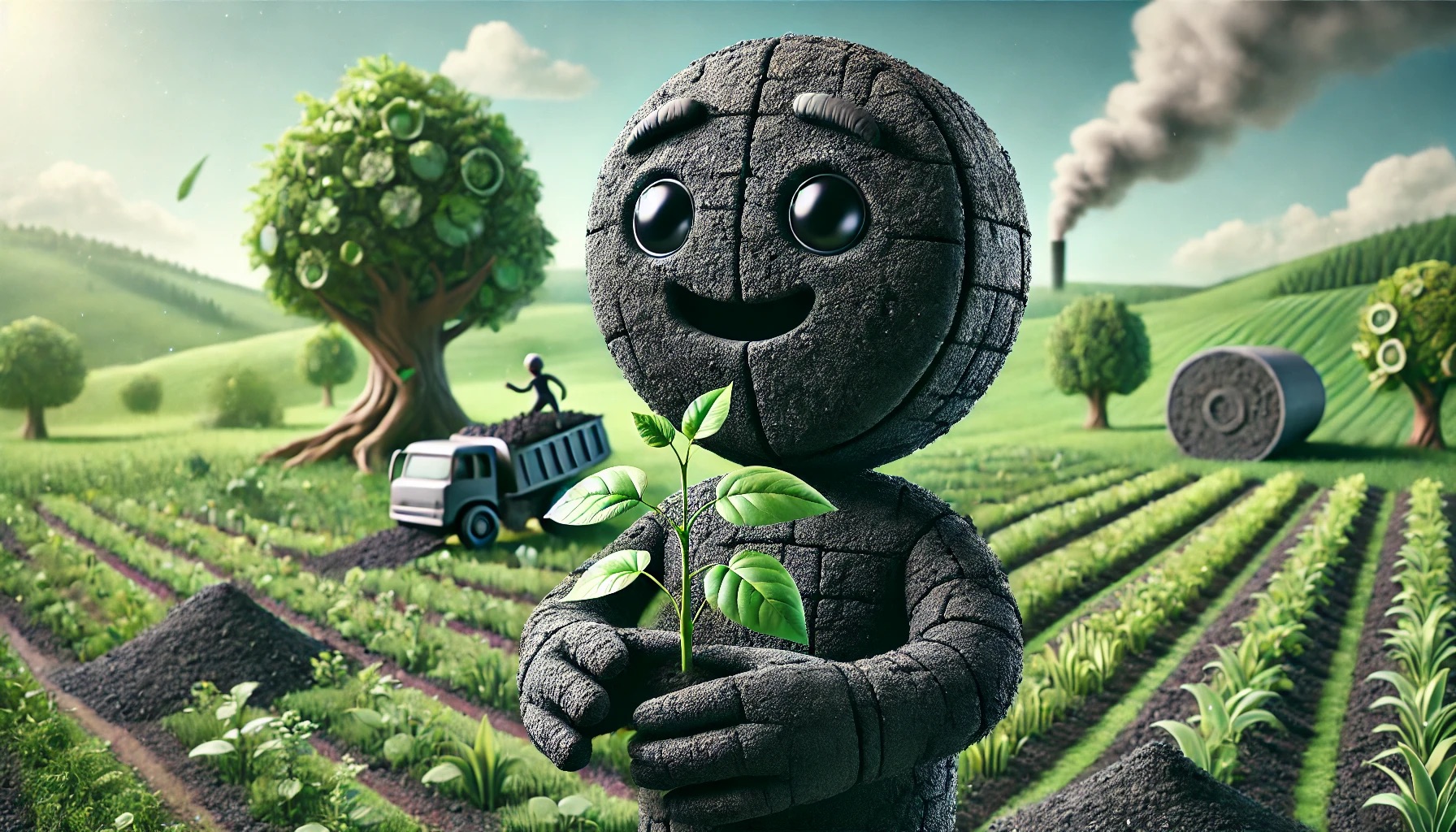
BiocharBiochar is a carbon-rich material created from biomass decomposition in low-oxygen conditions. It has important applications in environmental remediation, soil improvement, agriculture, carbon sequestration, energy storage, and sustainable materials, promoting efficiency and reducing waste in various contexts while addressing climate change challenges. More, a carbon-rich material produced from biomassBiomass is a complex biological organic or non-organic solid product derived from living or recently living organism and available naturally. Various types of wastes such as animal manure, waste paper, sludge and many industrial wastes are also treated as biomass because like natural biomass these More through pyrolysisPyrolysis is a thermochemical process that converts waste biomass into bio-char, bio-oil, and pyro-gas. It offers significant advantages in waste valorization, turning low-value materials into economically valuable resources. Its versatility allows for tailored products based on operational conditions, presenting itself as a cost-effective and efficient More, is increasingly recognized for its potential to combat climate change. It enhances soil health, supports plant growth, and sequesters carbon, making it a valuable tool in sustainable agriculture. However, despite its environmental benefits, large-scale biochar production raises concerns from a legal and ecological standpoint.
A bibliometric analysis conducted between 2018 and 2022 reveals a significant increase in biochar research. Yet, there are inconsistencies in results, particularly regarding its long-term effects on soil and the environment. The study highlights the need for thorough legal regulations governing biochar use to prevent unintended harm to ecosystems.
The potential environmental risks of biochar production are considerable. Large-scale operations could require vast tracts of land—up to 500 million hectares—leading to deforestation, loss of biodiversity, and air pollution. These processes, particularly biomass burning, contribute to global warming and violate international environmental standards like those outlined in REDD+ (Reducing Emissions from Deforestation and Forest Degradation).
In Indonesia, Law No. 32 of 2009 emphasizes environmental protection, mandating severe penalties for activities that degrade air, water, and soil quality. Without robust legal frameworks, biochar production could breach these laws, posing a threat to natural ecosystems and human health.
Thus, future research and detailed regulations are essential to ensure biochar’s sustainable application without violating environmental laws or endangering ecosystems.



Leave a Reply