
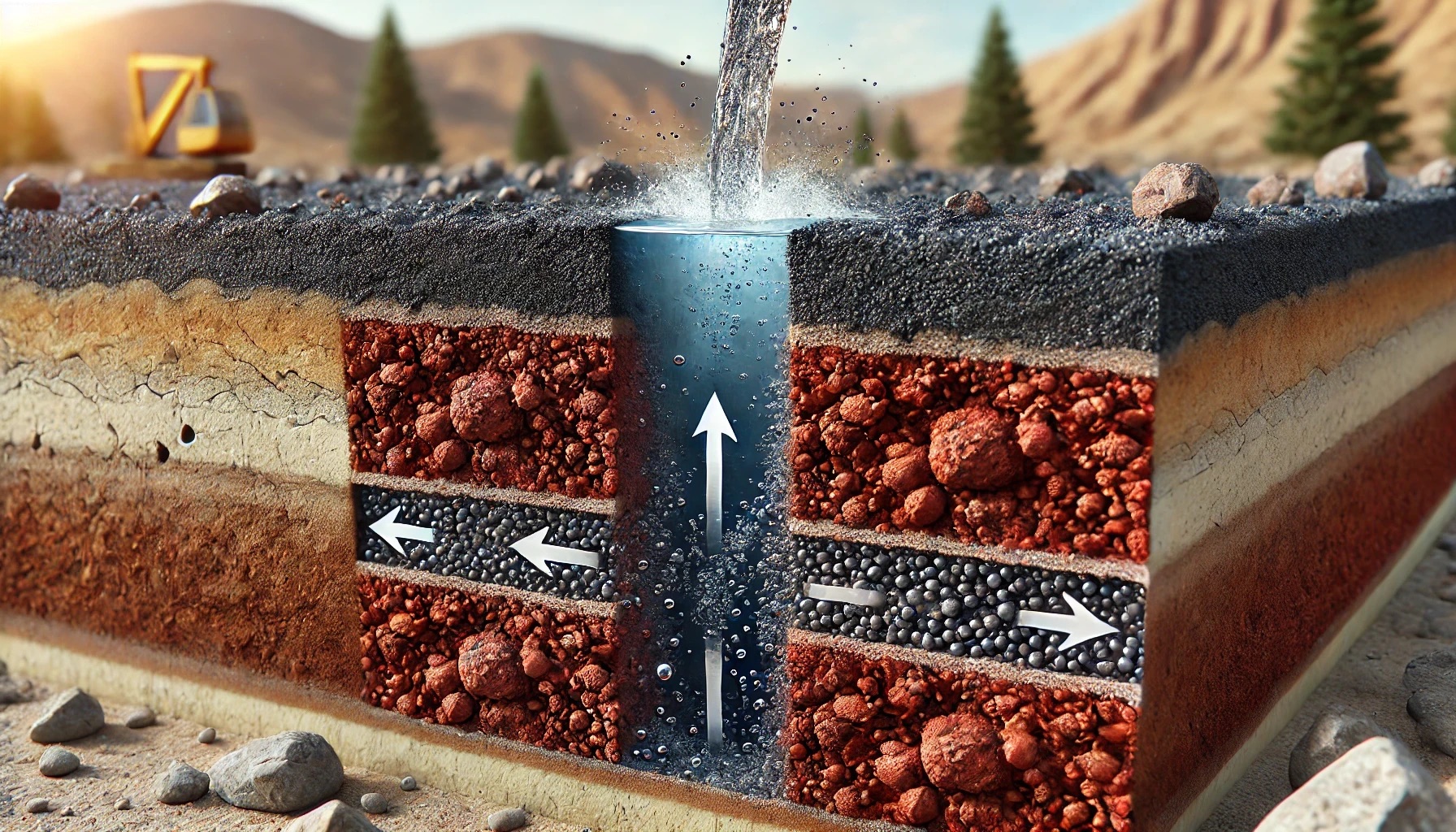

A recent study published in the Chemical Engineering Journal explores the effectiveness of low-cost, iron-modified biochar for removing arsenic (As) from contaminated groundwater. Arsenic, which poses significant health risks, exists in two main forms in water: the more toxic and mobile arsenite (As(III)) and the less harmful arsenate (As(V)). The study highlights the ability of biochar, modified with iron oxides like ferrihydrite (Fh) and goethite (Gt), to adsorb and oxidize arsenic.
Batch experiments demonstrated that ferrihydrite-modified biochar (FhGM) had a maximum adsorption capacity of 45.7 mg/g, significantly higher than goethite-modified biochar (GtGM) at 20.2 mg/g. Furthermore, introducing hydrogen peroxide (H2O2) into the system increased the oxidation of As(III) to As(V), with over 90% efficiency in some cases.
Column tests with FhGM showed that even in highly contaminated water (50 mg/L arsenic), the treated effluent met safe drinking water standards, maintaining arsenic levels below 10 µg/L for 21 hours. These findings suggest that iron-modified biochar, especially when combined with H2O2, offers a cost-effective and powerful method for arsenic remediation in groundwater.
This study provides promising insights into using biochar as an accessible and environmentally friendly solution for regions affected by arsenic contamination, especially those with limited resources for advanced water treatment technologies.



Leave a Reply