
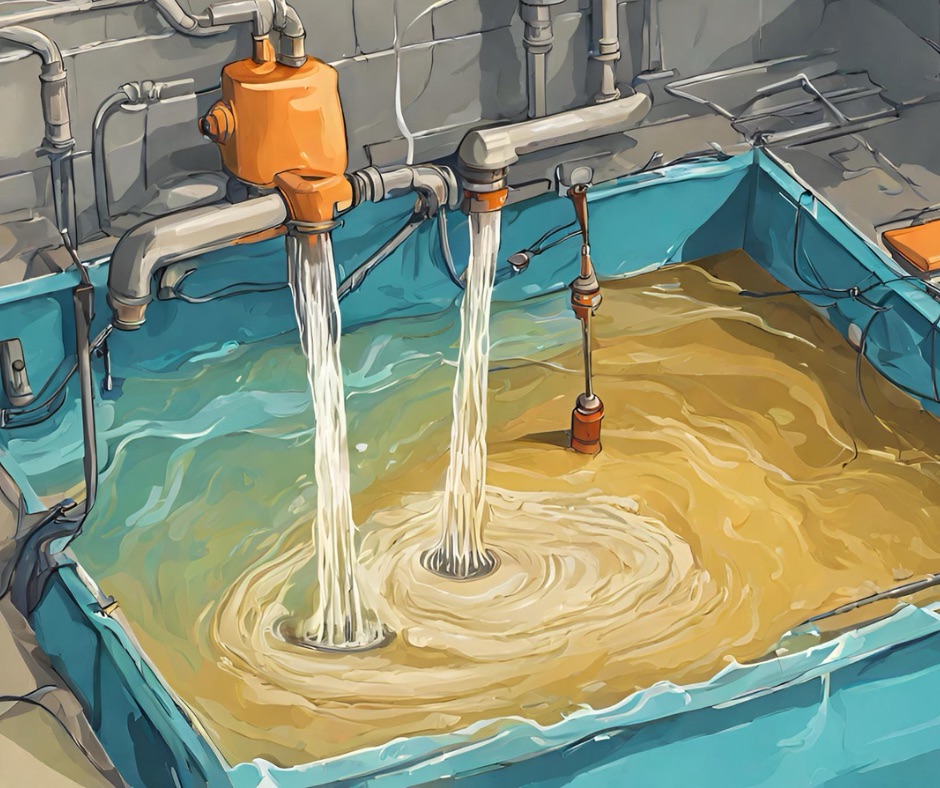

Lignocellulosic biomassBiomass is a complex biological organic or non-organic solid product derived from living or recently living organism and available naturally. Various types of wastes such as animal manure, waste paper, sludge and many industrial wastes are also treated as biomass because like natural biomass these More, like agricultural waste and forestry residues, is a perfect starting point for biochar production due to its abundance and eco-friendliness. But how can we make this biochar even more effective for wastewater treatment? Enter iron!
Iron Power
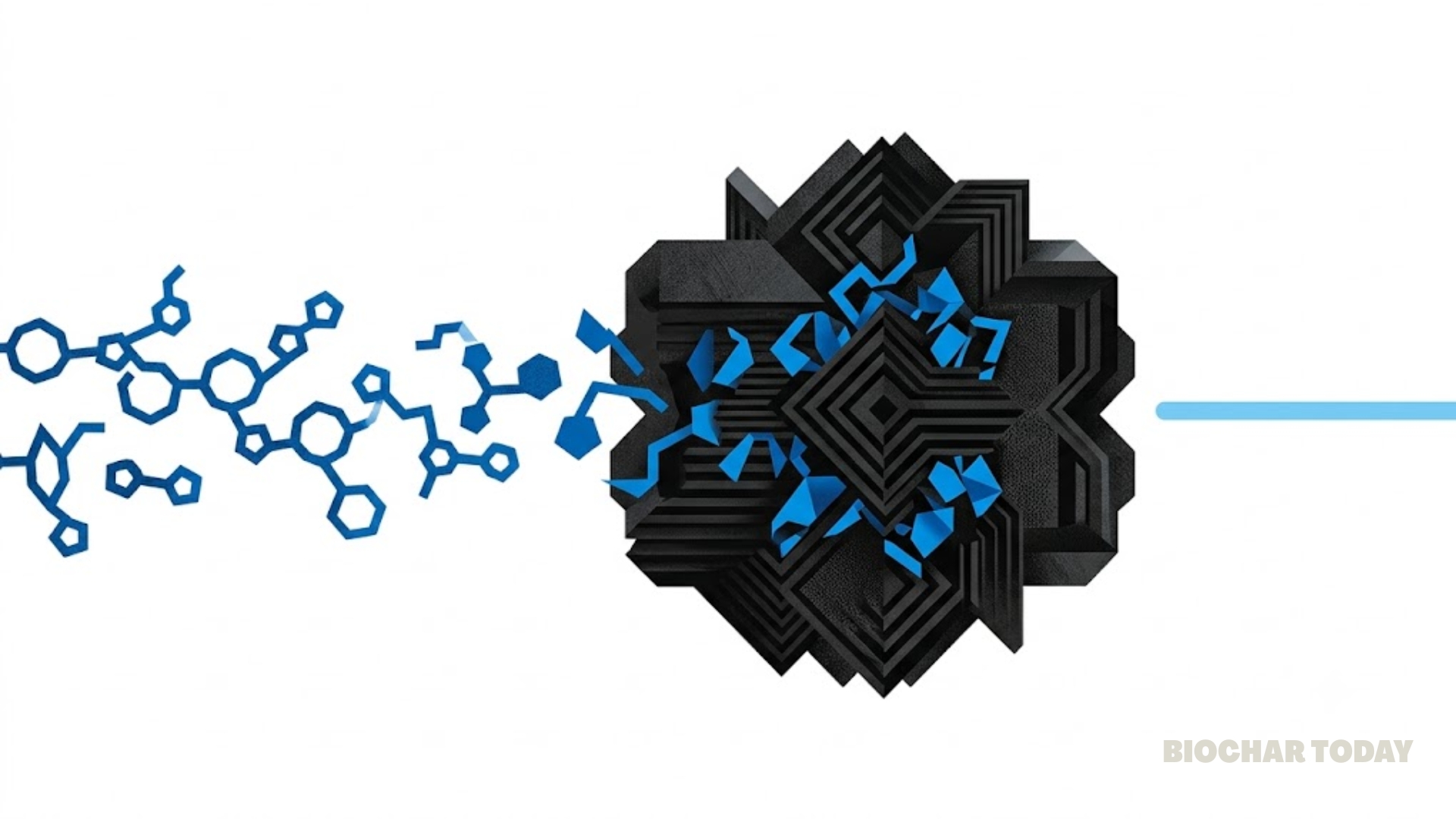
Adding iron to biochar (Fe-L-BC) creates a super adsorbent that grabs hold of various pollutants, from heavy metals like lead and arsenic to organic toxins like dyes and pesticides.
Different types of iron, like oxides and zero-valent iron, work in different ways:some bind pollutants directly, while others generate powerful oxygen radicals that break them down.
This dual approach of adsorption and degradation makes Fe-L-BC a real game-changer in wastewater treatment.
Benefits Beyond Performance
Iron itself is abundant and eco-friendly,making Fe-L-BC a sustainable choice. Biochar can be easily recovered and reused, adding to its long-term value. Fe-L-BC can be tailor-made by choosing the right iron type and biochar source, optimizing its performance for specific pollutants.
Looking Forward:
More research is needed to understand how different Fe-L-BC types handle various pollutants and environmental conditions. Real-world testing in large-scale water treatment plants is crucial for bringing this technology to the mainstream.


Leave a Reply