
Alawa, et al (2024) A Review on Utilization Potential of Functionalized BiocharBiochar is a carbon-rich material created from biomass decomposition in low-oxygen conditions. It has important applications in environmental remediation, soil improvement, agriculture, carbon sequestration, energy storage, and sustainable materials, promoting efficiency and reducing waste in various contexts while addressing climate change challenges. More for the Removal of Antibiotics from Water. Environmental Advances. https://doi.org/10.1016/j.envadv.2024.100571
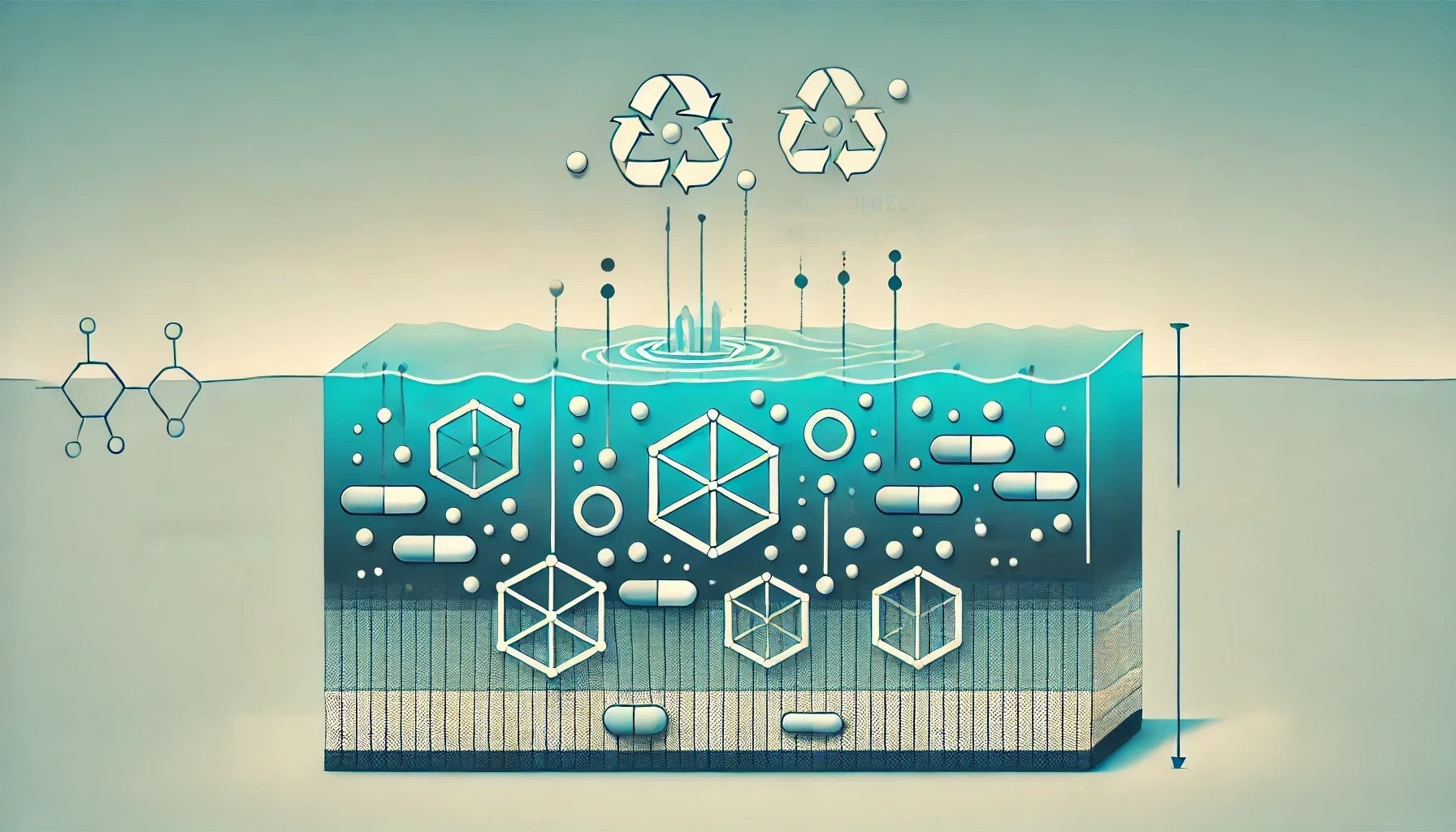
Antibiotic contamination in water is a growing environmental challenge due to their persistence and potential to foster antimicrobial resistance. Traditional methods like lime softening and reverse osmosis are either inefficient or too costly for large-scale use. Recently, scientists have focused on biochar, a carbon-rich material obtained from biomassBiomass is a complex biological organic or non-organic solid product derived from living or recently living organism and available naturally. Various types of wastes such as animal manure, waste paper, sludge and many industrial wastes are also treated as biomass because like natural biomass these More, as a promising solution for adsorbing these contaminants from water. Functionalized biochar, enhanced through various physical and chemical modifications, significantly improves its adsorption efficiency.
Functionalization techniques include altering the biochar’s pore volume, surface morphology, and chemical properties to increase its adsorption capacity. Methods such as activation with air, CO2, or steam, and chemical treatments using acids or bases, enhance biochar’s ability to bind with antibiotic molecules. For instance, treating biochar with H3PO4 can increase its surface area and porosityPorosity of biochar is a key factor in its effectiveness as a soil amendment and its ability to retain water and nutrients. Biochar’s porosity is influenced by feedstock type and pyrolysis temperature, and it plays a crucial role in microbial activity and overall soil health. Biochar More, improving its capacity to remove antibiotics like ciprofloxacin from water.
This review explores the mechanisms of antibiotic adsorption onto functionalized biochar, emphasizing interactions like π-π bonding, hydrogen bonding, and electrostatic attractions. It also highlights the cost-effectiveness and environmental benefits of using agricultural waste to produce biochar. By integrating functionalized biochar into water treatment processes, we can create a more sustainable and efficient method for mitigating antibiotic pollution and its associated risks, ultimately contributing to the global effort to combat antimicrobial resistance.


![Eucalyptus Wood Waste-Derived Biochar Achieves a Ninety-Eight Percent Removal Efficiency for Benzo[ghi]perylene in Vehicle-Wash Wastewater](https://biochartoday.com/wp-content/uploads/2026/10/SCIENCE-BLOGS-2026-2026-10-19T160523.703.jpg)


Leave a Reply