
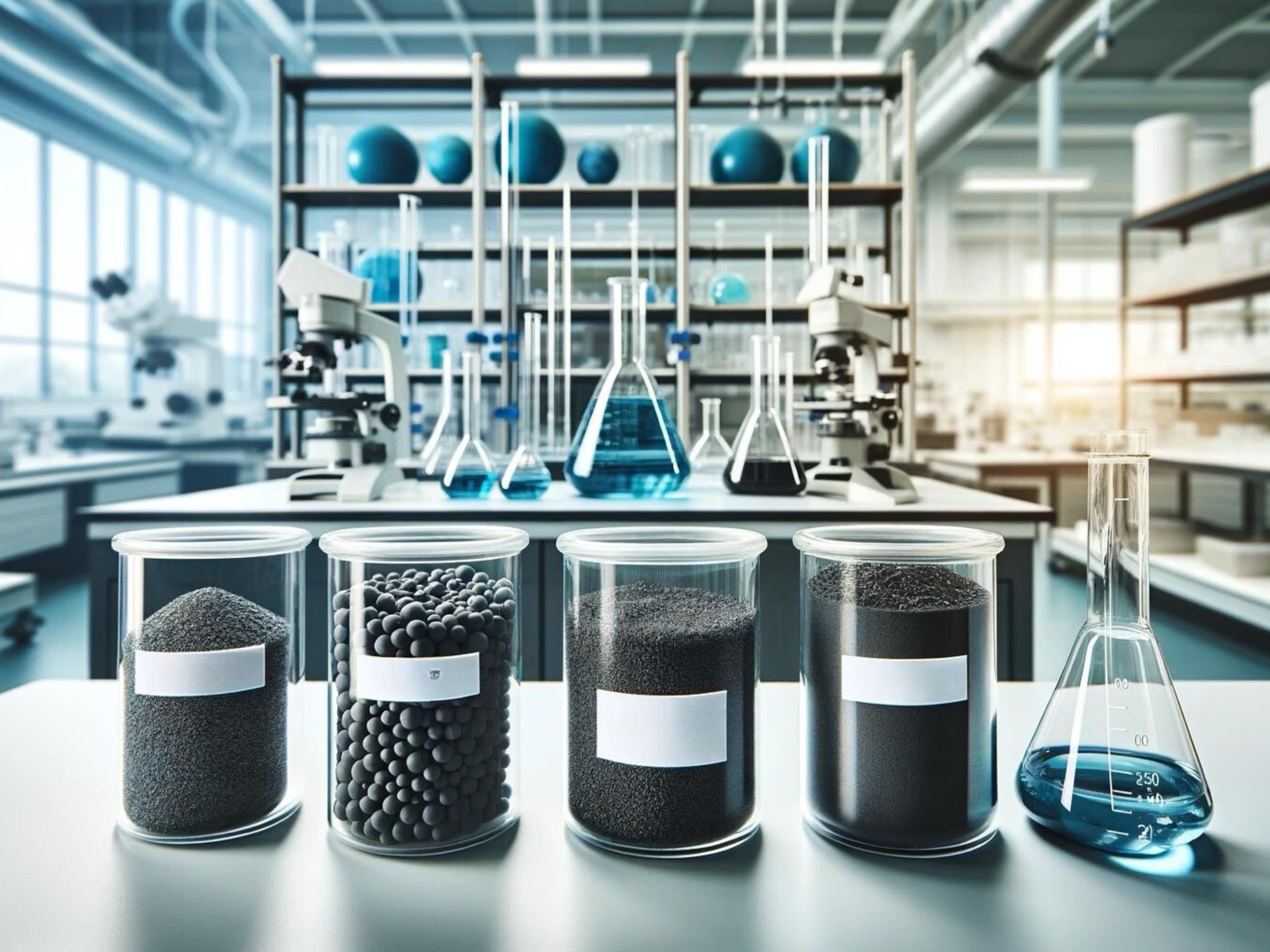

Researchers have developed three distinct amorphous FeOOH biochar (AF-BC) composites, offering a promising solution to the problem of phosphorus (P) loss from agricultural runoff. This breakthrough addresses the urgent need to manage P resources, which are crucial for agriculture but are non-renewable and rapidly depleting.
The study revealed that these composites possess excellent P adsorption capabilities, with the S-AF type showing the most remarkable performance, capable of adsorbing up to 276.40 mg/g of P. This high efficiency is attributed to its larger surface area and higher concentration of basic groups, which enhance its adsorption capacity.
The synthesis of these composites involves the use of biochar (BC), a carbon-rich product derived from biomassBiomass is a complex biological organic or non-organic solid product derived from living or recently living organism and available naturally. Various types of wastes such as animal manure, waste paper, sludge and many industrial wastes are also treated as biomass because like natural biomass these More pyrolysisPyrolysis is a thermochemical process that converts waste biomass into bio-char, bio-oil, and pyro-gas. It offers significant advantages in waste valorization, turning low-value materials into economically valuable resources. Its versatility allows for tailored products based on operational conditions, presenting itself as a cost-effective and efficient More. BC is recognized for its large specific surface area and robust pore structure, which make it an ideal support material for the AF nanoparticles. This structure not only promotes more effective P adsorption but also prevents the nanoparticles from agglomerating, thereby maintaining their functionality.
Moreover, the composites are proven to be safe and beneficial for agricultural use. Tests conducted with plant cultures demonstrated that these materials support seed germination and growth, indicating their potential dual function as slow-release P fertilizers and soil conditioners.
This innovation not only captures and recycles phosphorus effectively but also contributes to reducing the eutrophication of water bodies—a phenomenon linked to excessive nutrient runoff leading to algal blooms and oxygen depletion in aquatic environments.
The creation of AF-BC composites represents a significant step forward in sustainable agriculture and environmental protection, offering a dual benefit of enhancing soil quality and conserving valuable phosphorus resources.



Leave a Reply