

Rehman, H., Rehman, Z., Das, T.K. et al. Toxicity evaluation and degradation of cypermethrin-contaminated soil using biocharBiochar is a carbon-rich material created from biomass decomposition in low-oxygen conditions. It has important applications in environmental remediation, soil improvement, agriculture, carbon sequestration, energy storage, and sustainable materials, promoting efficiency and reducing waste in various contexts while addressing climate change challenges. More and Bacillus cereus amendments. Sci Rep14, 29892 (2024). https://doi.org/10.1038/s41598-024-81588-4
Cypermethrin, a widely used pesticide, often lingers in soils, harming microbial activity and reducing soil quality. A recent study explored how biochar and the bacterium Bacillus cereus can improve soil health by mitigating cypermethrin contamination.
The research evaluated how different concentrations of cypermethrin affected soil properties over 90 days. High concentrations of the pesticide significantly reduced soil microbial biomassBiomass is a complex biological organic or non-organic solid product derived from living or recently living organism and available naturally. Various types of wastes such as animal manure, waste paper, sludge and many industrial wastes are also treated as biomass because like natural biomass these More, respiration rates, and enzyme activity, indicating stress. However, biochar and Bacillus cereus, used individually and together, significantly improved soil conditions.
The combined treatment of biochar and bacteria proved most effective, degrading 85% of cypermethrin within 45 days. This treatment raised soil pHpH is a measure of how acidic or alkaline a substance is. A pH of 7 is neutral, while lower pH values indicate acidity and higher values indicate alkalinity. Biochars are normally alkaline and can influence soil pH, often increasing it, which can be beneficial More from 5.9 to a neutral 7.1, reduced electrical conductivity, and increased organic carbon content and cation exchange capacity. Additionally, microbial activity indicators, such as respiration and biomass carbon, showed marked improvement, suggesting enhanced soil vitality.
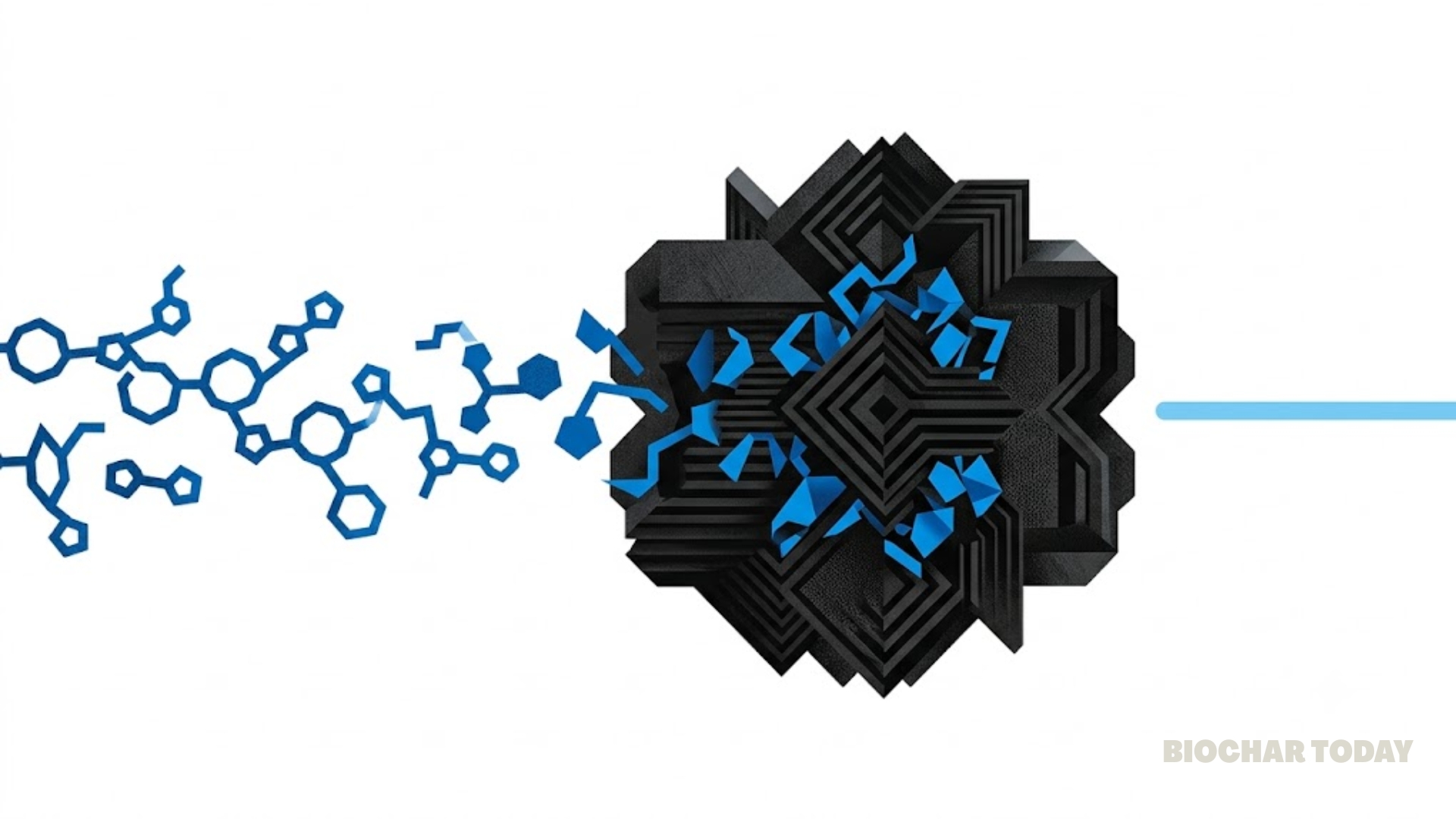
Soil enzyme activity also benefited, though dehydrogenase activity decreased slightly. The study revealed that biochar’s porous structure and chemical properties complement the microbial degradation capabilities of Bacillus cereus, creating a synergy that enhances soil resilience against pesticide stress.
These findings suggest that integrating biochar and microbial amendments is a sustainable strategy to restore soil health in pesticide-contaminated areas. This approach offers a practical solution for maintaining agricultural productivity while protecting environmental health.



Leave a Reply