
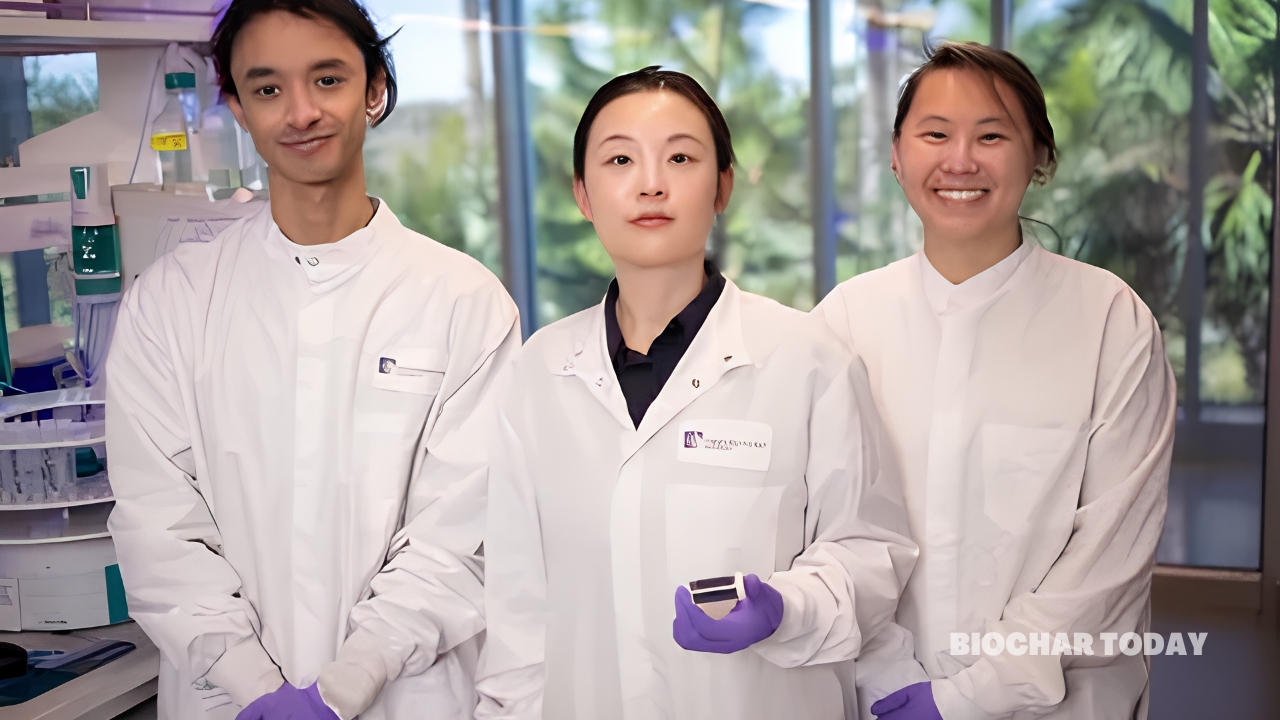
Researchers at Florida Polytechnic University have launched a project to mitigate harmful algae blooms by addressing excess nutrient levels in inland water bodies. Supported by a $300,000 grant from the Florida Department of Environmental Protection, the initiative focuses on the Se7en Wetlands park in the City of Lakeland, United States. Dr. Yudi Wu, an assistant professor of civil and environmental engineering, is leading the two-year study in collaboration with Florida A&M University. The project aims to restore ecological balance to a site that historically served as a phosphate mine and currently processes millions of gallons of treated wastewater daily.
The primary challenge addressed by this research is eutrophication, a condition where water becomes overloaded with nutrients, specifically nitrogen and phosphorus. In Florida, these elements act as catalysts for rapid, harmful algae growth that threatens public health, drinking water supplies, and the local tourism economy. At the Se7en Wetlands site, the legacy of phosphate mining has resulted in a disproportionately high concentration of phosphorus relative to nitrogen. Conventional water treatment methods often struggle to cost-effectively manage these specific nutrient ratios in large-scale, open-water ecosystems.
The solution involves the deployment of an innovative biochar-based filtration system designed for aquatic environments. The research team is utilizing floating devices equipped with submerged columns, ranging from three to five feet in length. These columns are filled with a composite material consisting of limestone and engineered biocharBiochar is a carbon-rich material created from biomass decomposition in low-oxygen conditions. It has important applications in environmental remediation, soil improvement, agriculture, carbon sequestration, energy storage, and sustainable materials, promoting efficiency and reducing waste in various contexts while addressing climate change challenges. More. This biochar-based medium is designed to absorb phosphorus while simultaneously facilitating the formation and release of nitrogen gas. By leveraging the high surface area and tailored chemical properties of the biochar, the system provides a sustainable, charcoal-like sorbent to capture and remove the catalysts of algae growth.
While the project is in its early stages, the anticipated outcomes include a measurable reduction in nitrogen and phosphorus concentrations at Se7en Wetlands and the prevention of seasonal algae buildups. Beyond ecological restoration, the project serves as a critical professional development platform for undergraduate researchers at Florida Poly. The success of this pilot could establish a scalable model for nutrient remediation across other Florida water bodies. Extensive water quality analysis will follow the deployment to quantify the efficacy of the biochar-limestone composite in complex wetland environments.




Leave a Reply