
Costa, et al (2024) How much biocharBiochar is a carbon-rich material created from biomass decomposition in low-oxygen conditions. It has important applications in environmental remediation, soil improvement, agriculture, carbon sequestration, energy storage, and sustainable materials, promoting efficiency and reducing waste in various contexts while addressing climate change challenges. More is safe? Exploring potential ecotoxicological consequences for soil invertebrates and plants. Applied Soil Ecology. https://doi.org/10.1016/j.apsoil.2024.105552
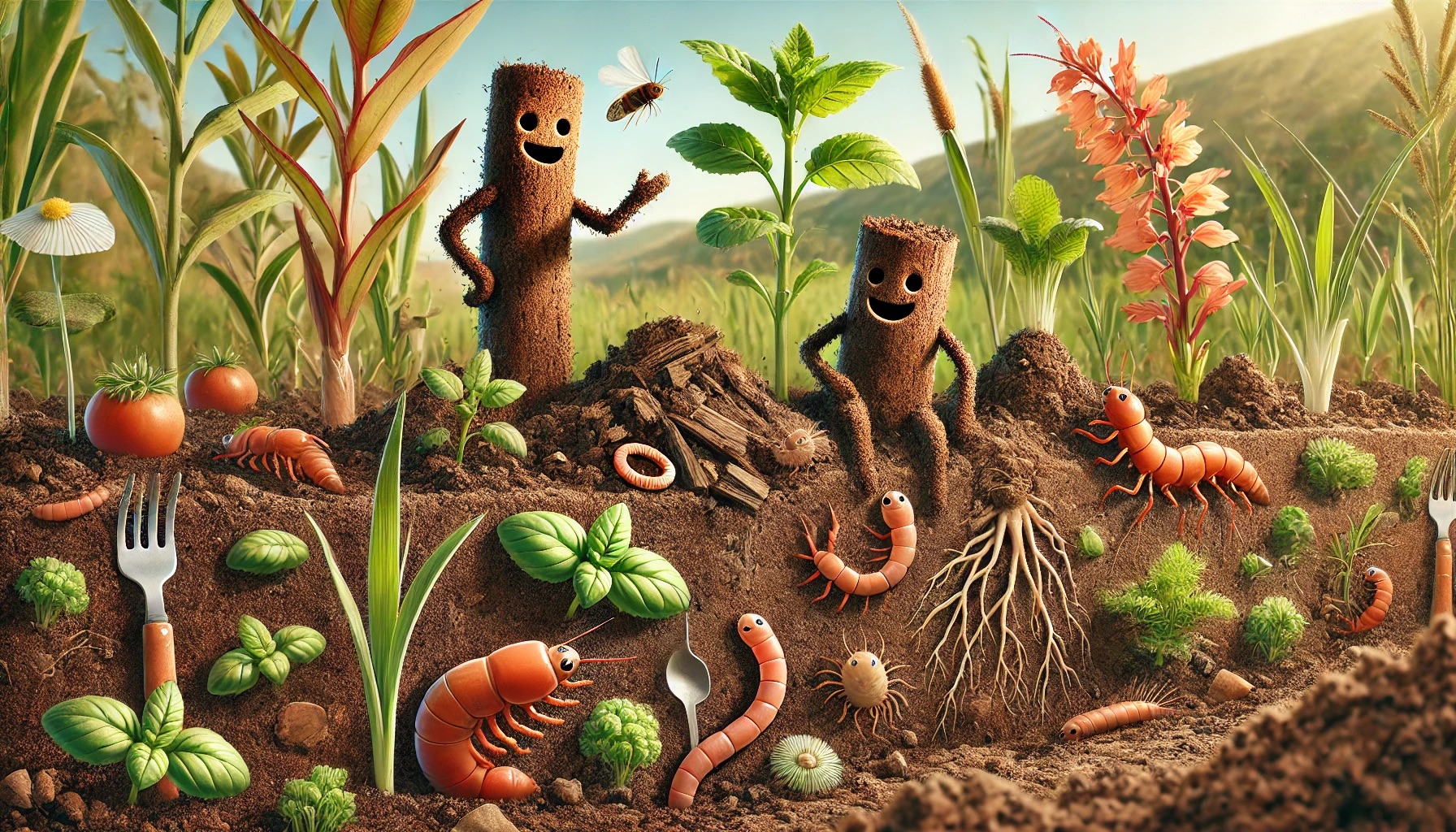
A recent study published in Applied Soil Ecology examines the effects of biochar on soil health, specifically its impact on soil invertebrates and plants. Researchers from several institutions investigated the ecotoxicological effects of incorporating sugarcane straw biochar into clay and sandy soils. They assessed three biochar dosages (2%, 5%, and 10%) and their effects on four species: the springtails Sinella curviseta and Proisotoma minuta, the worm Enchytraeus crypticus, and the plant Eruca sativa L.
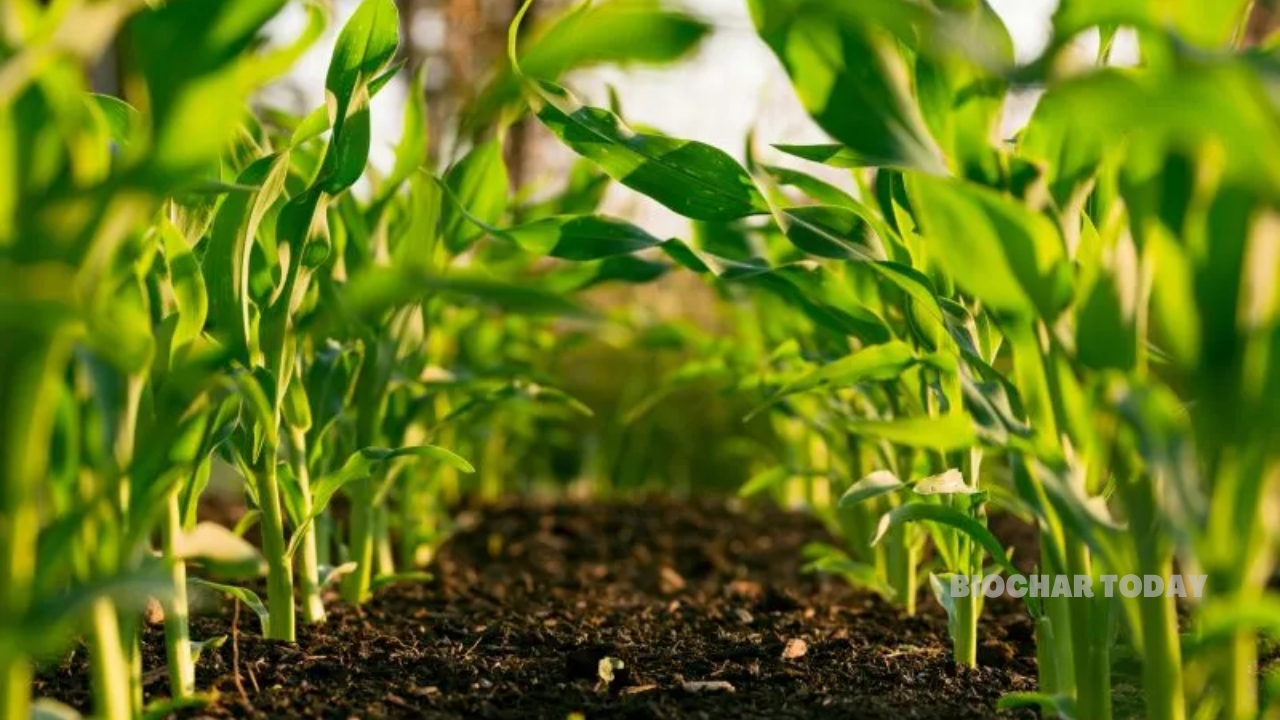
The study found that biochar generally promotes plant growth, increasing biomassBiomass is a complex biological organic or non-organic solid product derived from living or recently living organism and available naturally. Various types of wastes such as animal manure, waste paper, sludge and many industrial wastes are also treated as biomass because like natural biomass these More, and shoot and root length in E. sativa, with more pronounced effects in clay soil. However, its impact on soil invertebrates was more complex. While biochar enhanced the survival and reproduction of E. crypticus, especially in sandy soil, it negatively affected the springtails, particularly Proisotoma minuta, which showed reduced survival and reproduction rates at certain dosages in both soil types. The survival of S. curviseta was also reduced in clay soil.
These findings highlight the dual nature of biochar: it can improve soil health and support ecosystem resilience, particularly for plants and some invertebrates, but it can also pose risks to certain soil species at specific concentrations. The study underscores the importance of considering biochar’s dosage and its varied effects on different soil organisms to ensure safe and effective application. This research fills a critical gap in ecotoxicology, guiding the safe use of biochar to optimize its benefits while minimizing potential ecological risks.



Leave a Reply