
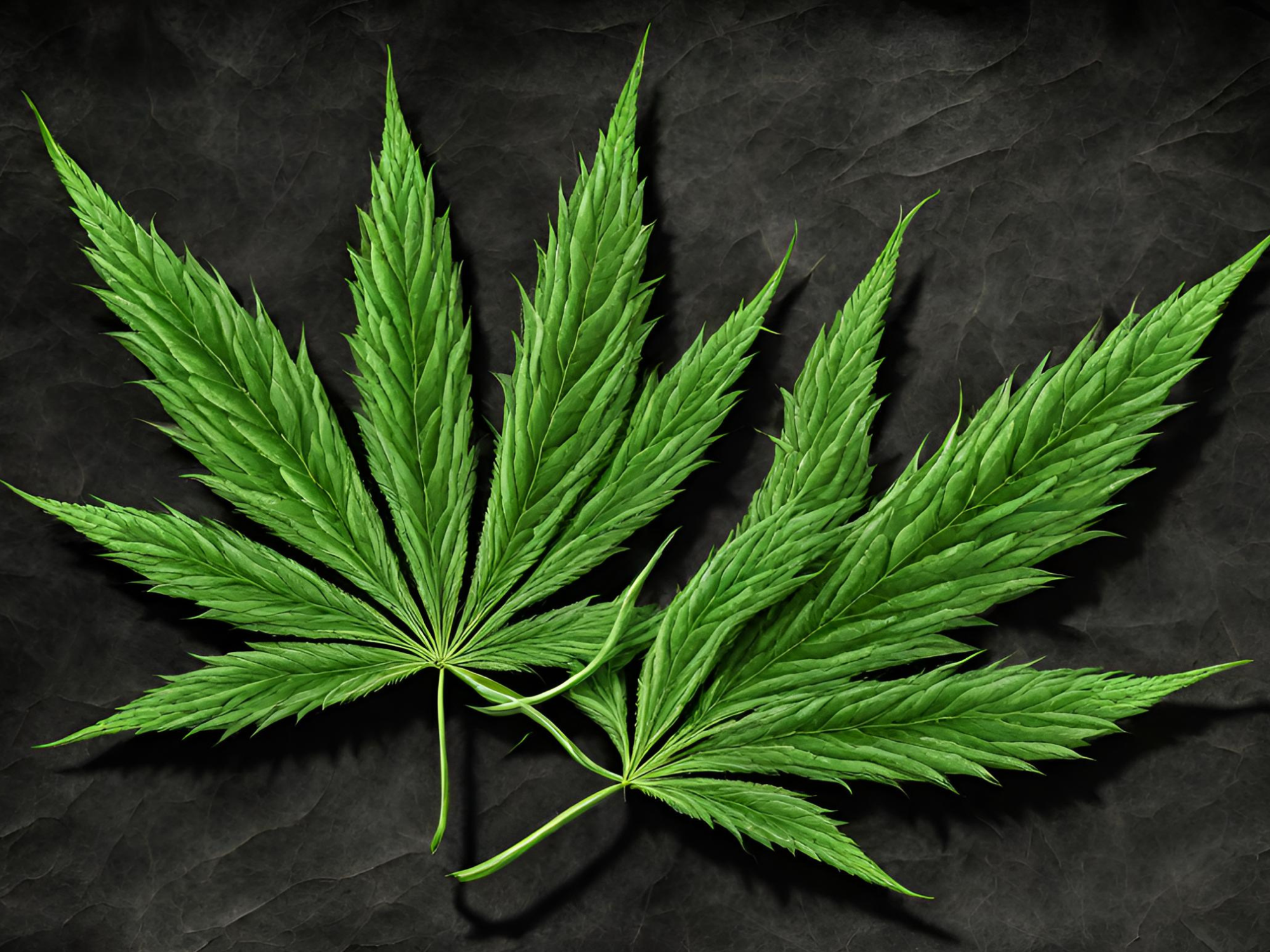
Garau, Cascio, et al (2024) Using biocharBiochar is a carbon-rich material created from biomass decomposition in low-oxygen conditions. It has important applications in environmental remediation, soil improvement, agriculture, carbon sequestration, energy storage, and sustainable materials, promoting efficiency and reducing waste in various contexts while addressing climate change challenges. More for environmental recovery and boosting the yield of valuable non-food crops: The case of hemp in a soil contaminated by potentially toxic elements (PTEs). Heliyon. https://doi.org/10.1016/j.heliyon.2024.e28050
The integration of biochar and hemp in assisted phytoremediationThis is a technique that uses plants to clean up contaminated soil or water. Biochar can enhance phytoremediation by improving soil conditions and promoting plant growth, allowing plants to absorb and break down pollutants more effectively. More programs presents a promising solution for soils contaminated with potentially toxic elements (PTEs), such as antimony (Sb), zinc (Zn), lead (Pb), and cadmium (Cd). In a recent study, conducted to evaluate the efficacy of softwood-derived biochar in enhancing hemp growth and promoting phytoremediation in PTE-contaminated soil, significant findings emerged.
The addition of biochar at a rate of 3% (w/w) effectively reduced the soluble Sb in the soil while increasing the residual PTEs. This amendment not only enhanced the α-diversity of the soil bacterial community but also stimulated soil microbial activity. Notably, biochar significantly increased shoot biomassBiomass is a complex biological organic or non-organic solid product derived from living or recently living organism and available naturally. Various types of wastes such as animal manure, waste paper, sludge and many industrial wastes are also treated as biomass because like natural biomass these More and seed number in hemp plants, demonstrating its potential to boost crop yield. Furthermore, biochar facilitated the phytostabilization of Cd, Pb, and Zn in hemp roots, while also promoting the accumulation of Sb and PTEs in hemp shoots.
The study underscores the multifaceted benefits of biochar in remediation efforts, showcasing its ability to improve soil quality, microbial activity, and plant growth in PTE-contaminated environments. Moreover, hemp emerges as a resilient and versatile candidate for phytoremediation, capable of thriving in diverse soil conditions and effectively sequestering PTEs. By harnessing the synergistic interaction between biochar and hemp, stakeholders can not only mitigate environmental pollution but also generate valuable biomass for economic and sustainable purposes, such as green energy production.
Overall, these findings contribute to the growing body of knowledge on gentle remediation options and highlight the potential of biochar-amended phytoremediation strategies in addressing soil contamination challenges. Moving forward, further research and field trials are warranted to optimize the application of biochar and hemp in real-world remediation scenarios, paving the way for greener and more resilient ecosystems.


Leave a Reply