
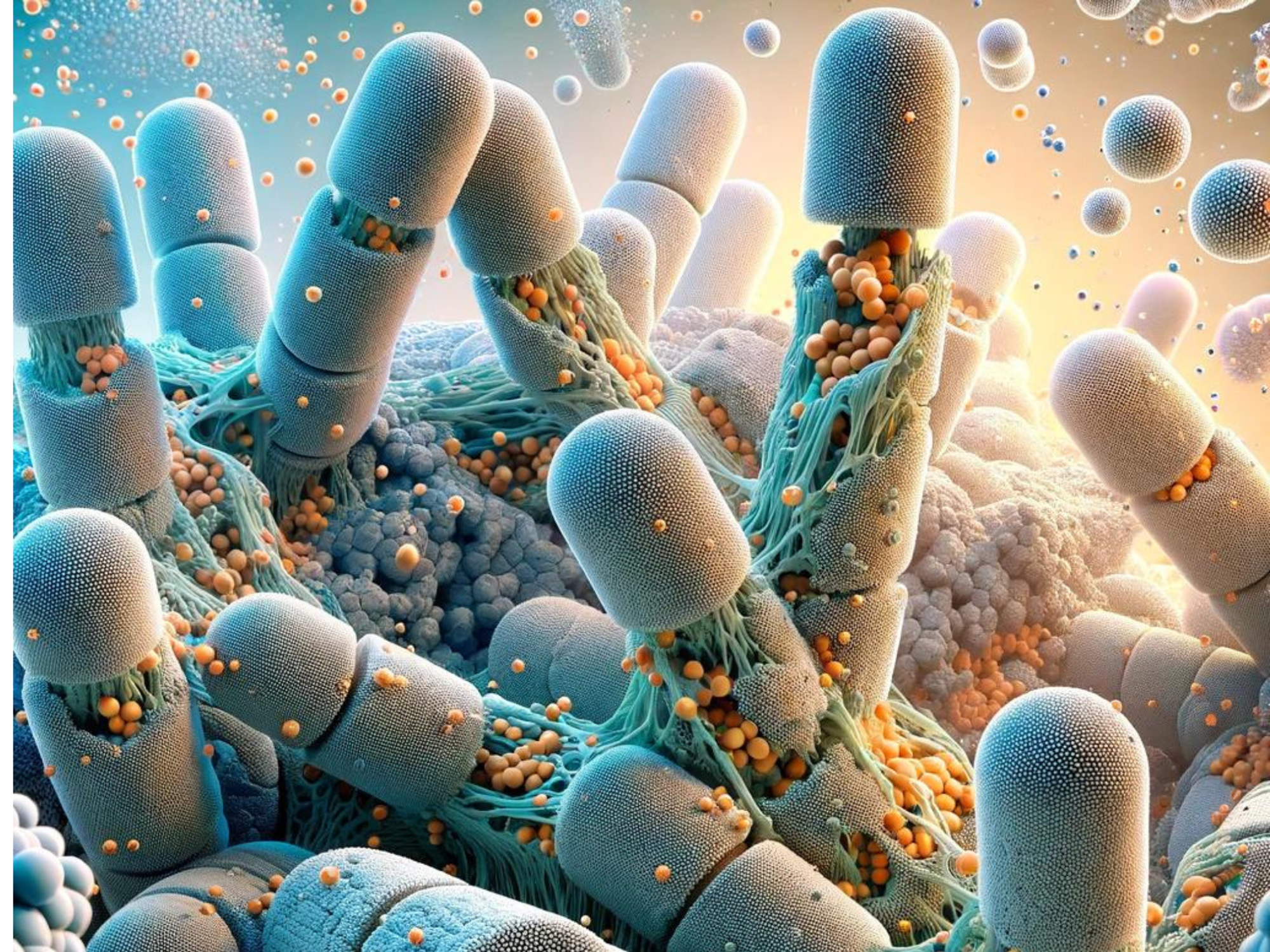
Li, Xie, et al (2024) Pore size and organic carbon of biocharBiochar is a carbon-rich material created from biomass decomposition in low-oxygen conditions. It has important applications in environmental remediation, soil improvement, agriculture, carbon sequestration, energy storage, and sustainable materials, promoting efficiency and reducing waste in various contexts while addressing climate change challenges. More limit the carbon sequestration potential of Bacillus cereus SR. Ecotoxicology and Environmental Safety. https://doi.org/10.1016/j.ecoenv.2024.116229
As the world grapples with the escalating crisis of global warming, innovative solutions for carbon sequestration are more crucial than ever. A promising avenue of research has focused on the utilization of biochar, a carbon-rich material produced from pyrolyzed biomassBiomass is a complex biological organic or non-organic solid product derived from living or recently living organism and available naturally. Various types of wastes such as animal manure, waste paper, sludge and many industrial wastes are also treated as biomass because like natural biomass these More, as a medium for carbon-fixing bacterial strains. A recent study delves into the symbiotic relationship between Bacillus cereus SR, a carbon-fixing strain, and biochar derived from rice straw, providing insightful revelations into the potential of this combination for enhancing carbon sequestration.
The research highlights how Bacillus cereus SR thrives on biochar by utilizing its organic carbon compositions. Notably, the strain’s Rubisco enzyme plays a pivotal role in increasing the organic carbon fractions within the biochar, thus boosting its carbon sequestration capability. However, the study also brings to light how the physical properties of biochar, such as pore size and structure, pose limitations to the full potential of the carbon-fixing strain.
Through detailed analysis, it was found that Bacillus cereus SR exhibits a higher carbon sequestration potential on biochar pyrolyzed at 500 °C compared to 300 °C. This distinction underscores the significant influence of biochar’s physical structure on the Rubisco enzyme activity and, by extension, on the strain’s overall carbon sequestration performance.
This exploration into the interactions between Bacillus cereus SR and biochar not only expands our understanding of biochar’s role in carbon sequestration but also sets the stage for further research. Optimizing biochar’s properties to maximize the efficacy of carbon-fixing strains could prove to be a pivotal strategy in the fight against global warming, offering a sustainable path towards mitigating the accumulation of greenhouse gases in the atmosphere.




Leave a Reply