
Sokołowski, et al (2024) BiocharBiochar is a carbon-rich material created from biomass decomposition in low-oxygen conditions. It has important applications in environmental remediation, soil improvement, agriculture, carbon sequestration, energy storage, and sustainable materials, promoting efficiency and reducing waste in various contexts while addressing climate change challenges. More amendment affects the fate of phthalic acid esters in the soil-vegetable system. Journal of Environmental Management. https://doi.org/10.1016/j.jenvman.2024.123165
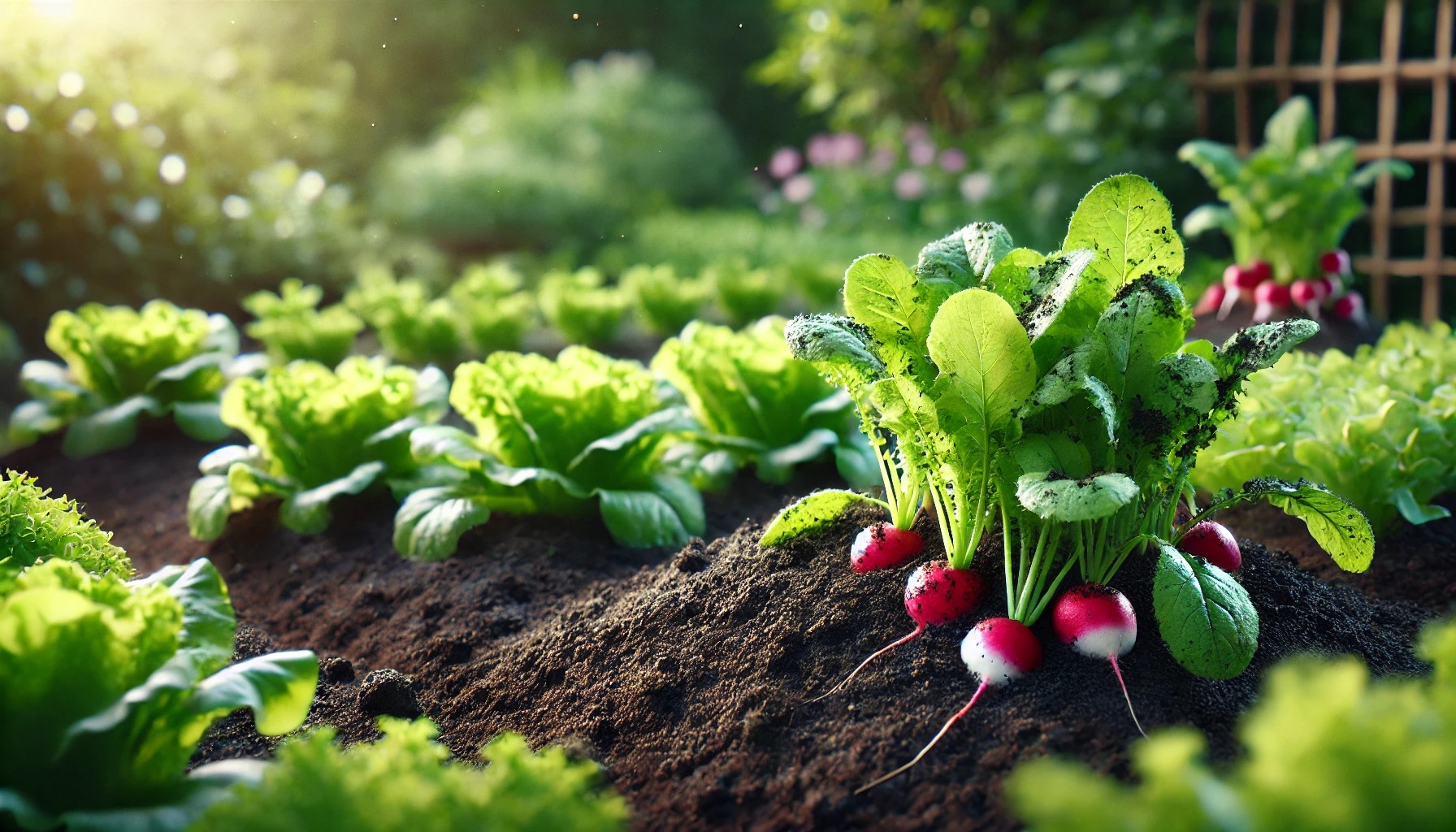
Phthalic acid esters (PAEs), commonly used as plasticizers, are a growing environmental concern due to their widespread presence in soil and potential health risks. These compounds, classified as endocrine disruptors, can leach from plastic products, contaminating crops and posing health risks when consumed. A recent study explores the effectiveness of biochar in reducing PAE bioavailability in soil-vegetable systems, focusing on lettuce and radish.
Biochar, derived from carbon-rich materials, offers unique properties like high porosityPorosity of biochar is a key factor in its effectiveness as a soil amendment and its ability to retain water and nutrients. Biochar’s porosity is influenced by feedstock type and pyrolysis temperature, and it plays a crucial role in microbial activity and overall soil health. Biochar More, pHpH is a measure of how acidic or alkaline a substance is. A pH of 7 is neutral, while lower pH values indicate acidity and higher values indicate alkalinity. Biochars are normally alkaline and can influence soil pH, often increasing it, which can be beneficial More alteration, and nutrient retention, making it a promising soil amendmentA soil amendment is any material added to the soil to enhance its physical or chemical properties, improving its suitability for plant growth. Biochar is considered a soil amendment as it can improve soil structure, water retention, nutrient availability, and microbial activity. More. The study compared three types of biochar produced from biogas residues, sunflower pellets, and sewage sludge. Each biochar was tested for its ability to mitigate six PAEs in the soil and their accumulation in vegetable roots and leaves.
Results indicated that biogas-derived biochar significantly reduced DEP, DBP, BBP, and DNOP concentrations in radish roots, improving plant growth. Meanwhile, sunflower-derived biochar showed the most effective PAE reduction in lettuce but increased PAE concentrations in leaves. Sewage sludge-derived biochar enhanced radish leaf mass and reduced lettuce root contaminants. However, some biochars slightly increased soil toxicity, highlighting the need for further safety evaluations.
This research underscores biochar’s potential to enhance soil health and food safety while demonstrating that feedstockFeedstock refers to the raw organic material used to produce biochar. This can include a wide range of materials, such as wood chips, agricultural residues, and animal manure. More type and biochar properties, like pH and porosity, influence outcomes. These findings pave the way for tailored biochar applications to reduce agricultural pollutant risks.



Leave a Reply