
Mon, Toma, & Uena (2024) Combined Effects of Rice Husk BiocharBiochar is a carbon-rich material created from biomass decomposition in low-oxygen conditions. It has important applications in environmental remediation, soil improvement, agriculture, carbon sequestration, energy storage, and sustainable materials, promoting efficiency and reducing waste in various contexts while addressing climate change challenges. More and Organic Manures on Soil Chemical Properties and Greenhouse Gas Emissions from Two Different Paddy Soils. Soil Systems. https://doi.org/10.3390/soilsystems8010032
Rice cultivation plays a crucial role in global food security, particularly in Asian countries where it serves as a staple food for millions. However, the heavy reliance on chemical fertilizers in rice production has raised concerns about environmental sustainability due to nitrogen loss and greenhouse gas emissions. To address these issues, researchers are exploring alternative strategies such as biochar application.
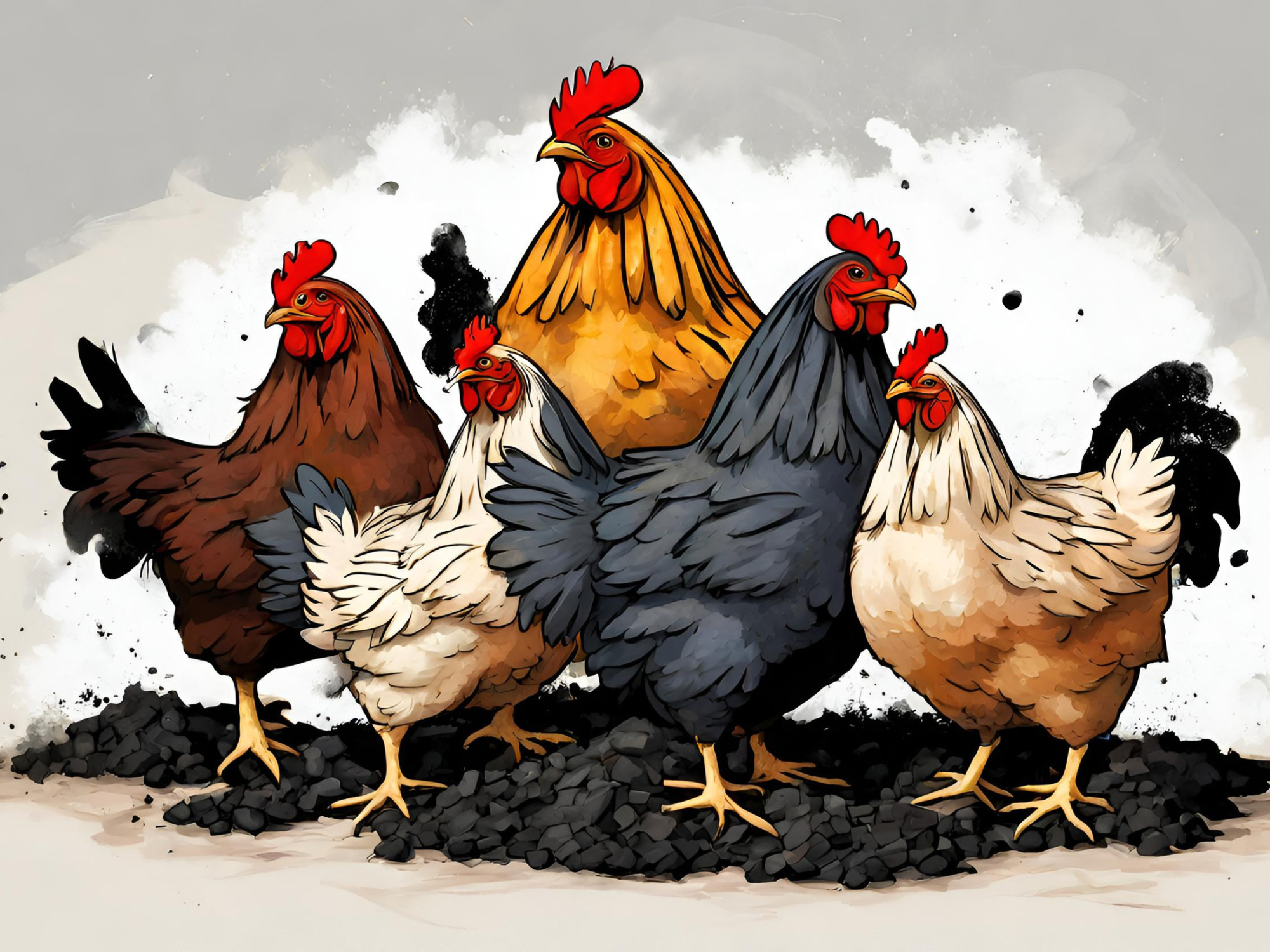
Biochar, derived from rice husks through pyrolysisPyrolysis is a thermochemical process that converts waste biomass into bio-char, bio-oil, and pyro-gas. It offers significant advantages in waste valorization, turning low-value materials into economically valuable resources. Its versatility allows for tailored products based on operational conditions, presenting itself as a cost-effective and efficient More, offers multiple benefits including soil quality improvement and nutrient retention. Additionally, organic manures, like chicken and cow manure, contribute to soil fertility enhancement. However, their combined effects on soil properties and greenhouse gas emissions remain underexplored.
In a recent study, pot experiments were conducted to assess the impact of different combinations of biochar and organic manures on soil chemical properties and greenhouse gas emissions. Results showed that a combination of 5 t ha−1 biochar and chicken manure significantly increased grain yield by enhancing soil nitrogen levels without elevating N2O and CH4 emissions. Furthermore, combined applications of biochar and cow manure led to increased soil available phosphorus, irrespective of soil type.
The study highlights the importance of considering the carbon-to-nitrogen ratio of organic manures in mitigating CH4 fluxes. It also emphasizes the role of soil type in driving greenhouse gas emissions. These findings underscore the potential of biochar and organic manures as sustainable amendments for enhancing rice production while minimizing environmental impact.
Moving forward, further research is warranted to optimize the use of biochar and organic manures in rice cultivation, considering regional variations in livestock production and agricultural practices. By adopting such strategies, the agricultural sector can contribute to both food security and environmental conservation.





Leave a Reply